The opera house, symphony concerts, the radio: musical Turin can be met while strolling in the centre, a few steps from one place to the next. The Teatro Regio, founded in the eighteenth century for the Savoy court, remains the city's main reference for opera; the Conservatorio Giuseppe Verdi continues a tradition of training begun in the nineteenth century. And in the studios and concert halls of Rai there is an important part of the history of Italian broadcasting.
But Turin also has a history of jazz and swing. In the 1930s musicians and enthusiasts met here, and in 1935 Louis Armstrong gave two concerts. After the war the city's jazz scene counted among its leading figures Fred Buscaglione, Gianni Basso and Piero Angela, a pianist before devoting himself to journalism.
You start from the B&B, cross the Po and continue between piazza Castello, via Verdi, via Rossini and piazza Bodoni. It is a route entirely on foot: allow about three hours, including the visit to the Museo della Radio e della Televisione. To see the halls of the theatres and the Conservatorio, however, you need an organised visit, a show or a concert. Before setting off, check the updated access arrangements.
On foot
-
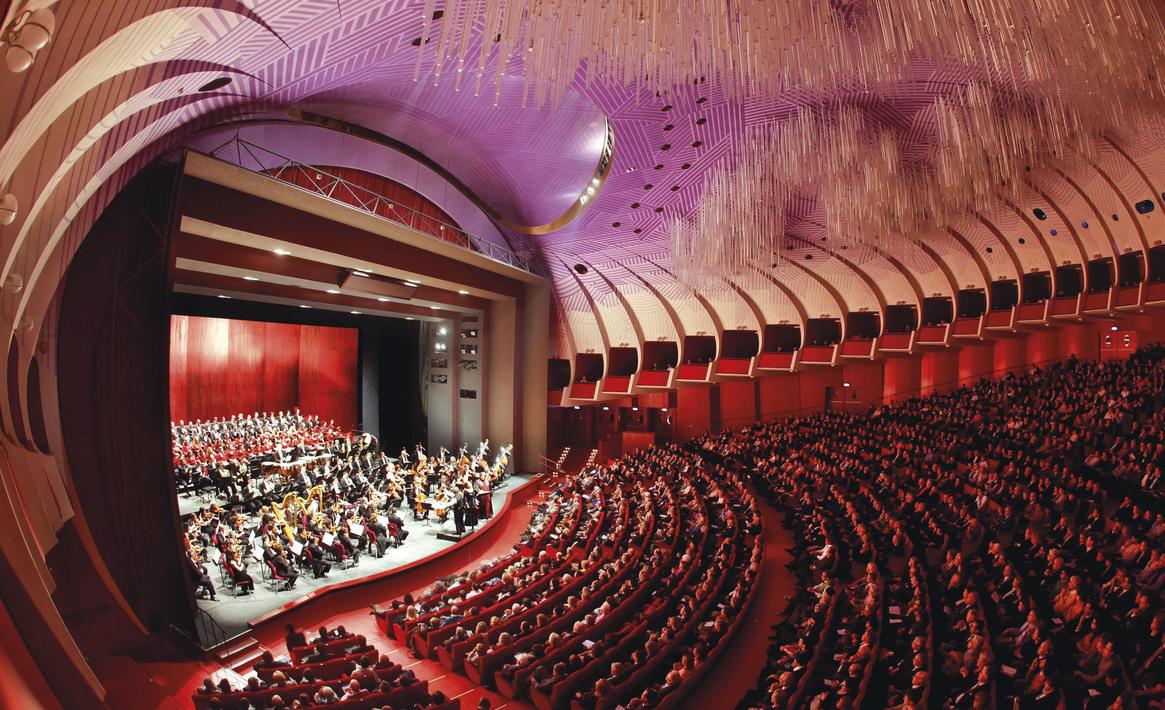 Teatro Regio
The Regio shows you two faces: from piazza Castello, the historic façade and the arcades preserved in the reconstruction; from piazzetta Mollino, the curved walls in brick and glass. The eighteenth-century theatre, inaugurated in 1740 for the Savoy court to a design by Benedetto Alfieri, was devastated by a fire in 1936. Rebuilt to a design by Carlo Mollino, with the collaboration of the engineer Marcello Zavelani Rossi, the new theatre was inaugurated in 1973 with Giuseppe Verdi's I vespri siciliani. The main entrance, in the Galleria Francesco Tamagno, has a bronze gate by Umberto Mastroianni dedicated to music. The great foyer, the staircases and the auditorium designed by Mollino can be visited during performances or guided tours. The Regio hosts opera, ballet, symphonic and choral concerts.
-
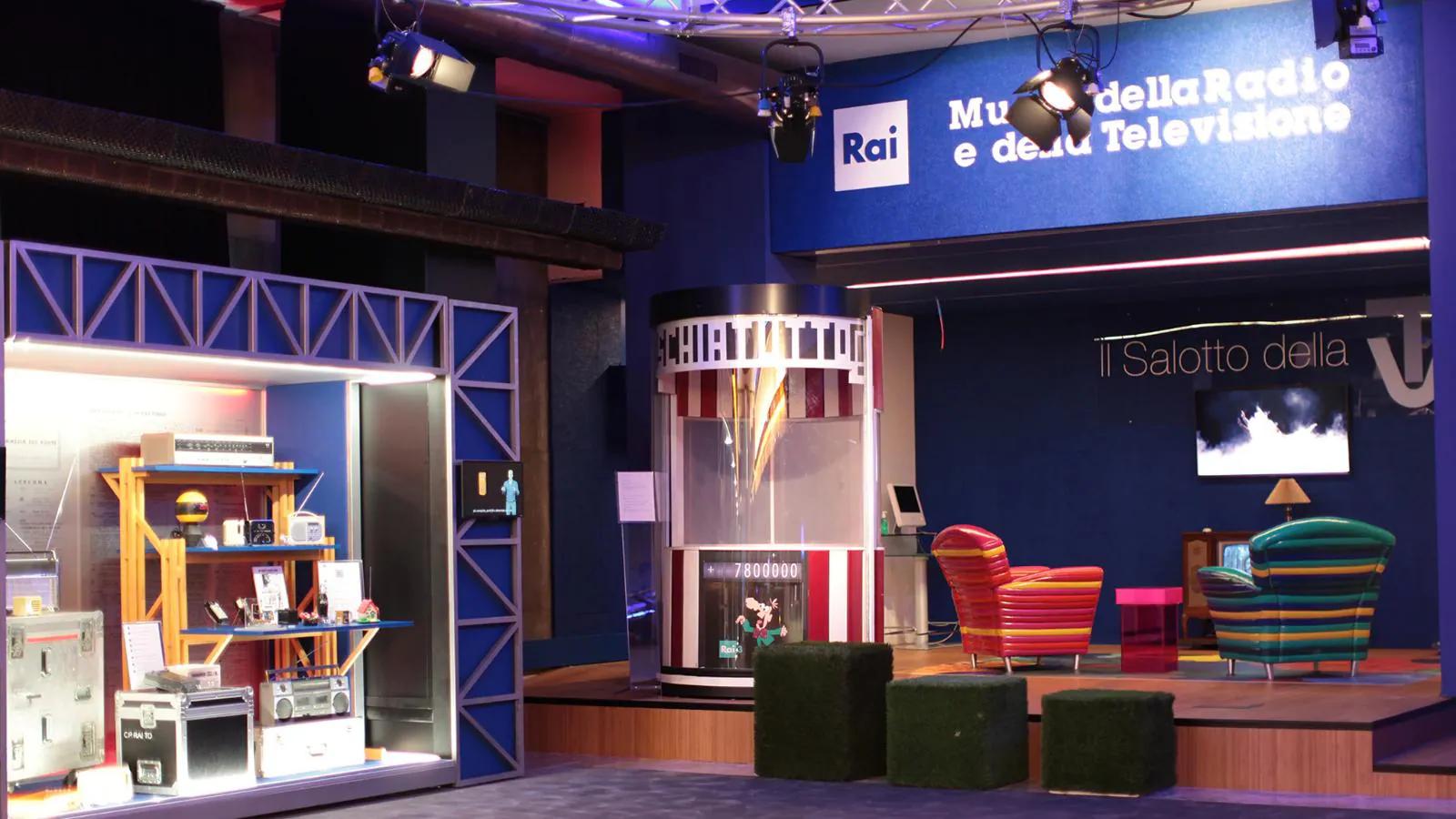 Radio and Television museum
Museo della Radio e della Televisione
Here Rai is still at work: the Museo della Radio e della Televisione is housed in its Turin Production Centre, a few steps from the Mole Antonelliana. The route goes from the first telegraph equipment to radio and television, by way of sound recording. The collection brings together historic equipment, microphones, cameras, stage materials and objects linked to Italian radio and television programmes. The reconstructions of production environments and the interactive stations help you understand what happens behind the scenes. After the renovation of the spaces, the museum reopened to the public in August 2026.
Read more
There is one object we like to point out here: the pink piano from the 1930s that belonged to Fred Buscaglione, a Turin singer and musician linked to swing and to post-war Italian song. The museum is not devoted only to music, but it tells how radio and television spread concerts, songs and music programmes. The recording and broadcasting equipment shows how much the technical work of music production has changed too.
-
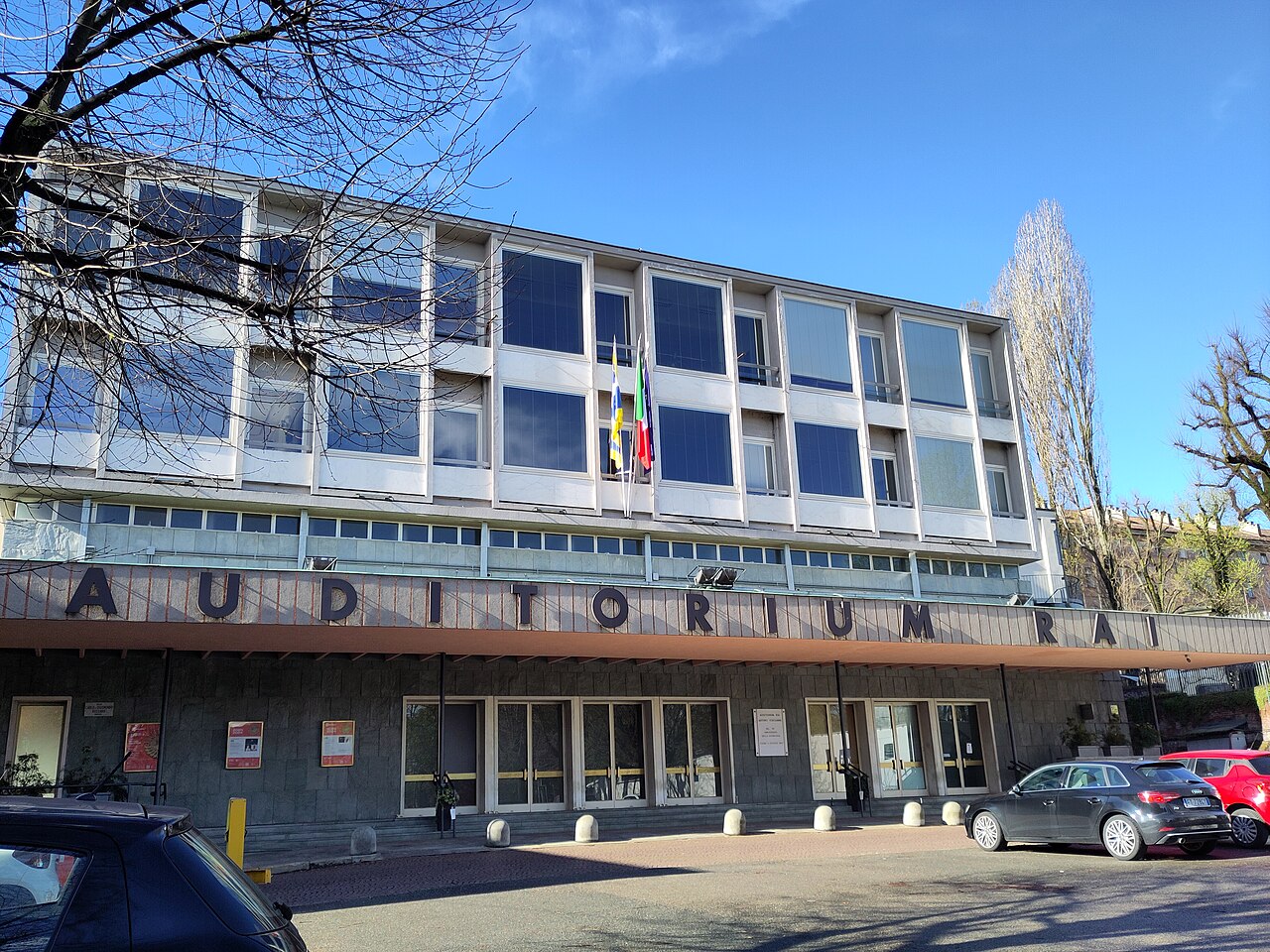 Auditorium Rai Arturo Toscanini
From the street you see only the exterior of the Auditorium Rai Arturo Toscanini; the hall, with stalls and galleries, is best known by attending a concert. It is the home of the Orchestra Sinfonica Nazionale della Rai, born from the merger of the earlier radio orchestras and based here since 1994. Before the radio, however, there were horses: the building was constructed in 1856 as the Regio Ippodromo Vittorio Emanuele II for equestrian shows. From 1872 it was used mainly for concerts. Bought by Rai after the Second World War, it was converted into an auditorium and opened in 1952; Carlo Mollino also took part in the arrangement of the hall. In 2007 the auditorium was named after Arturo Toscanini.
-
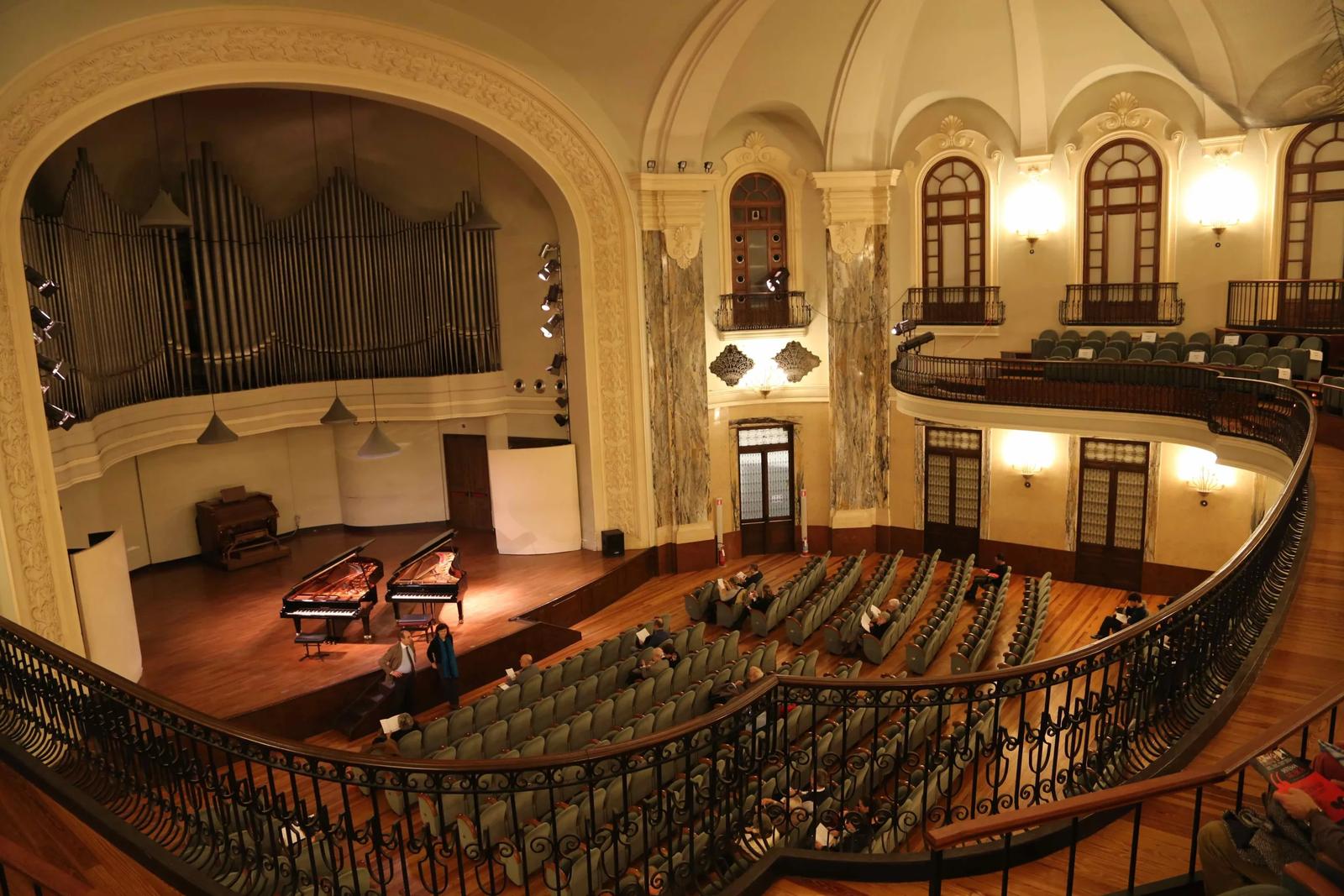 Conservatorio Giuseppe Verdi
From piazza Bodoni you will see the eclectic façade of the Conservatorio Giuseppe Verdi, built in 1928 to a design by Giovanni Ricci and officially opened in 1936. Inside there remain decorations from the first decades of the twentieth century and, at the centre, the Salone dei Concerti with the great organ inaugurated in 1933. From 1945 to 1952 the hall also hosted the public concerts of the Turin Rai Symphony Orchestra and Chorus. The school, the city's main institution for higher musical education, is older than the building: in 1866 the Istituto Musicale della Città di Torino was founded, later the Liceo Musicale and finally the state Conservatorio. To get to know the Salone, it is worth taking advantage of the musical events open to the public.
These are the essential stops, but there is much more
When you book your stay with us you receive the complete step-by-step itinerary, a practical box with directions to get there and back, tips on what to see and a final treat to round off the themed day.