Where Italy was born
Turin was not just the first capital of Italy (1861-1865): it was the forge where unification took shape. Here Cavour plotted in cafés, here the first Parliament passed the laws that brought the nation into being, and here the House of Savoy transformed a regional kingdom into a nation-state.
This itinerary takes you to the places where Italy was born: palaces where history was made, cafés where plots were hatched over ice cream, restaurants where Cavour watched the members of Parliament, and armouries that preserve the weapons of conquest. Ideal for anyone who loves history and the Risorgimento and wants to understand how a Piedmontese city became the birthplace of a nation.
On foot Walking: 3.7 km, 56 min
-
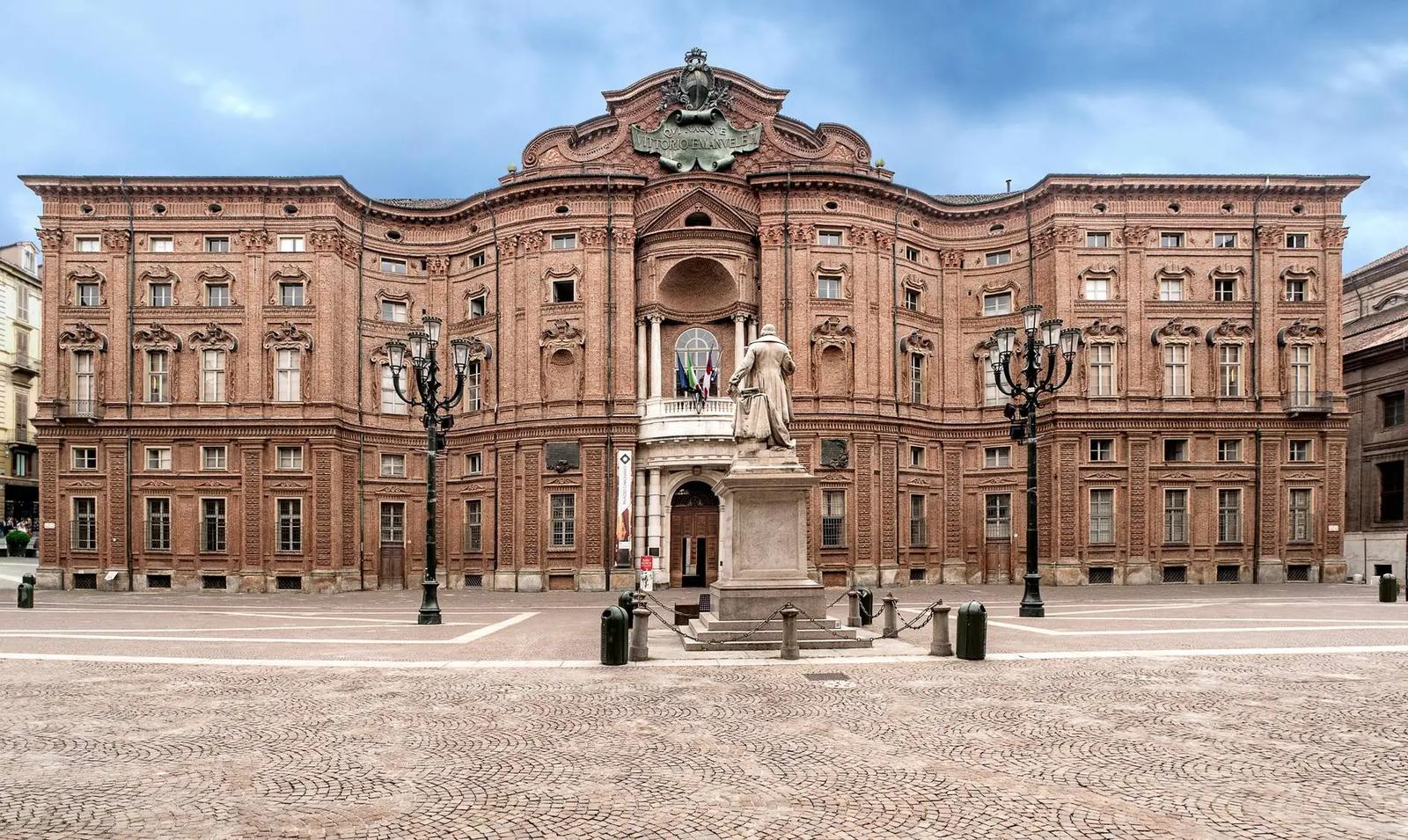 Palazzo Carignano
Palazzo Carignano and the first Parliament: where Italy was made
What it is: A Baroque masterpiece designed by Guarino Guarini (1679), with its famous undulating red-brick façade. But Palazzo Carignano is more than just architecture: it is the birthplace of the Italian nation.
The first Parliament of the Kingdom of Italy met here (1861-1864), in the Camera dei Deputati Subalpina built at the rear of the palace
Why it is special: Standing in the Chamber of Deputies where Italian unification was voted on is a moving experience. You can sit (symbolically) where the founding fathers of the nation once sat. You can imagine the fiery speeches, the historic votes and the dreams of a nation that did not yet exist.
-
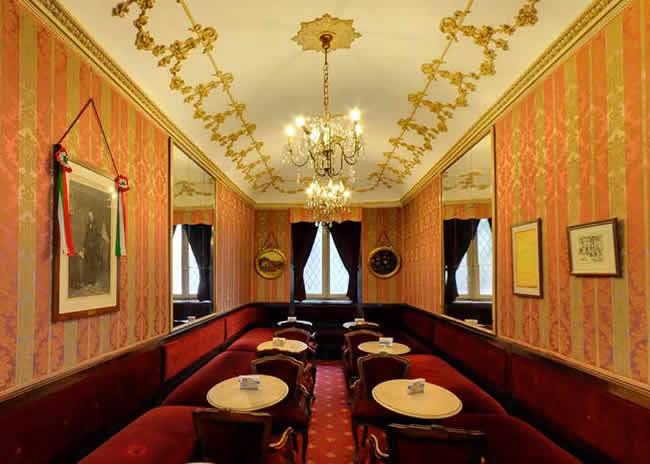 Caffè Fiorio
The history: Founded in 1780, Caffè Fiorio was the salon of Turin’s liberal nobility. Intellectuals, patriots and progressive aristocrats gathered here. Above all, it was here that Cavour and his allies discussed, plotted and planned the future of Italy.
The legendary anecdote: It is said that Carlo Alberto (King of Sardinia and father of Vittorio Emanuele II) would regularly ask his advisers: “What are they saying at Fiorio?” to gauge the mood of the people and the liberal elite. The café was the city’s political barometer.
Why it is special: Fiorio shows that history was not made only in official palaces, but also in cafés, salons and informal meeting places where ideas circulated freely. This is the Risorgimento “from below”, shaped by conversations, backroom alliances and networks of personal connections.
-
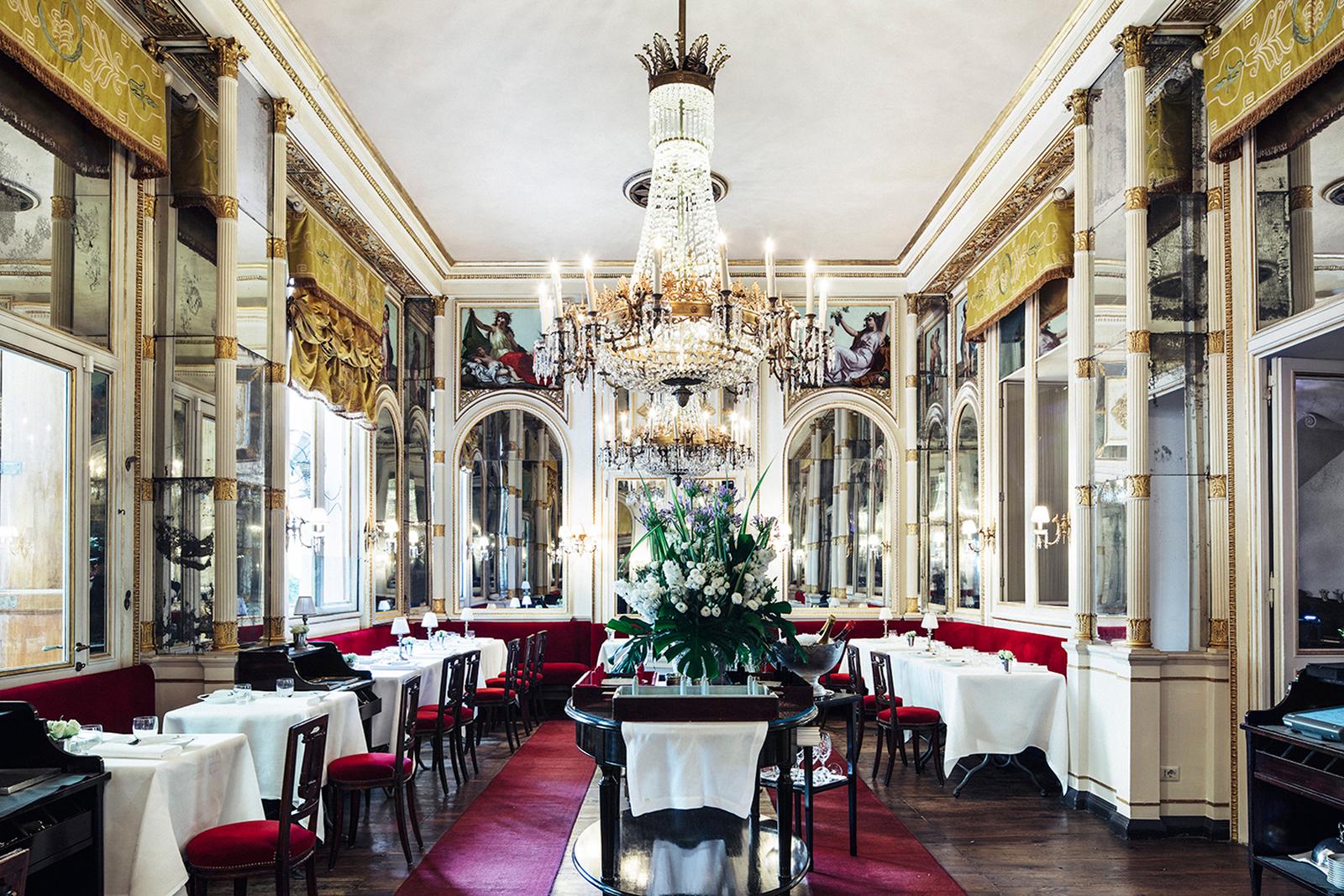 Ristorante Del Cambio
Ristorante Del Cambio: Cavour's table
The history: Founded in 1757, Del Cambio is one of the oldest restaurants in Europe still in business. In the nineteenth century, it became the favourite restaurant of the leaders of the Risorgimento.
Cavour's table: Camillo Benso di Cavour had his own reserved table here (and it still exists!). The table was strategically positioned: near the window overlooking Piazza Carignano, with a direct view of Palazzo Carignano (the seat of Parliament).
An interesting detail: From that table, Cavour could watch who went in and out of the seat of power. He could see which members of Parliament were meeting, which alliances were forming and which political factions were on the move. It was a political observation post disguised as lunch.
-
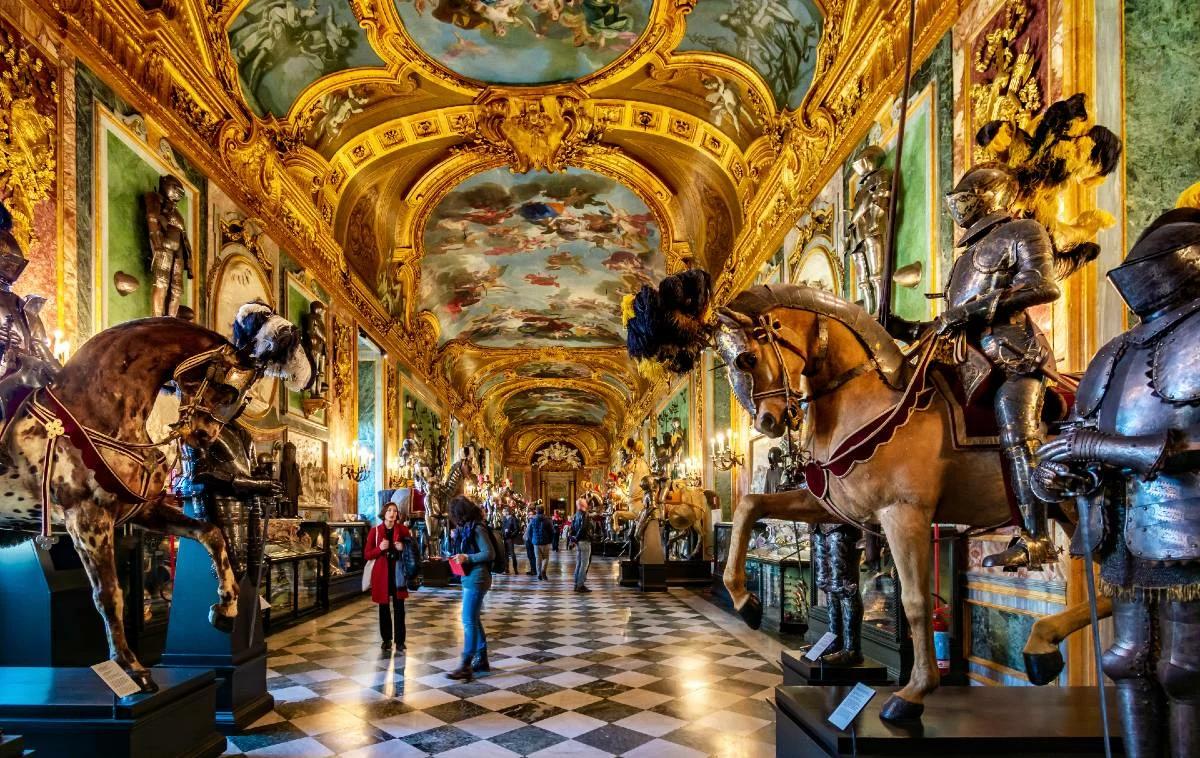 Armeria reale
Palazzo Reale and the Armeria: the heart of Savoy power
What it is: Palazzo Reale was built in the seventeenth century as the residence of the dukes (later kings) of Savoy. In the nineteenth century, it became the political heart of first the Kingdom of Sardinia and then the Kingdom of Italy.
Its role in the Risorgimento: events held here included:
Official receptions to celebrate military victories
Gala balls celebrating Italian unification
Diplomatic audiences with foreign ambassadors
Treaty signings (such as the alliance with Napoleon III's France)
Why it is special: seeing the armour and swords used in the fight for Italian unification makes history tangible. They are not just museum exhibits: they are the tools with which the nation was built.
-
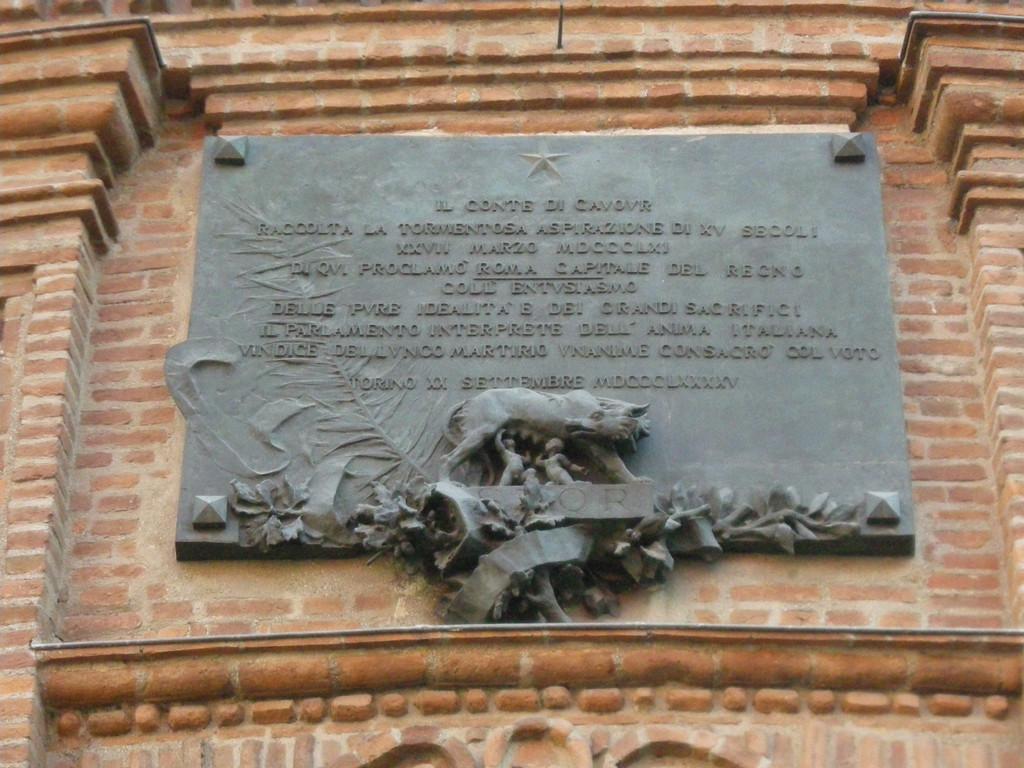 Plaque in Piazza Castello
Plaques in Piazza Castello
The detail: On some buildings in Piazza Castello (especially on the side facing Via Po), you will find stone plaques and commemorative tablets marking events of the Risorgimento:
The proclamation of the Kingdom of Italy (17 March 1861)
The departure of volunteers for the wars of independence
The triumphant returns after victoriesWhy it is special: These hidden details are often overlooked by tourists, but they tell the story of how Turin experienced the Risorgimento not only in its seats of power, but also in its streets, squares and everyday life. Each plaque is a trace of the patriotic fervour that swept through the city.
The route
The map loads after consent to third-party content (OpenStreetMap).
These are the essential stops, but there is much more
When you book your stay with us you receive the complete step-by-step itinerary, a practical box with directions to get there and back, tips on what to see and a final treat to round off the themed day.