Turin has no shortage of green: around 320 kilometres of tree-lined avenues and some fifty parks, from the historic gardens of the centre to the woods climbing the hill. There are lawns along the rivers, spaces for running and sport, gardens of old villas and places where it is enough to stop for a moment to forget the traffic.
We have chosen ten very different parks. We begin with the Valentino and the Giardini Reali, cross the large green spaces of western and southern Turin, then climb towards the views of Cavoretto and the Maddalena, as far as the Mandria, at the gates of Venaria Reale. Along the way you will also discover how the city has transformed these places over the centuries.
It is not an itinerary to do entirely on foot. From our B&B you can easily reach the Valentino and Parco Leopardi; for the others it is best to pick one area at a time, using public transport or, for the hill, the car. Set aside at least half a day for the Mandria. Seeing all ten parks will take several days, but there is no hurry: choose the ones that intrigue you most. Before setting out, check the current conditions of access and visiting.
On foot Walking: 65.1 km, 16 h 17 min excluding stops reached by transport
-
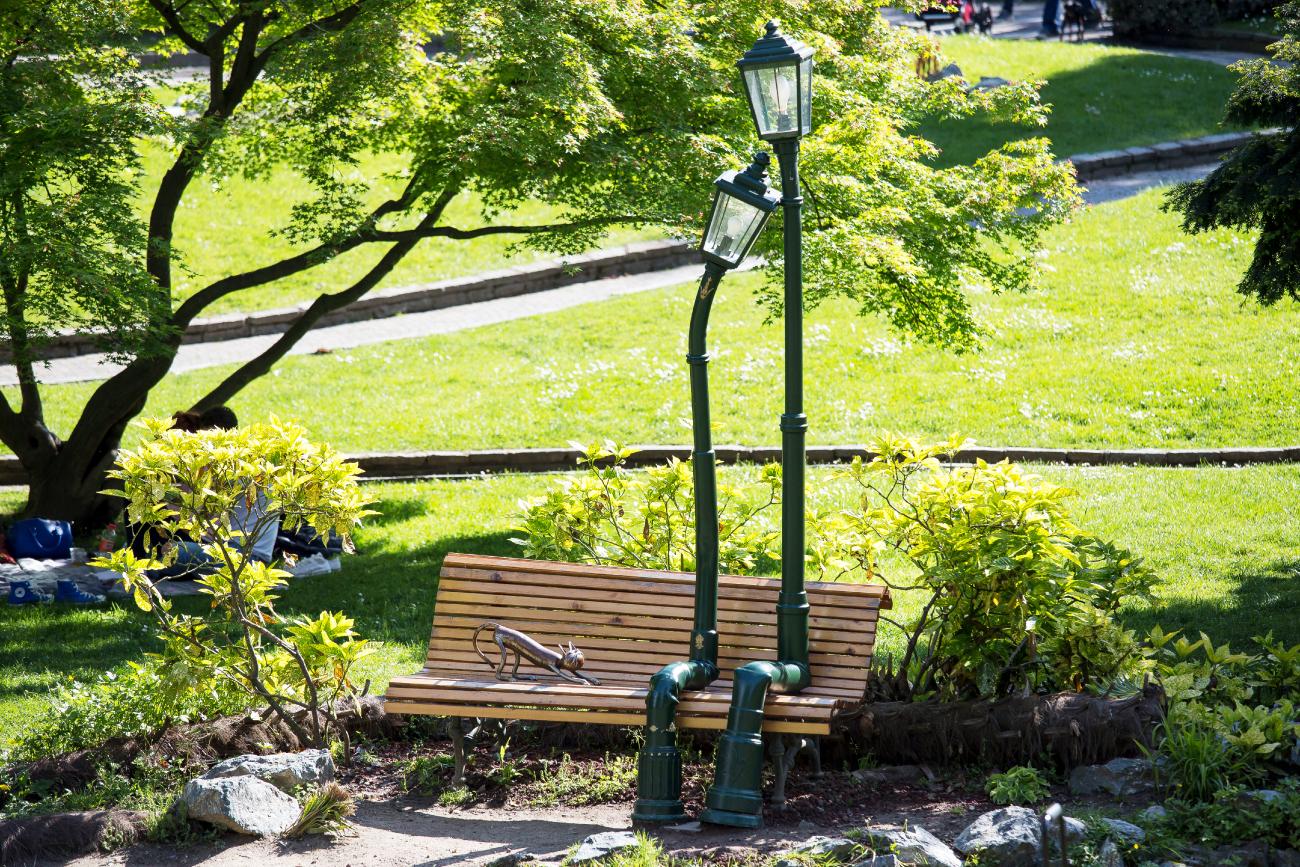 Parco del Valentino
At the Valentino you can walk a good stretch with the Po beside you. The park follows the left bank of the river, in the San Salvario district, among tree-lined avenues, lawns and some of Turin's best-known monuments. The Fontana dei Dodici Mesi has statues and water features; the Borgo Medievale was built for the Esposizione generale italiana of 1884, recreating a fifteenth-century Piedmontese village. Then there is the Castello del Valentino, a former Savoy residence overlooking the Po, today used by the Politecnico di Torino for activities related to architecture. The park can be walked freely, while access to the individual buildings follows their respective opening arrangements. Even without going in, the walk deserves the time you give it.
Read more
If you are looking for a bit of shade, the big trees of the Valentino are just what you need. Among the branches you will also come across squirrels, which are often a good reason to stop for a few minutes. The people of Turin come here to walk, run or simply spend a few hours outdoors.
You can stay on the inner paths or go closer to the river, alternating the walk with a rest on the lawns. Depending on the season and the time you have, a short stroll may be enough, or you can take it more slowly and devote a few hours to the monuments as well.
-
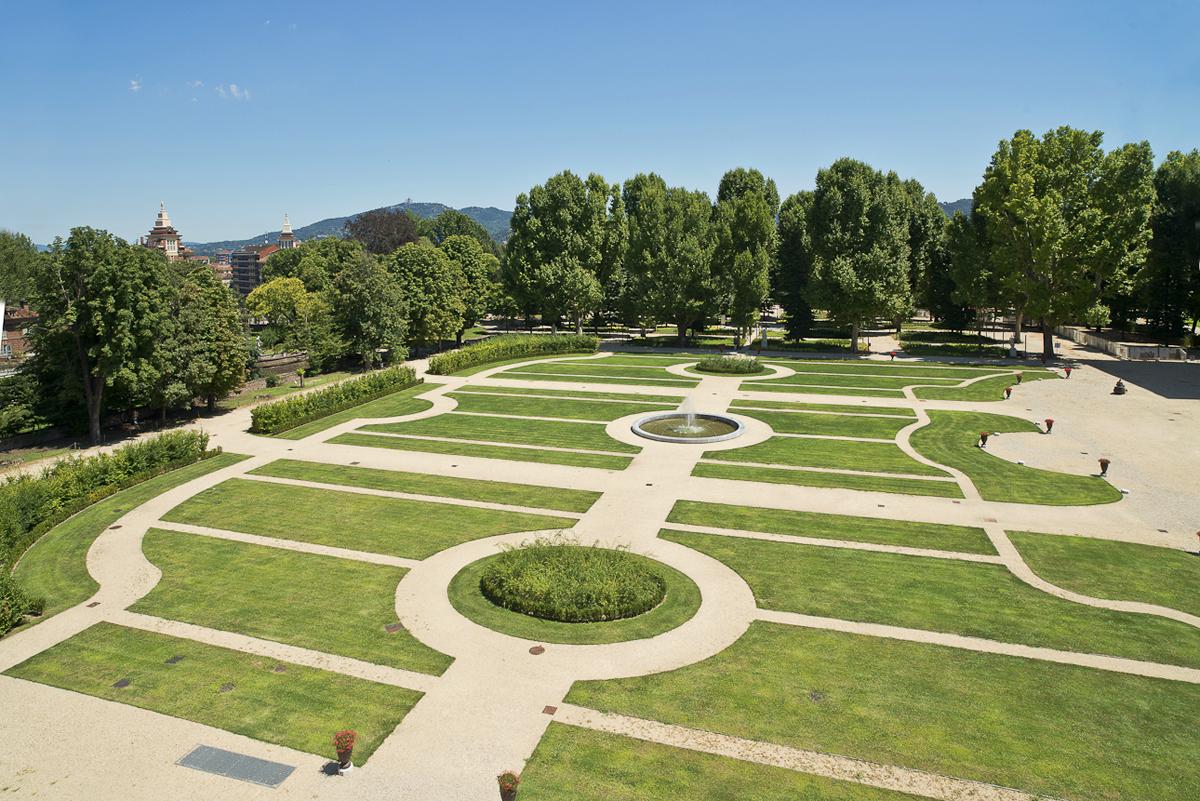 The Giardini Reali
Giardini Reali
Behind Palazzo Reale and the Armeria, a few steps from piazza Castello, orderly avenues, fountains, pools and statues await you. These are the Giardini Reali, part of the Musei Reali complex. The first nucleus dates back to the seventeenth century, but as the city and the palace expanded, the gardens gradually changed in appearance. Between the end of the seventeenth and the beginning of the eighteenth century they took on a design inspired by the great French gardens: precise geometries and perspectives, because the greenery too had to express the taste and prestige of the Savoy court. As you stroll, you keep rediscovering the relationship between the garden, the buildings of Palazzo Reale and the old city fortifications. It is a pleasant stop during a visit to the historic centre.
-
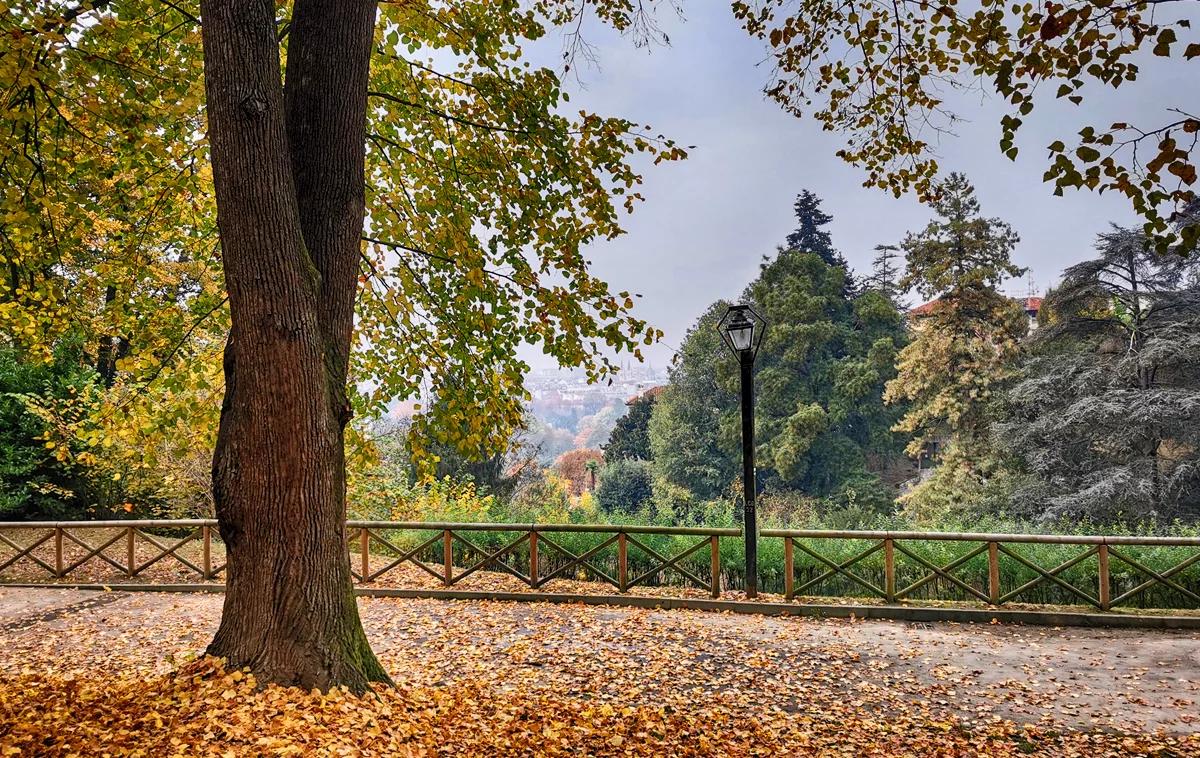 Parco Giacomo Leopardi
Here the greenery begins to climb. Entering Parco Leopardi from corso Moncalieri, near the ponte Isabella, you find yourselves at the foot of the hill, with an avenue winding uphill in hairpin bends among plane trees, sequoias, tulip trees and ginkgo biloba, recognisable by their fan-shaped leaves. There are many other species too, in surprisingly varied vegetation. These grounds were once occupied by the villas and vineyards of noble and middle-class families; in 1937 the City bought the property and turned it into a public park. For a stroll you can keep to the avenues, but if you feel like walking further, the Anello Verde also starts here, with trails that cross the woods and continue towards San Vito and the higher parts of the hill.
-
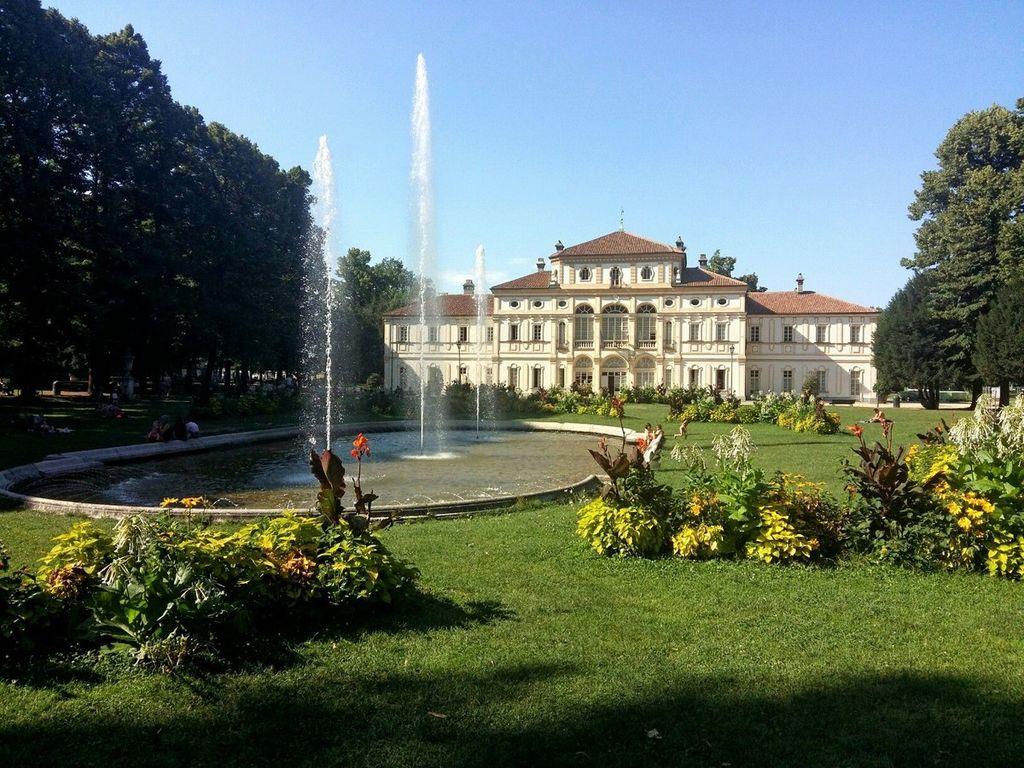 Parco della Tesoriera
Parco La Tesoriera
Near the entrance from corso Francia you are welcomed by an enormous plane tree, planted in the eighteenth century and known as the "nonno di Torino" (the grandfather of Turin). It is considered the oldest tree in the city, and its trunk is several metres in circumference. That alone is worth a walk, but the Tesoriera has much more. Between corso Monte Grappa, via Borgosesia and via Asinari di Bernezzo stretch about 75,000 square metres of garden, with numerous tree species, some from distant origins. At the centre stands an eighteenth-century Baroque villa, preceded by a wide lawn and a fountain. It was built by Jacopo Maggi, inspired by the architecture of Guarino Guarini, for Aymo Ferrero di Cocconato, treasurer of the Savoy. The villa was inaugurated in 1715: the park's name comes from that treasurer.
-
 Parco della Pellerina
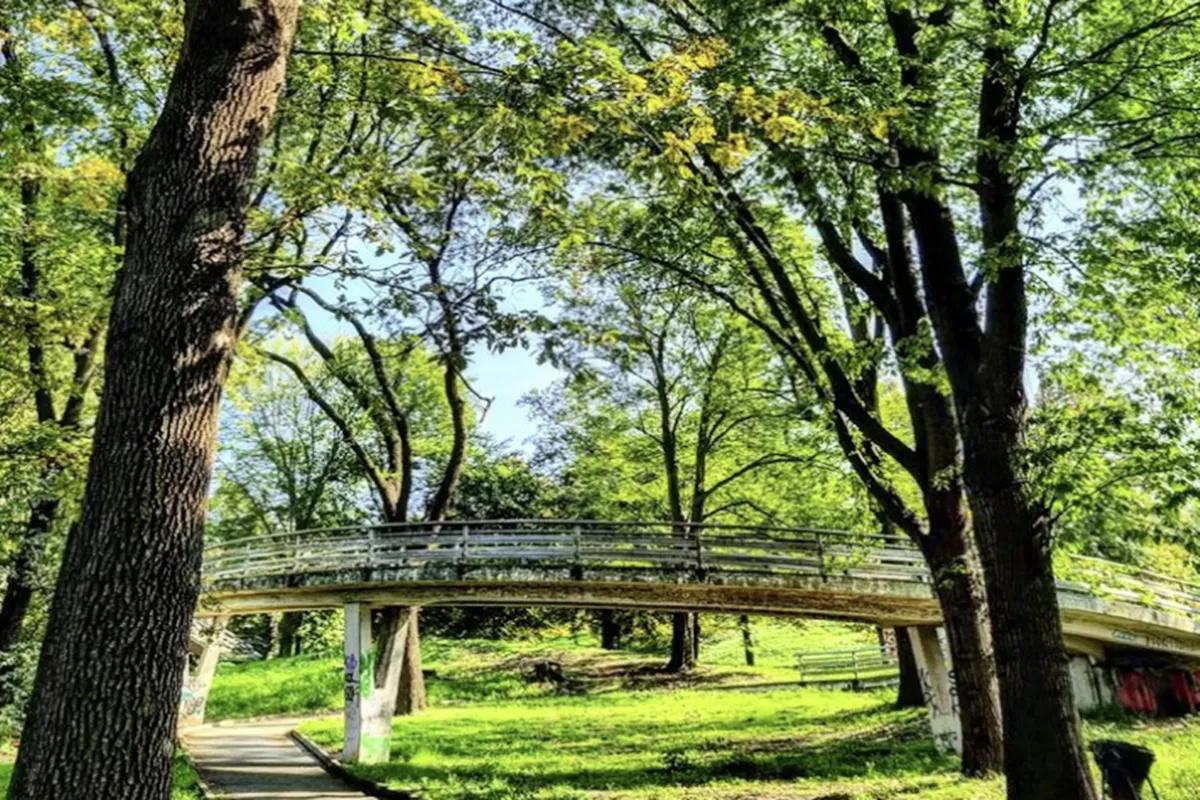
The Dora Riparia crosses the Pellerina diagonally, the largest urban park in Turin: about 837,000 square metres in the western part of the city. Among meadows, tree-lined avenues and artificial lakes there is also a natural pond surrounded by reed beds, where birds, amphibians and reptiles find shelter. You may come across mallards, grey herons, wagtails, goldfinches, blackcaps, tits, chaffinches, blackbirds, robins, nightingales and greenfinches. The name comes from a nearby seventeenth-century farmhouse. For leisure there are picnic areas, fitness and running trails, cycle paths, sports facilities and modern sculptures. From the centre, which is quite far away, you can reach it by public transport. It can be a break in the greenery after a walk among the Art Nouveau buildings of the nearby corso Francia and via Cibrario.
-
 Parco Colonnetti
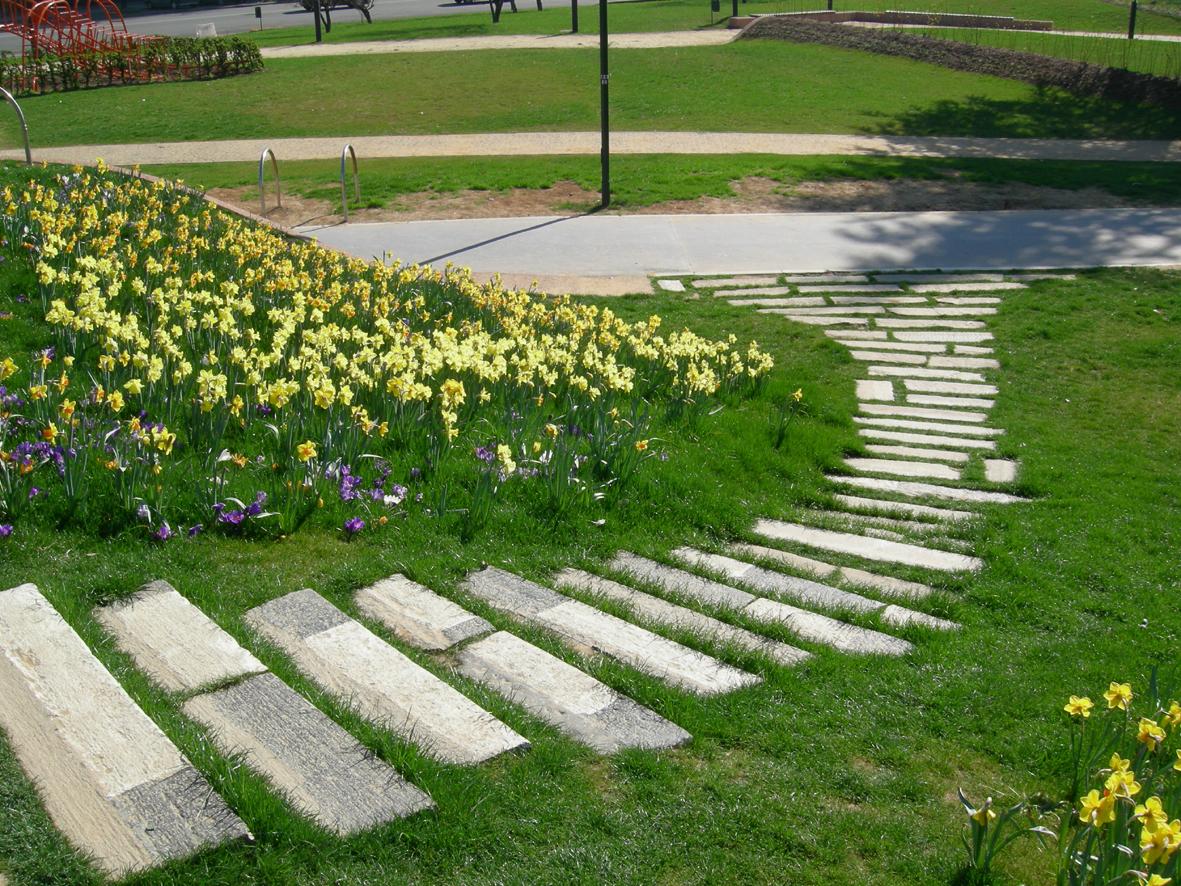
Among the lawns of Parco Colonnetti three figures await you that some will remember: Neve, Gliz and Aster, the mascots of the Turin 2006 Olympic and Paralympic Games. But this green space in Mirafiori Sud has a much longer history. Here, in 1911, Turin's first airport was inaugurated, named Gino Lisa in its civil part and Carlo Piazza in its military part. Between hangars and airships, the airfield remained active until the years after the Second World War. After its closure, part of the area was given over to scientific research and then to a public park, named after the mathematician and engineer Gustavo Colonnetti. From countryside to airport, today you will find footpaths, playgrounds, sports equipment and areas for the conservation of local wildlife. It is away from the centre, but reachable by public transport.
-
 Parco Ruffini
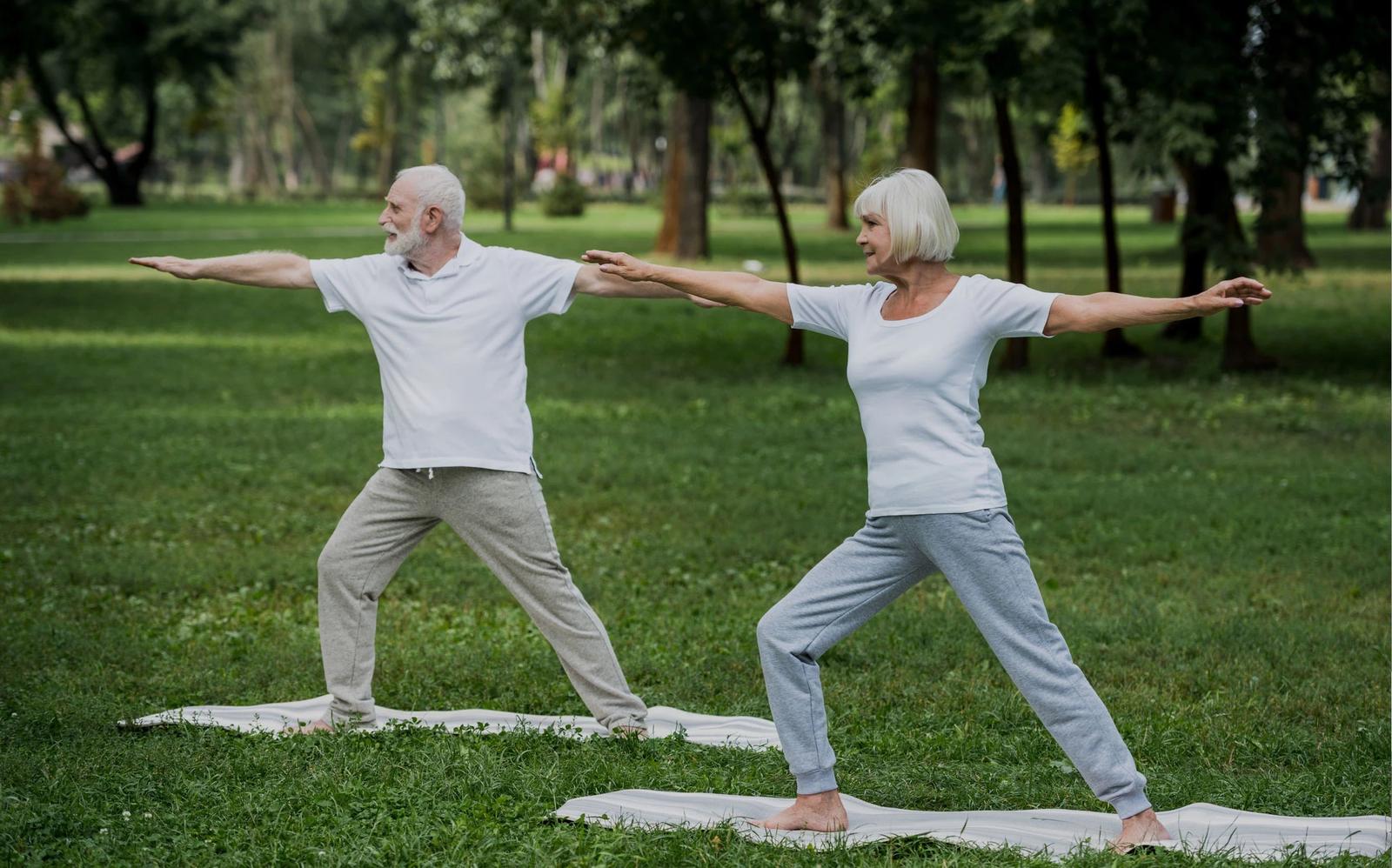
Sport is at home at Parco Ruffini: tennis courts, football and five-a-side pitches, skating rinks, a skateboard ramp, footpaths, leisure areas and even a camper van area. We are in western Turin, between Pozzo Strada and Borgo San Paolo. Designed in the 1920s, the park was opened on 31 December 1925 as Parco Principe Gerolamo Napoleone Bonaparte; in 1945 it took the name of Francesco Ruffini, jurist, minister and university professor. Its sporting vocation developed over the course of the twentieth century. The Palazzetto dello Sport stands out, with its distinctive roof, built in 1961 for the centenary of Italian Unification to a design by Annibale Vitellozzi. From the B&B you can reach it on tram 15, one of the longest routes in the network. Nearby you will find the Lancia skyscraper, designed in the 1950s by Marcello Nizzoli and now converted into apartments, and the Fondazione Merz, in the former thermal power plant of the same factory.
-
 Parco della Maddalena
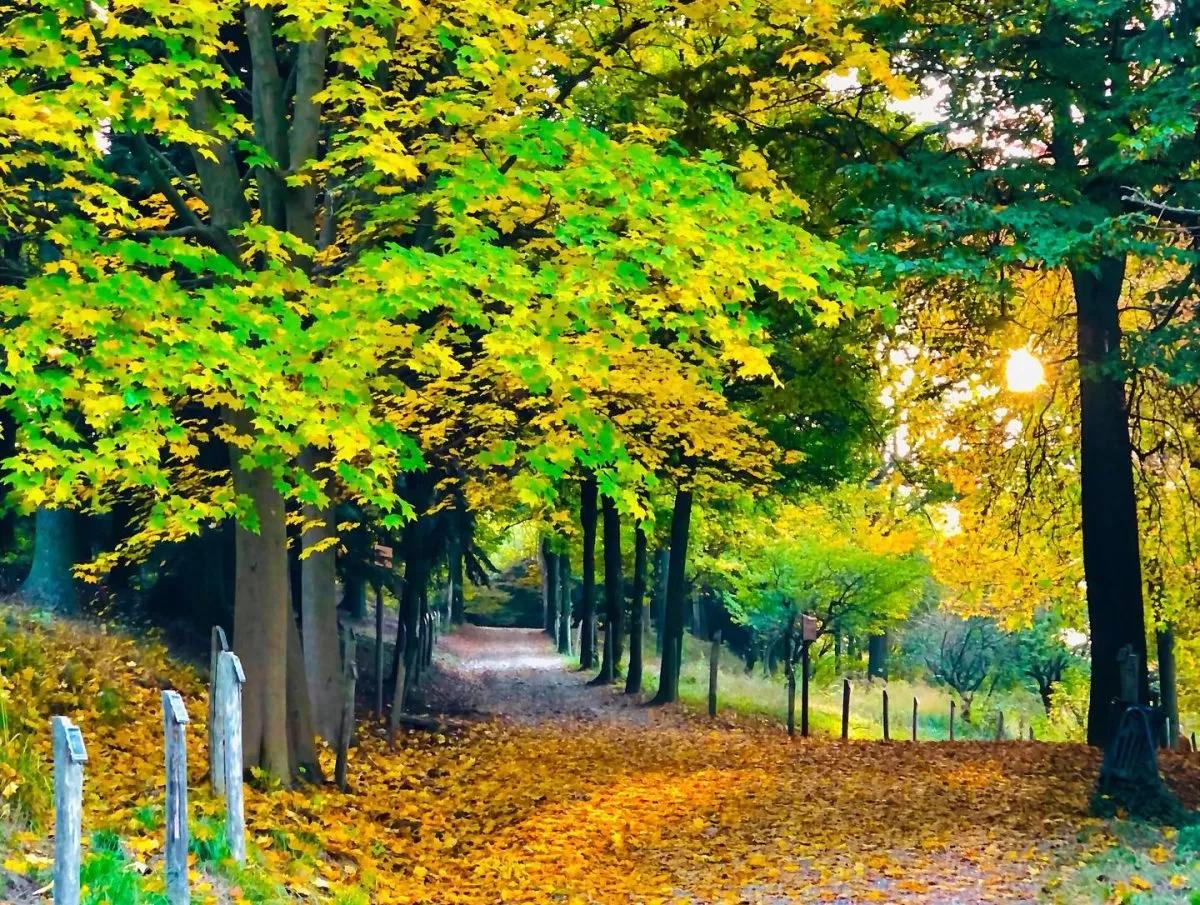
To see Turin from above you can drive up along the panoramic road that follows the crest of the hill. The colle della Maddalena, about 715 metres, is the highest point in the municipal territory. The park includes the Parco della Rimembranza, inaugurated in 1925 in memory of the Turin soldiers who fell in the First World War, and the Parco delle Repubbliche Partigiane Piemontesi. Thousands of trees of many botanical species line the roads and paths through the woods. At the top opens a large square: on clear days you will see Turin and the arc of the Alps. Here also stands the Faro della Vittoria, an imposing bronze statue of the Winged Victory, made by Edoardo Rubino and commissioned in 1928 by senator Giovanni Agnelli for the tenth anniversary of the Italian victory in the Great War.
-
 Parco Europa
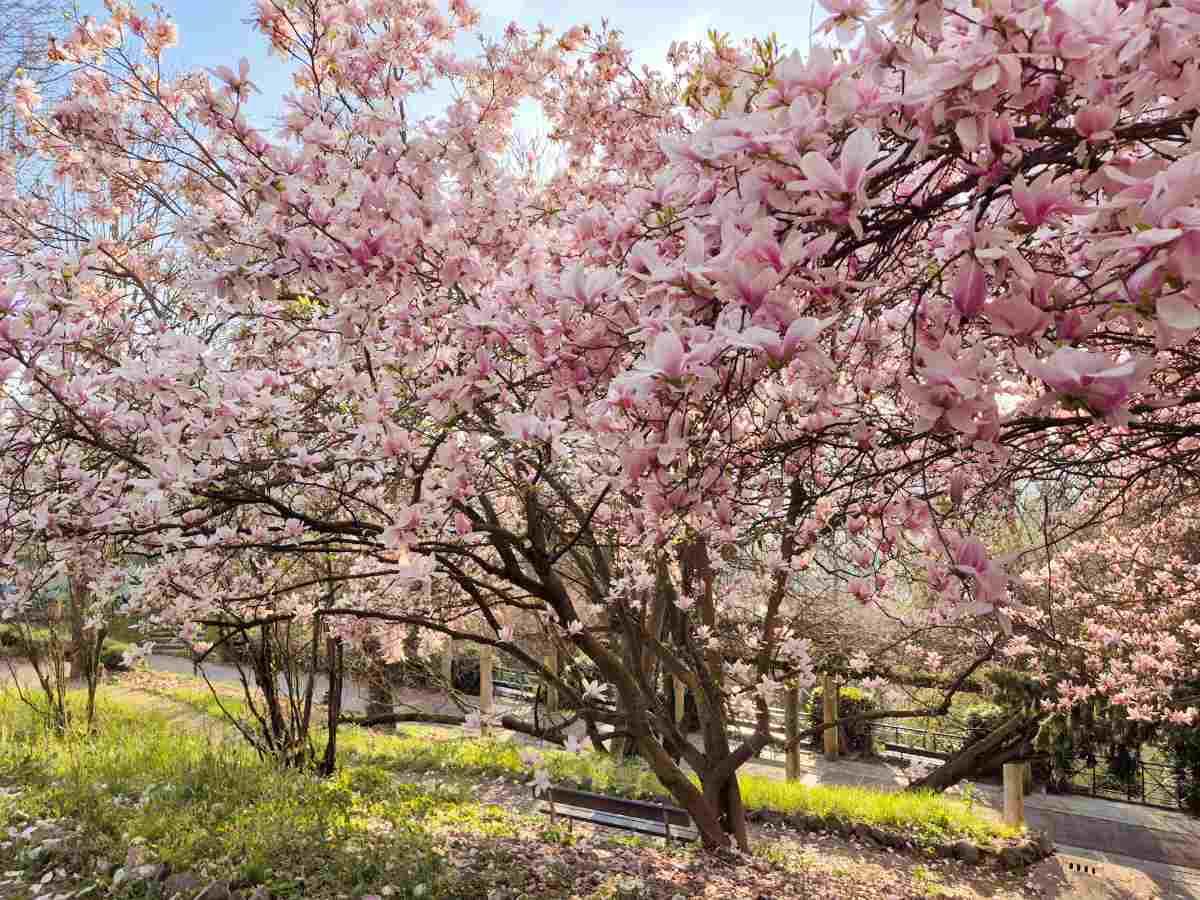
From the terraces of Parco Europa, in Cavoretto, you will see Turin spread out over the plain and, when the sky is clear, the mountains in the background. Cavoretto is an old hillside village, today part of the city. In the park, between one viewpoint and the next, you will find tree-lined avenues, paths, playgrounds and fountains with cascades and jets. It was designed in the 1950s by Pietro Bertolotti, then director of the City's Parks and Tree-lined Avenues Service, and completed in 1961 for the centenary of Italian Unification. The remains of the upper station of the cable car that, during Italia '61, connected the hill to the exhibition area along the Po are still visible. Even then, people came up here to look at Turin from above. From the B&B you can get here by car or by public bus, with one change.
-
 Parco La Mandria
Parco della Mandria by public transport or car
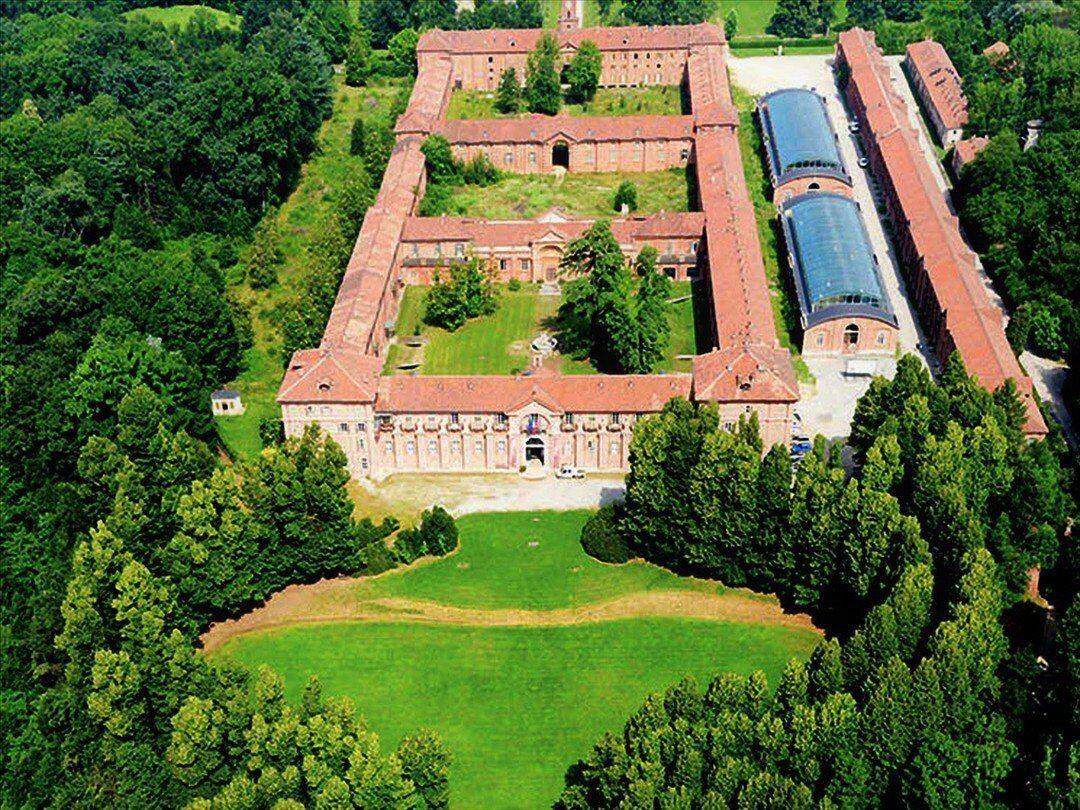
It is worth devoting at least half a day to the Mandria. It is a very large protected natural area, north-west of Turin, near the Reggia di Venaria Reale, where you can walk among broadleaf woods, meadows, streams and artificial lakes. Savoy history is still present: Vittorio Emanuele II enlarged the estate and had it surrounded by a long boundary wall, using it as a hunting reserve and a place to stay. Today a network of internal roads and trails lets you explore it on foot, by bicycle or, when available, on carriage rides. In the park there is also the Borgo Castello, with the Royal Apartments of Vittorio Emanuele II, which can be visited according to the opening arrangements. From Turin you get there by car or by public transport towards Venaria Reale.
The route
The map loads after consent to third-party content (OpenStreetMap).
These are the essential stops, but there is much more
When you book your stay with us you receive the complete step-by-step itinerary, a practical box with directions to get there and back, tips on what to see and a final treat to round off the themed day.