From our B&B you need only cross the Po near the Gran Madre to head towards the centre and a Turin that also tells its story through its places of devotion. There are the Consolata, the Duomo, the Baroque churches near piazza Castello; then Valdocco, where the Salesian work was born. It is an ancient tradition, which continues to draw the faithful and pilgrims to its churches, sanctuaries and abbeys. The city keeps the Holy Shroud and still bears the mark of its nineteenth-century Social Saints, among them Don Bosco and Giuseppe Benedetto Cottolengo, devoted above all to the young and to people in difficulty.
For this tour of the city allow at least half a day. If you also want to visit the Chapel of the Shroud, reached through the Musei Reali route, leave yourselves a little more time. Before setting out, check access arrangements and connections.
And then there are the destinations outside the centre: Superga, on the hill, which you can reach with the rack tramway from Sassi; the medieval Sacra di San Michele, at the mouth of the Val di Susa; the Colle Don Bosco, in the hills of Asti. For these last two destinations we suggest separate excursions.
-
 Basilica Maria Ausiliatrice
Chiesa Santa Maria Consolatrice
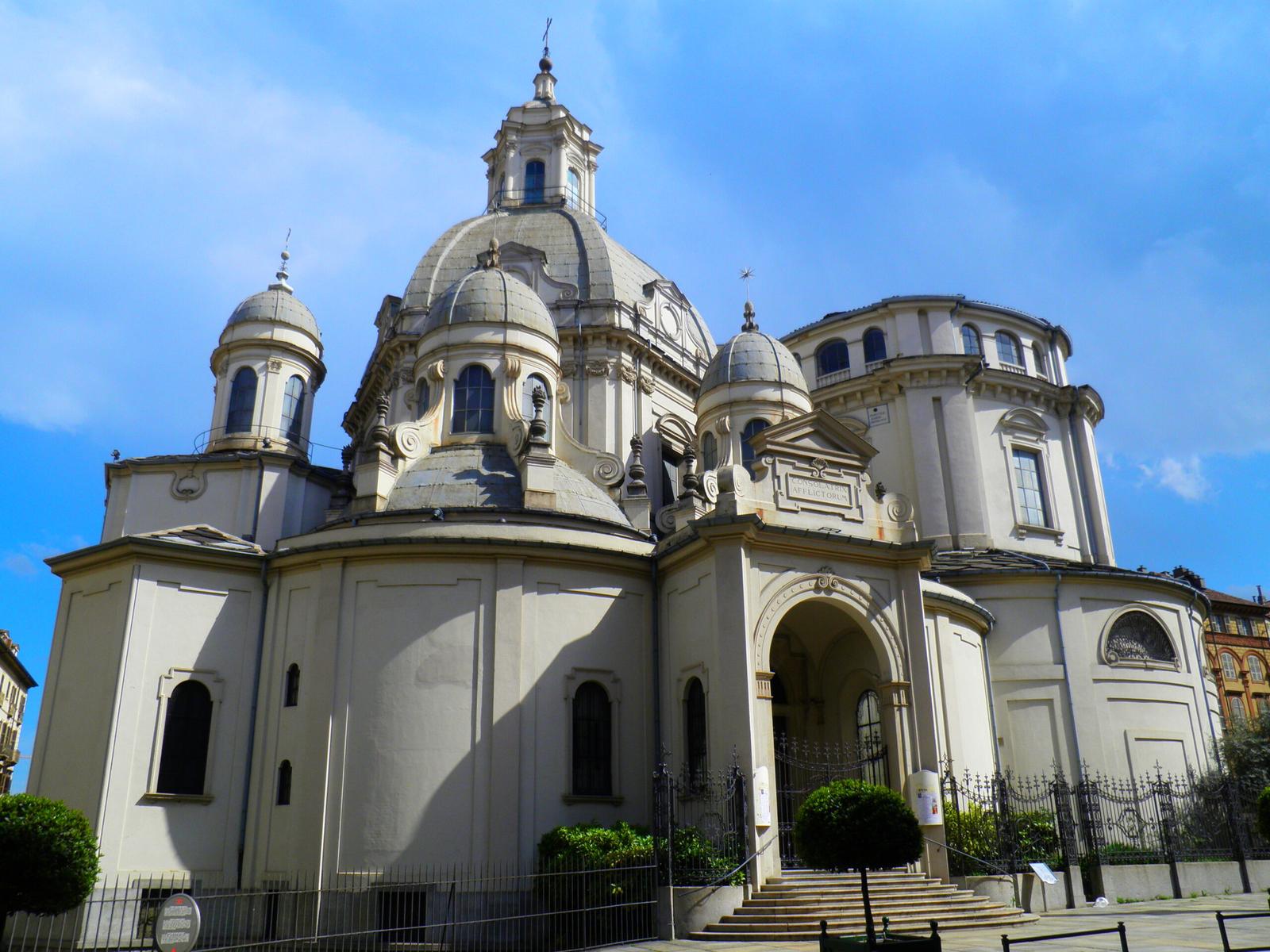
Inside the Consolata, the ex-votos tell how dear the sanctuary is to the people of Turin: they are offerings to the Madonna, invoked as Consoler and protector of the city. There is also a venerated image linked to the iconographic tradition of the Hodegetria. On the square of the same name, the sanctuary occupies the site of the Romanesque church of Sant'Andrea, documented as early as the 10th century. What remains of it are the underground chapel of the Madonna delle Grazie and the 11th-century bell tower, attributed to the monk Bruningo, with two- and three-light mullioned windows. In 1678 Guarino Guarini designed the Baroque extension for Maria Giovanna Battista of Savoy-Nemours; in 1729 Filippo Juvarra worked on the presbytery and the high altar. The neoclassical pronaos dates from 1860, while Carlo Ceppi's further extensions date from the period between 1899 and 1904.
-
 Chiesa Madonna del Carmine
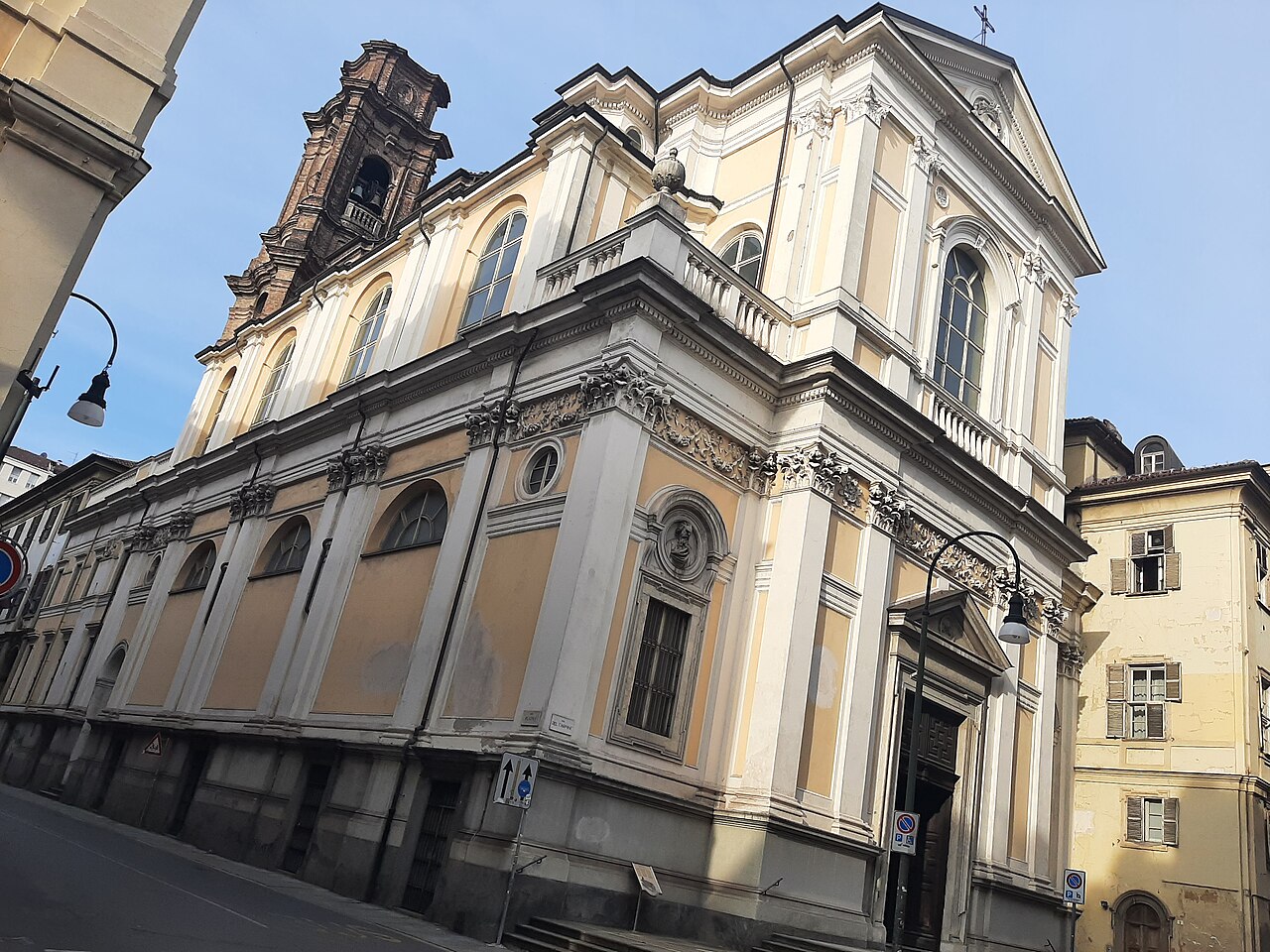
On entering the Madonna del Carmine, it is the light that strikes you: in the single nave, without a transept and with three chapels on each side, the lower part remains intimate and dimly lit; above, the large windows bring out the forms of the architecture. Filippo Juvarra designed the church, built between 1732 and 1736; Ignazio Agliaudo di Tavigliano, Francesco Benedetto Feroggio and Ignazio Birago di Borgaro contributed to its construction and completion. The façade remained unfinished for over a century, until Carlo Patarelli's intervention in 1871. Next to it is the convent designed in 1728 by Gian Giacomo Plantery. Severely damaged by the bombings of August 1943, the church was restored between 1947 and 1955, with partial changes to its original appearance.
-
Basilica Maria Ausiliatrice
Basilica di Maria Ausiliatrice
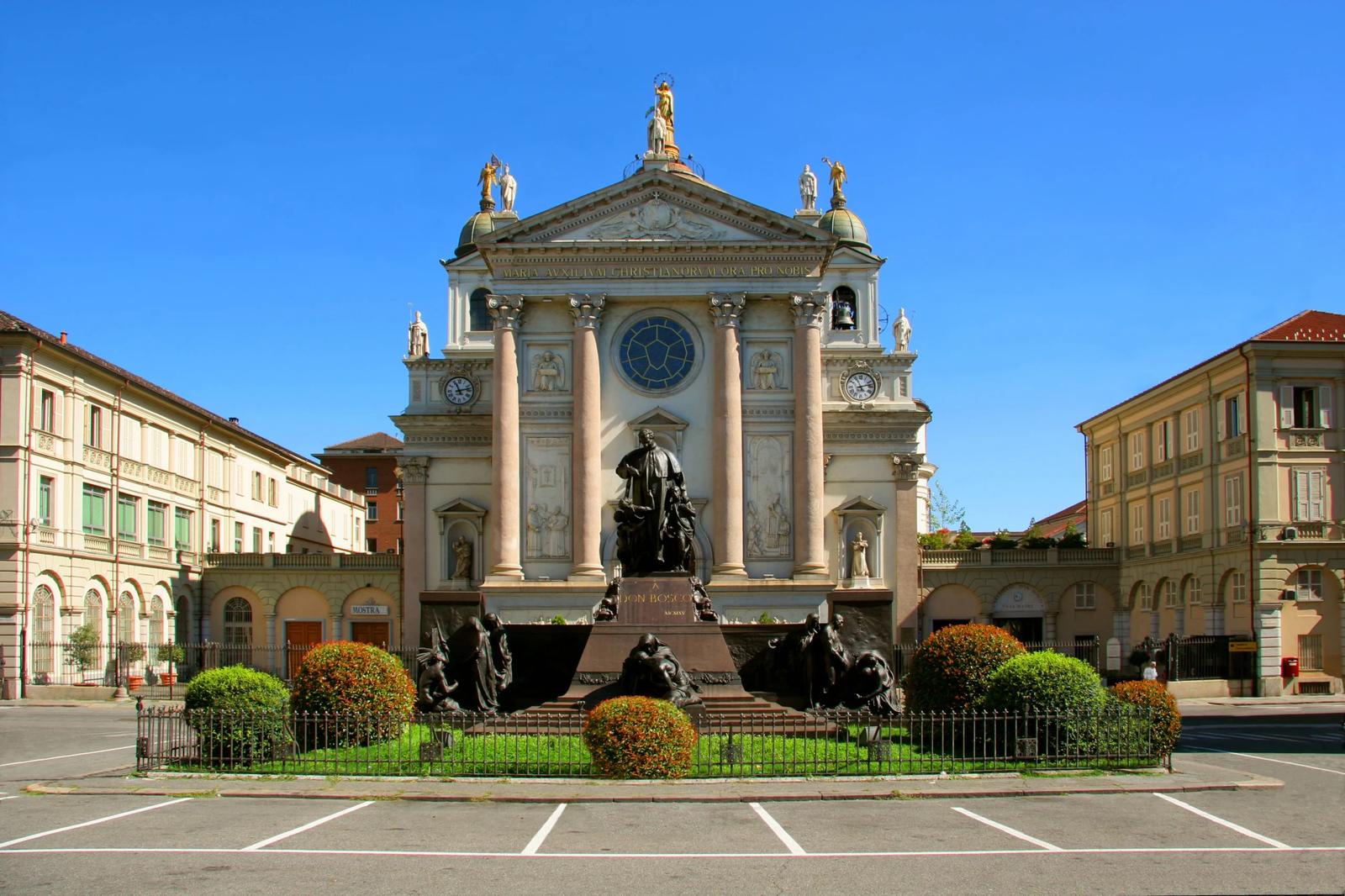
In Valdocco, the Basilica di Maria Ausiliatrice stands close to the oratory where Don Bosco carried out his educational work for young people. Founder of the Salesian congregation, it was he who wanted the church and entrusted its construction to the engineer Antonio Spezia: the works took place between 1865 and 1868. Above the neo-Renaissance-inspired facade rises the great dome with the statue of the Madonna. Inside, on the high altar, you will find the painting of Mary Help of Christians by Tommaso Lorenzone. The basilica also holds the remains of Don Bosco and of other saints of the Salesian family. Enlarged in the 1930s and 1940s, it still welcomes Salesian faithful on pilgrimage from all over the world.
-
 Duomo of Turin
Duomo di San Giovanni Battista
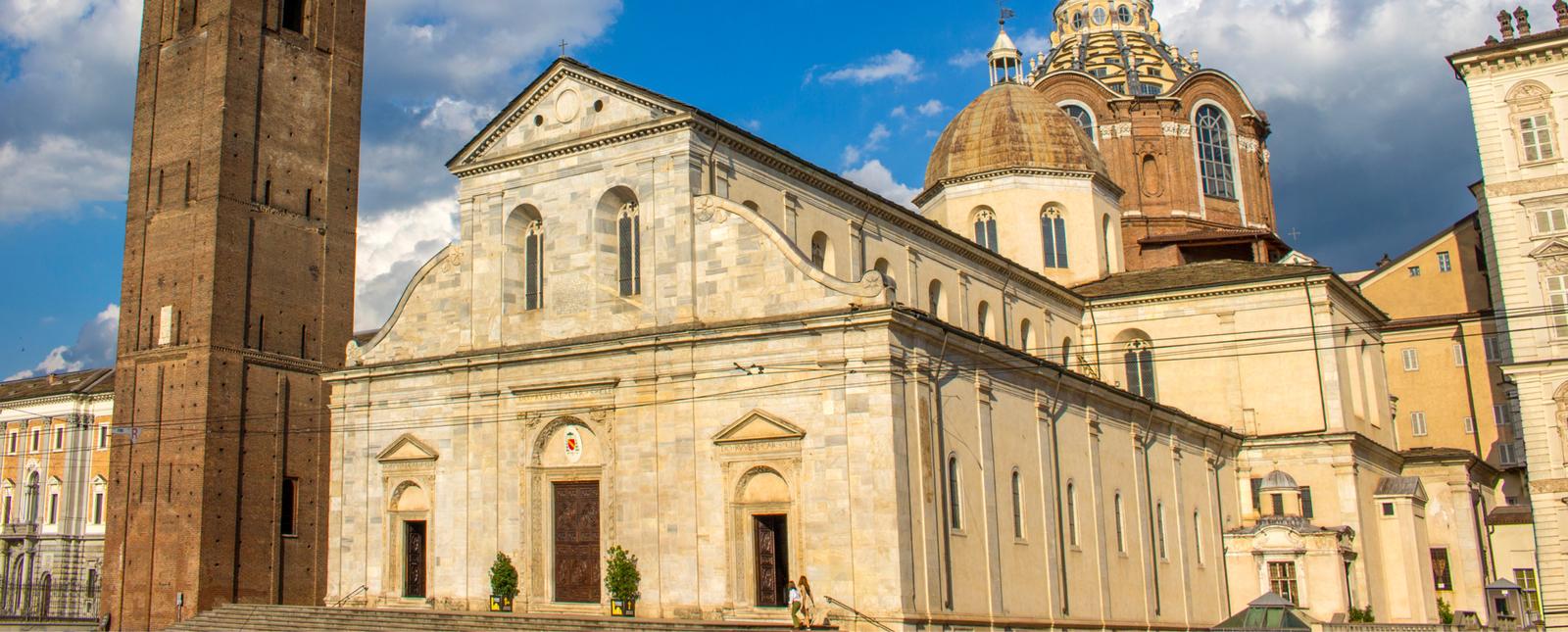
Among the Baroque buildings that surround it, the white marble façade of the Duomo is immediately recognisable: three portals and a look that differs from the rest of the square. The cathedral, dedicated to St John the Baptist, stands next to the Musei Reali and was built between 1491 and 1498 to a design by Meo del Caprina. It is one of the landmarks of Renaissance religious architecture in Turin. In the 17th century the complex was enlarged with the Cappella della Sacra Sindone, designed by Guarino Guarini between the Duomo and Palazzo Reale. Today the cloth is kept in a chapel of the left aisle, beneath the Tribuna Reale, and is normally not on view.
Read more
According to Christian tradition, the Shroud is the cloth that wrapped the body of Jesus in the tomb. Kept by the House of Savoy and moved to Turin in 1578, it became a landmark of the city's devotion. Today the cloth is kept under controlled conditions and is shown to the faithful only during extraordinary exhibitions. The historic chapel that housed it for centuries is reached instead through the Musei Reali: a route separate from the visit to the Duomo, to discover the architecture of the place as well.
-
 Cappella della Sacra Sindone
Cappella della Sindone
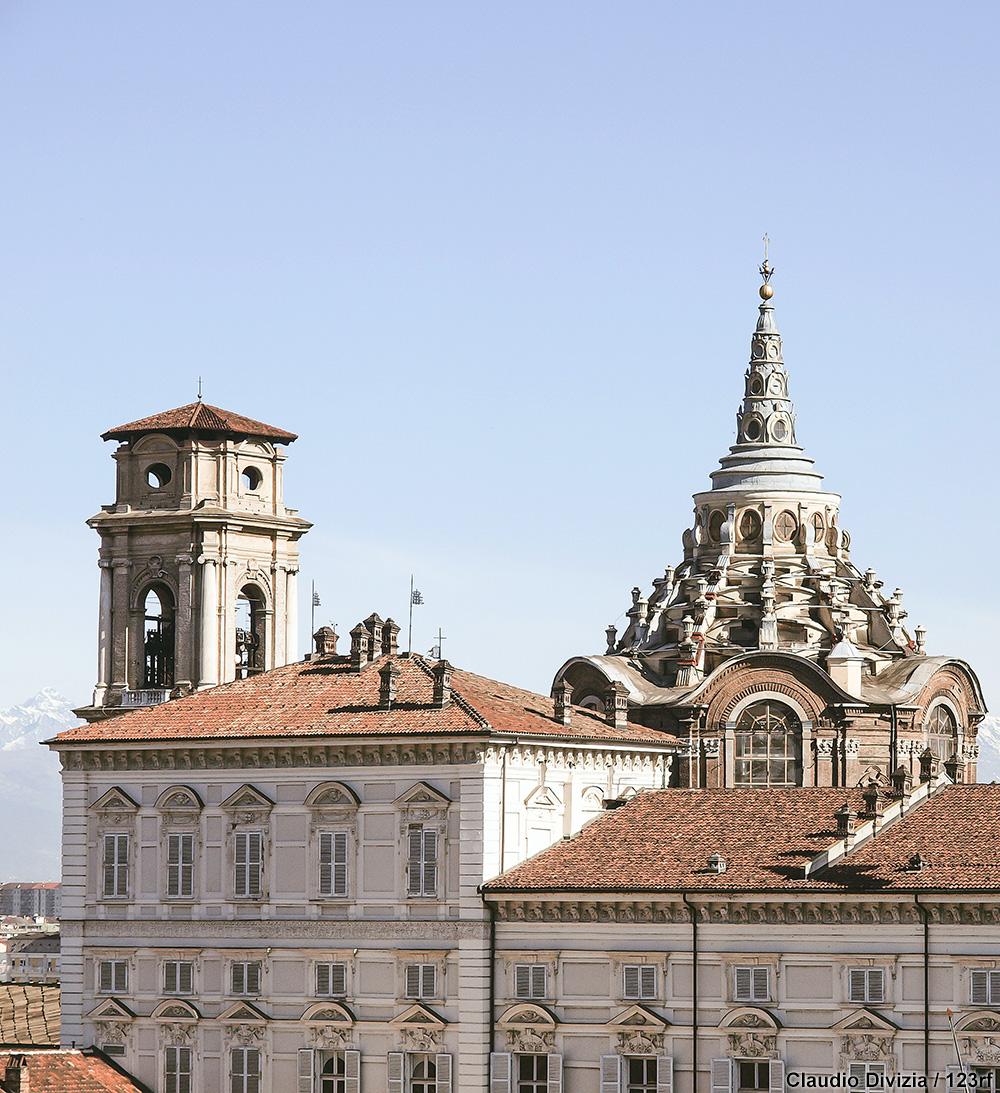
Between the Duomo and Palazzo Reale there is a chapel where the dark marble draws the eye upward to a dome that seems to grow ever lighter as it rises.
Read more
The Savoy family had owned the Shroud since 1453 and Charles Emmanuel I wanted to build a space to keep it. The project went through several phases in the seventeenth century, with Ascanio Vitozzi and Carlo di Castellamonte, until in 1667 Guarino Guarini stepped in, profoundly changing the construction. The dome is made up of six levels of superimposed arches, progressively narrower.
Severely damaged by a fire in 1997, after long and painstaking restoration work it was finally reopened in 2018.
Once you entered from the Duomo. Not any more: the chapel is part of the Musei Reali and you reach it from there, palace ticket in hand. We cannot tell you the reason, but Palazzo Reale is worth the detour anyway.
The Shroud came to Turin from Chambéry in 1578. From 1694 to 1993 it was kept in this very chapel, in the altar designed by Antonio Bertola.
According to Christian tradition, the cloth is said to be the burial shroud of Jesus. Today, however, it is kept in a chapel in the left aisle of the Duomo and is not normally on view to the faithful.
If the reason for your visit is linked to the Shroud, keep in mind two separate places: the cathedral, where the relic is kept, and the historic chapel, which tells how the Savoy family chose to house it.
-
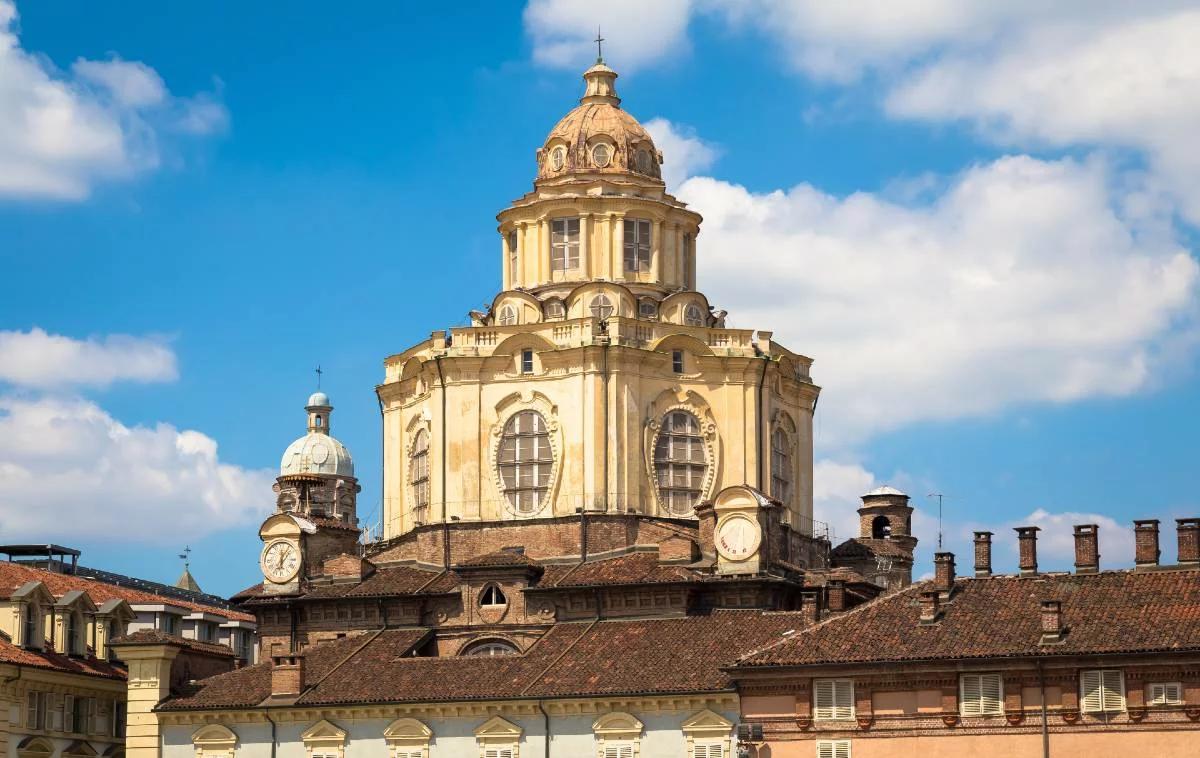 Chiesa di San Lorenzo
Next to Palazzo Reale, on piazza Castello, San Lorenzo almost seems to hide: it has no monumental façade of its own. Once you step inside, however, it is a completely different story.
Read more
The church was commissioned by the Savoy family and entrusted to the Theatines. Guarino Guarini developed the design from 1668; the dome was built mainly in the 1670s and the church was inaugurated in 1680.
The interior has a central plan, with chapels and cladding in marbles of different colours. But the most interesting thing happens above your head: eight large arches intertwine to form a star, while light enters through openings arranged on several levels. It is one of those domes you can look at for a long time, discovering a different relationship between the forms each time.
The name of San Lorenzo leads back to a story more than a century older than Guarini's design. On 10 August 1557, the saint's feast day, Emmanuel Philibert of Savoy won the battle of Saint-Quentin. The duke had vowed to dedicate a place of worship to him in the event of victory.
Before the present church existed, other religious spaces were used. The name of San Lorenzo thus preserves the memory of that promise, in which the duke's devotion and the history of the Savoy dynasty come together.
-
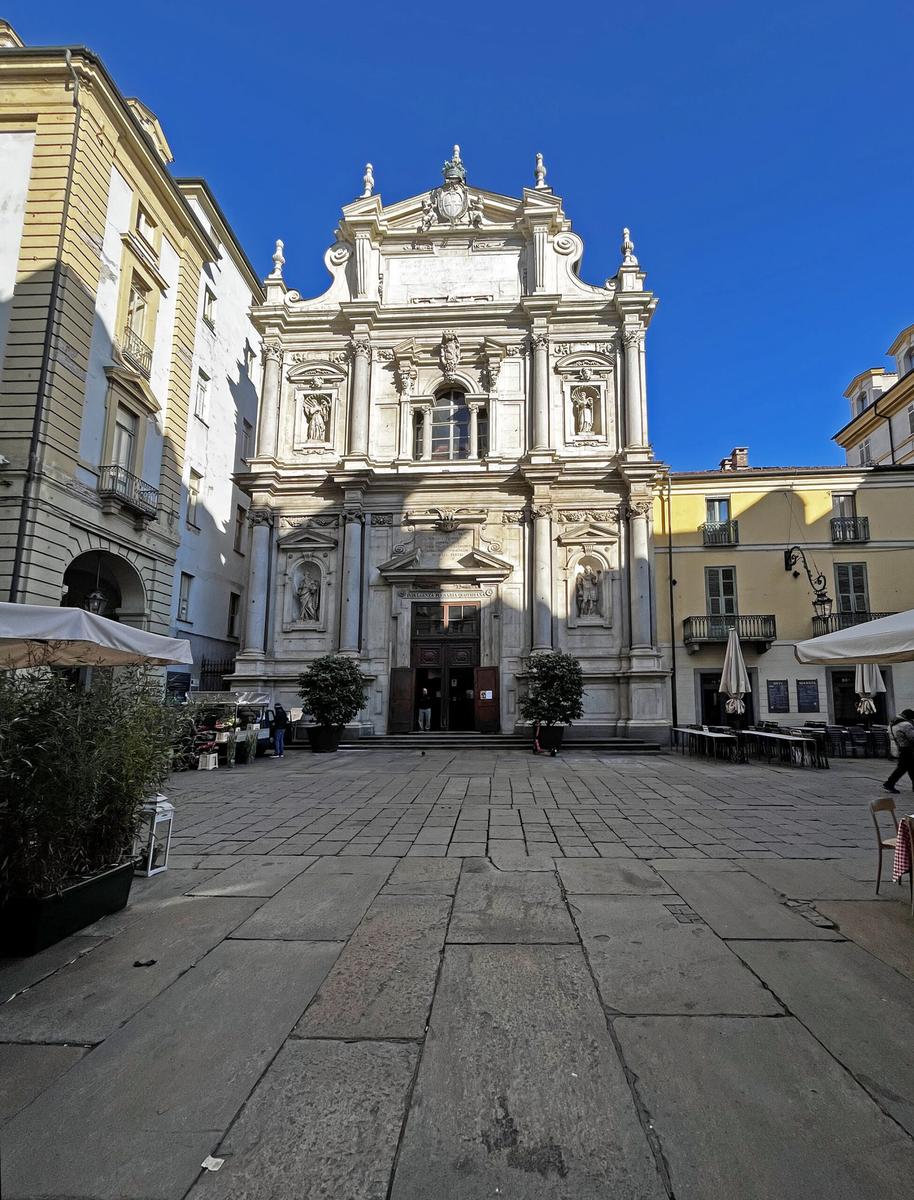 Corpus Domini
Basilica del Corpus Domini
In the floor of the Basilica del Corpus Domini there is a slab: it marks the spot where, according to tradition, on 6 June 1453 a consecrated host miraculously rose into the air. It had been stolen during a sack at Exilles and carried all the way to Turin. The church is tied to that story: the City commissioned it after a vow made during the plague of 1598. Ascanio Vitozzi designed its construction, begun in 1604 and continued for much of the 17th century, until the completion recorded in 1671. Carlo di Castellamonte worked on the design of the stone façade. Inside, the high altar in polychrome marble has four twisted columns; the altarpiece by Bartolomeo Caravoglia depicts the miracle and the frescoes on the vault recount three episodes of it according to religious tradition.
-
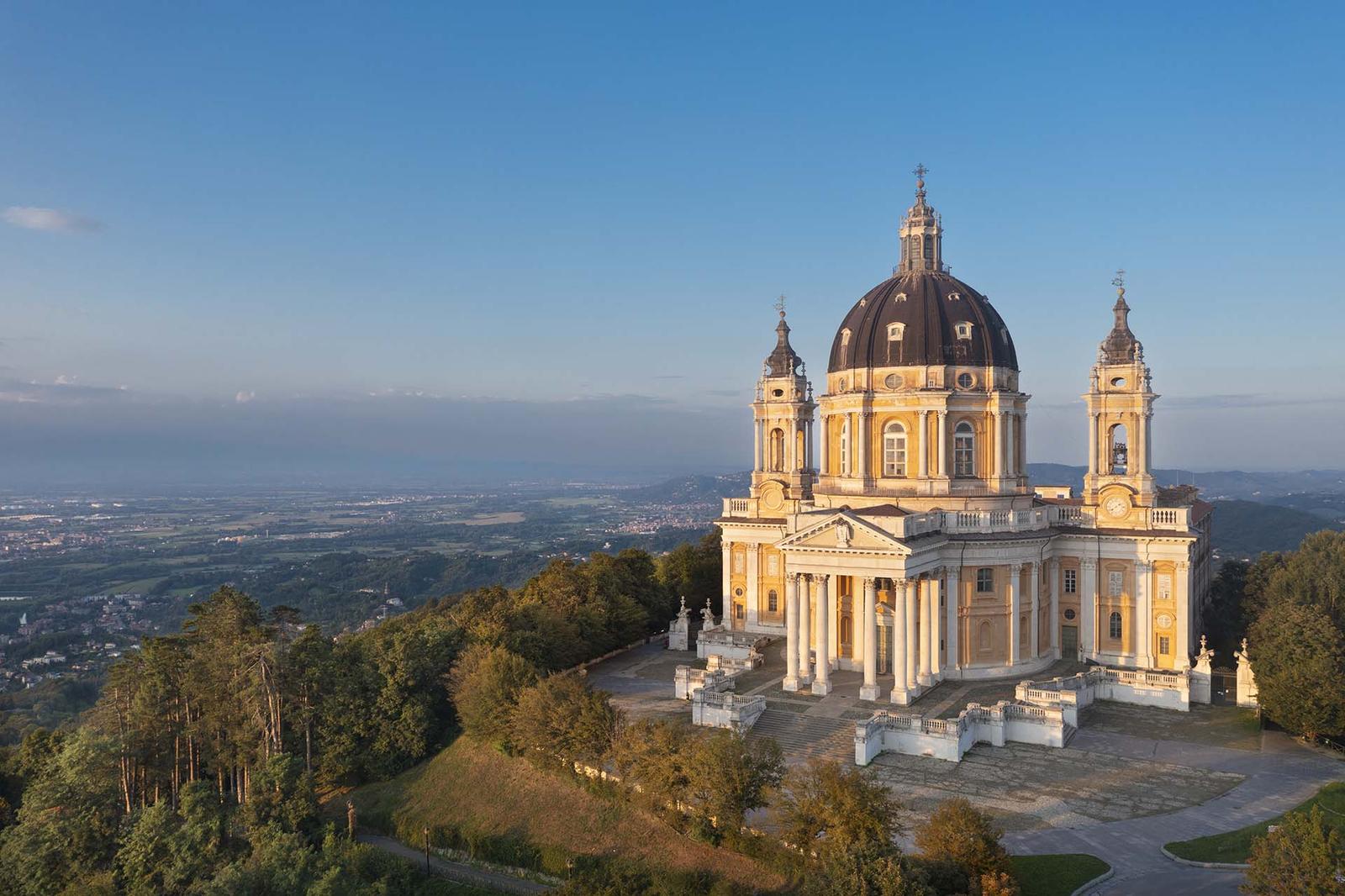 Basilica di Superga
 by public transport or car
«When Superga wears its hat, the weather will turn either bad or fine.»
If you look at the hill behind Turin, you will see a dome appear. It is Superga, 672 metres: one of the highest points of the Turin hills and the place where the people of Turin take their guests when they want to show them the whole city at once. The basilica was born of a promise: in 1706 Turin was besieged by the French and Vittorio Amedeo II vowed a church to the Madonna if the city were saved. It was saved, and Filippo Juvarra built the church between 1717 and 1731, with the columned pronaos in front, the great dome and the two bell towers. Behind it are the convent and, below, the Royal Tombs of the Savoy. If you can, go up on the rack tramway from Sassi: it goes slowly, crosses the woods and prepares you for the view. You can get there by car too, but the climb is already part of the visit.
Read more
The promise made by Vittorio Amedeo II to the Virgin Mary during the siege of Turin is at the origin of the basilica, but Superga has also become a place bound up with the memory of the Savoy dynasty.
In the crypt are the Royal Tombs, with the burials of many members of the House of Savoy. If you came up for the religious value of the sanctuary, this part of the visit adds the history of the family that wanted it built. Marian devotion and the memory of the monarchy meet in the same complex.
-
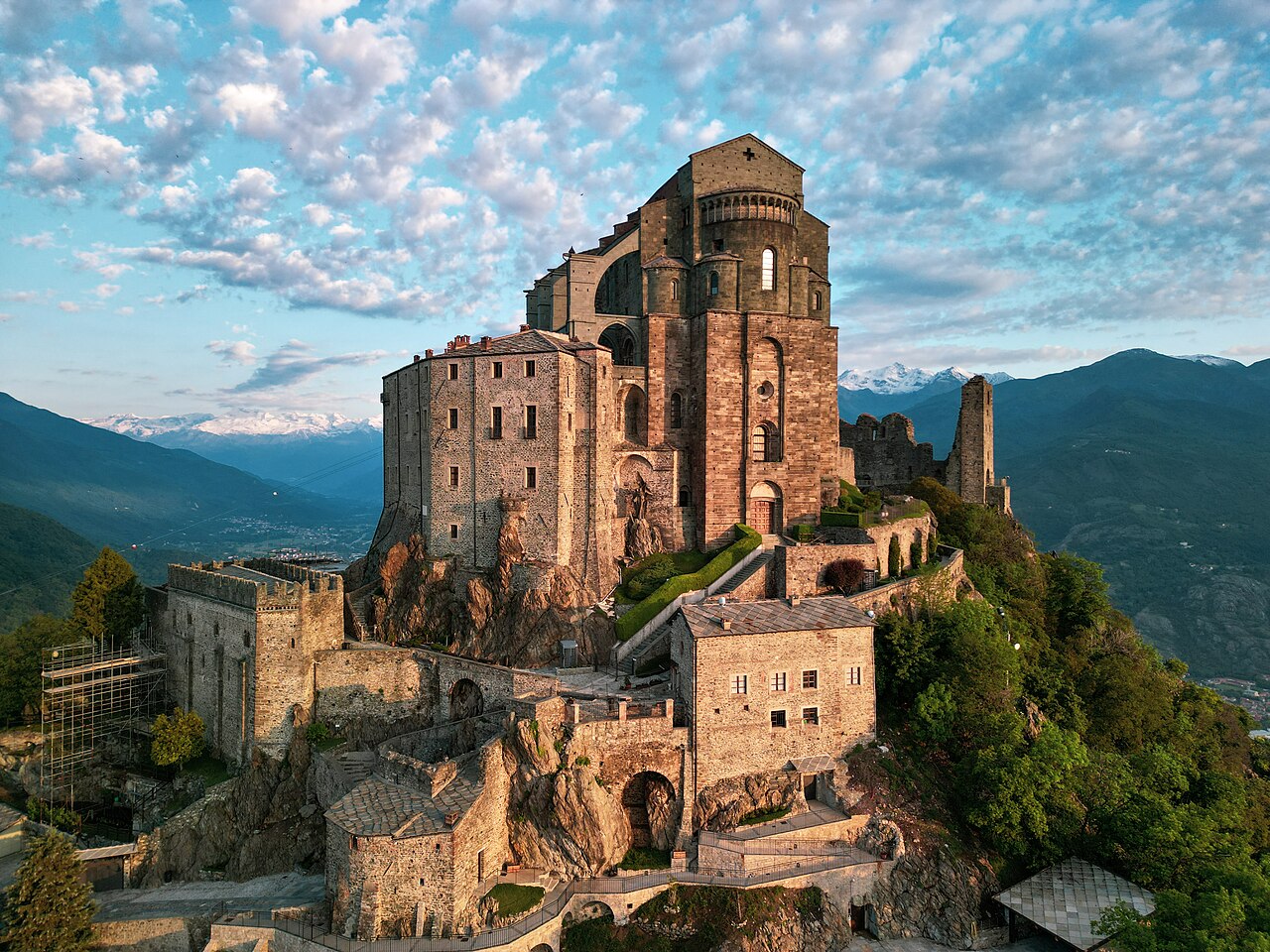 Sacra di San Michele
 by public transport or car
On the summit of monte Pirchiriano, at the entrance to the Val di Susa, the Sacra di San Michele dominates the valley. The visit goes from the Scalone dei Morti to the Portale dello Zodiaco, adorned with medieval sculptures, and passes through rooms from different eras. The abbey dates back to the late 10th century: it was a place of prayer and shelter for pilgrims crossing the Alps. The church, developed mainly between the 12th and 13th centuries, holds the tombs of members of the House of Savoy, moved here in the 19th century. A symbolic monument of the Piedmont Region, the Sacra is often cited among the inspirations for the setting of Umberto Eco's novel The Name of the Rose. Outside Turin, it requires a dedicated trip, by car or by train with the local connections available.
-
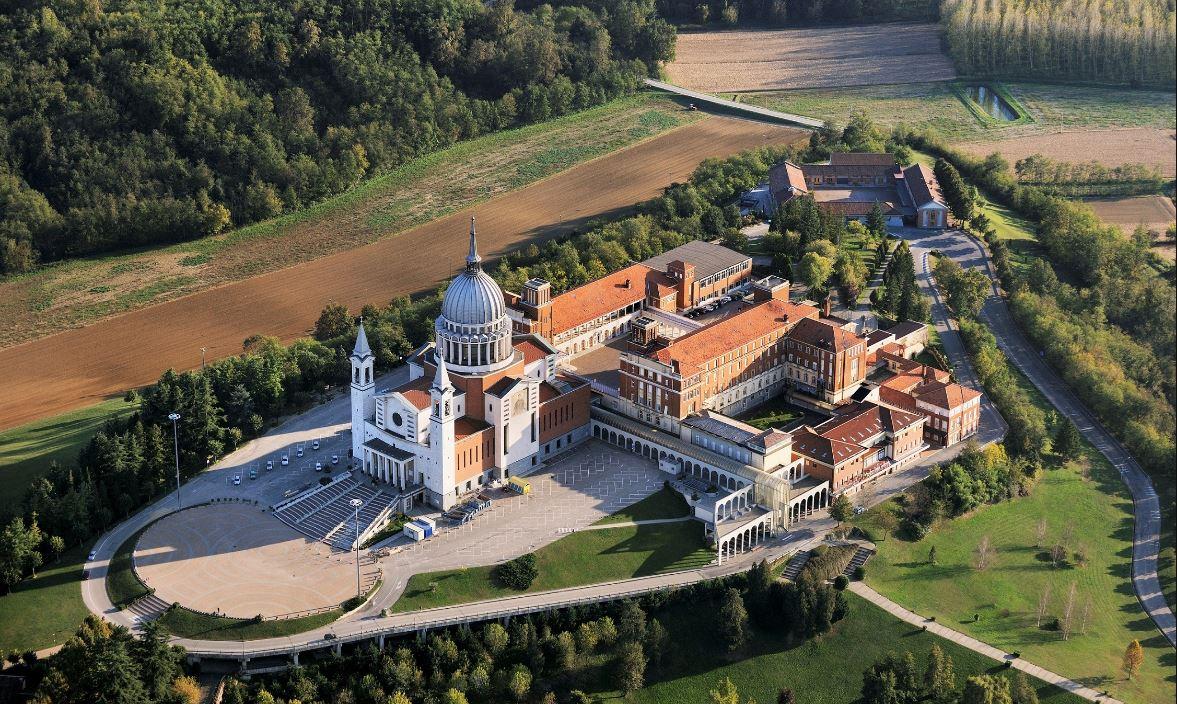 Colle Don Bosco
Among the hills of the Asti area, in the territory of Castelnuovo Don Bosco, you can still find the places of Giovanni Bosco's childhood: above all the small house where he lived with his family. He was born here in 1815. He became the founder of the Salesians and his educational work later developed in Turin, in the Valdocco district. Then there is the great Basilica di San Giovanni Bosco, built from 1961 onwards and completed in its upper part in 1984. It rises on two superimposed levels: at the top the church with the dome, below it the one that holds the saint's relics. It is a pilgrimage destination in the province of Asti: better to devote a separate trip to it, preferably by car.
The route
The map loads after consent to third-party content (OpenStreetMap).
These are the essential stops, but there is much more
When you book your stay with us you receive the complete step-by-step itinerary, a practical box with directions to get there and back, tips on what to see and a final treat to round off the themed day.