Turin can also be discovered without buying a ticket. We are not speaking only of squares and walks: there are museums, scientific collections and university spaces worth seeing also for the buildings that house them. In this itinerary we suggest a day among very different places.
From our B&B you first reach the Dora, with the Campus Luigi Einaudi and its contemporary architecture. Then you pass through the centre for the Museo della Radio e della Televisione Rai and continue towards the Valentino: in the Palazzo degli Istituti Anatomici three museums await you that tell, from different perspectives, the history of science, medicine and agriculture. You end at the Officine Grandi Riparazioni, where the spaces of the railway industry have found a new cultural life.
Allow six to seven hours, visits included. The route can be done on foot, but for the longer stretches, especially towards the OGR, we recommend public transport. Wednesday is the right day to enter all three scientific museums free of charge; the Museo Rai is normally free, as are the permanent installations of the OGR. Temporary exhibitions and events may have different conditions. Before setting off, check the information on the official websites.
On foot
-
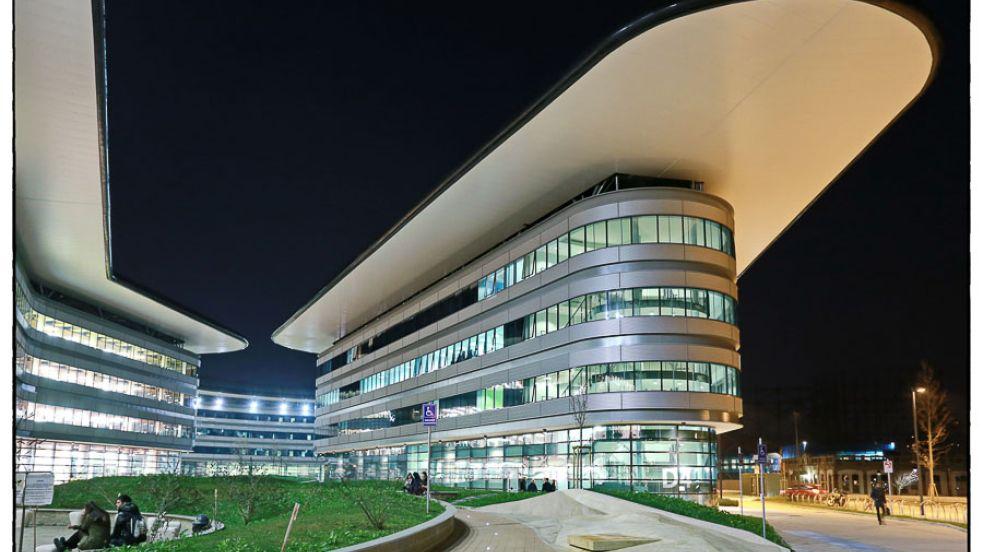 Einaudi university campus
Campus Luigi Einaudi
Along the Dora, where the Italgas plant once stood, today you come across the glass façades of the Campus Luigi Einaudi and a roof that seems to move in waves. Opened in 2012, it houses several departments of the University of Turin and the Biblioteca Norberto Bobbio. The design was the work of a team led by the firm Foster and Partners, with the participation of the Turin architect Benedetto Camerana.
Read more
The central square is circular: its shape recalls the gasometers of the industrial area. Walkways and porticoes connect the buildings, between the greenery and the river. The outdoor spaces open to the public let you follow the curves of the façades and the roof; in the other areas, since it is a working university, access may vary.
-
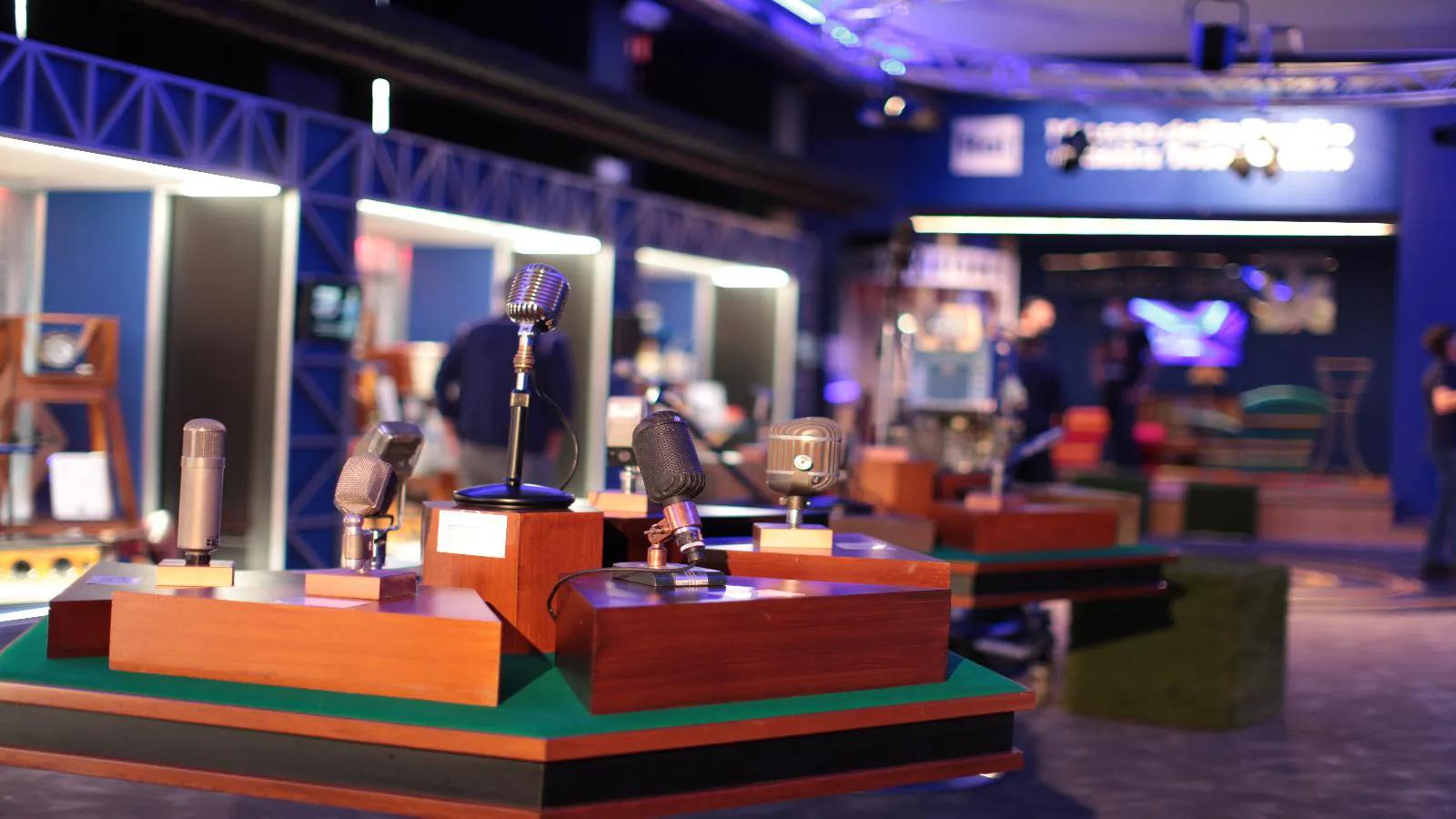 Rai museum
Museo della Radio e della Televisione
Here Rai is still at work: the Museo della Radio e della Televisione is housed in its Turin Production Centre, a few steps from the Mole Antonelliana. The route goes from the first telegraph equipment to radio and television, by way of sound recording. The collection brings together historic equipment, microphones, cameras, stage materials and objects linked to Italian radio and television programmes. The reconstructions of production environments and the interactive stations help you understand what happens behind the scenes. After the renovation of the spaces, the museum reopened to the public in August 2026.
Read more
Here ordinary admission is free, and the advantage is being able to enter a place devoted to the history of communications and entertainment, instead of stopping to look at the building from outside. There are also costumes linked to television personalities such as Raffaella Carrà and Mike Bongiorno, and objects that recall programmes known to generations of viewers.
-
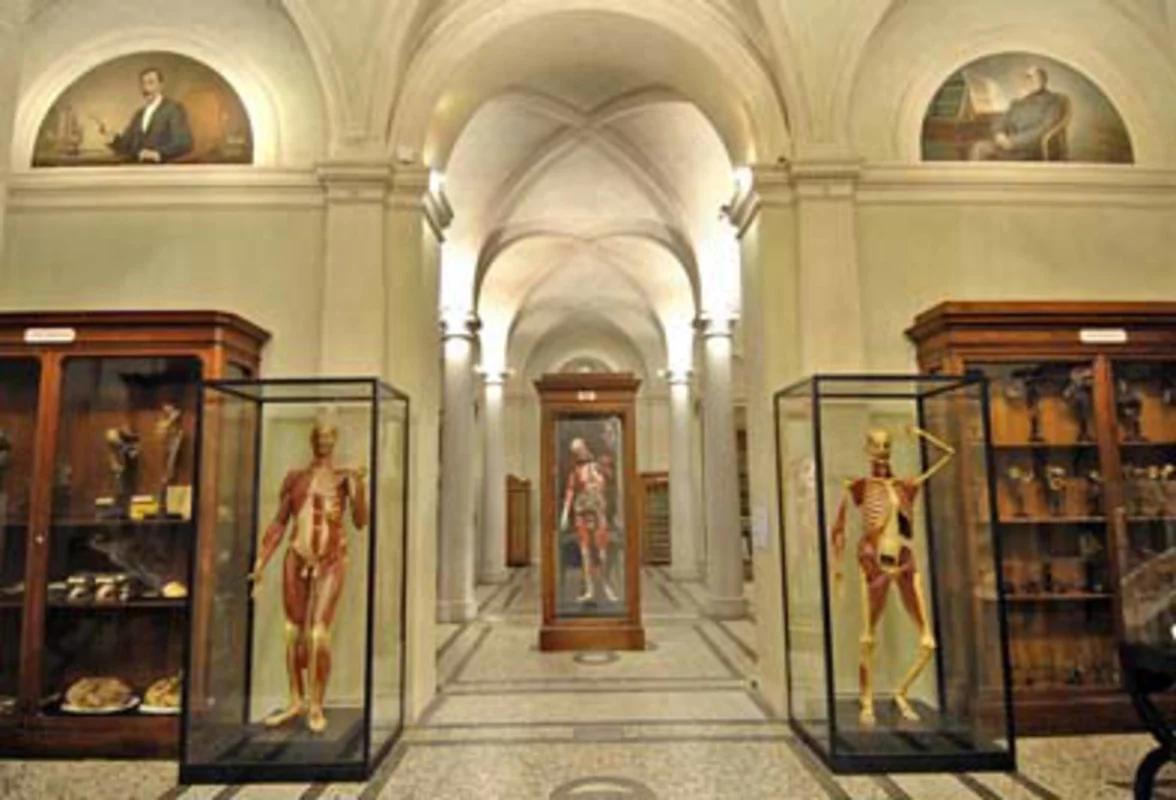 Museum of Human Anatomy
Museo di Anatomia Umana Luigi Rolando
Here the display cases are already part of the visit. Many are the original ones from the late nineteenth century, often without internal lighting and with few explanations: the Museo di Anatomia Umana Luigi Rolando has largely preserved the way scientific collections were exhibited at that time.
Read more
Inside you find skeletons, dry and liquid-preserved anatomical specimens and models in wax, wood and other materials. The anatomical waxes deserve attention: they were used to teach medicine before more effective techniques for preserving specimens became widespread. The origins of the Turin anatomical school date back to 1739; since 1898 the museum has been housed in the Palazzo degli Istituti Anatomici, near the Valentino. On Wednesdays admission is free.
-
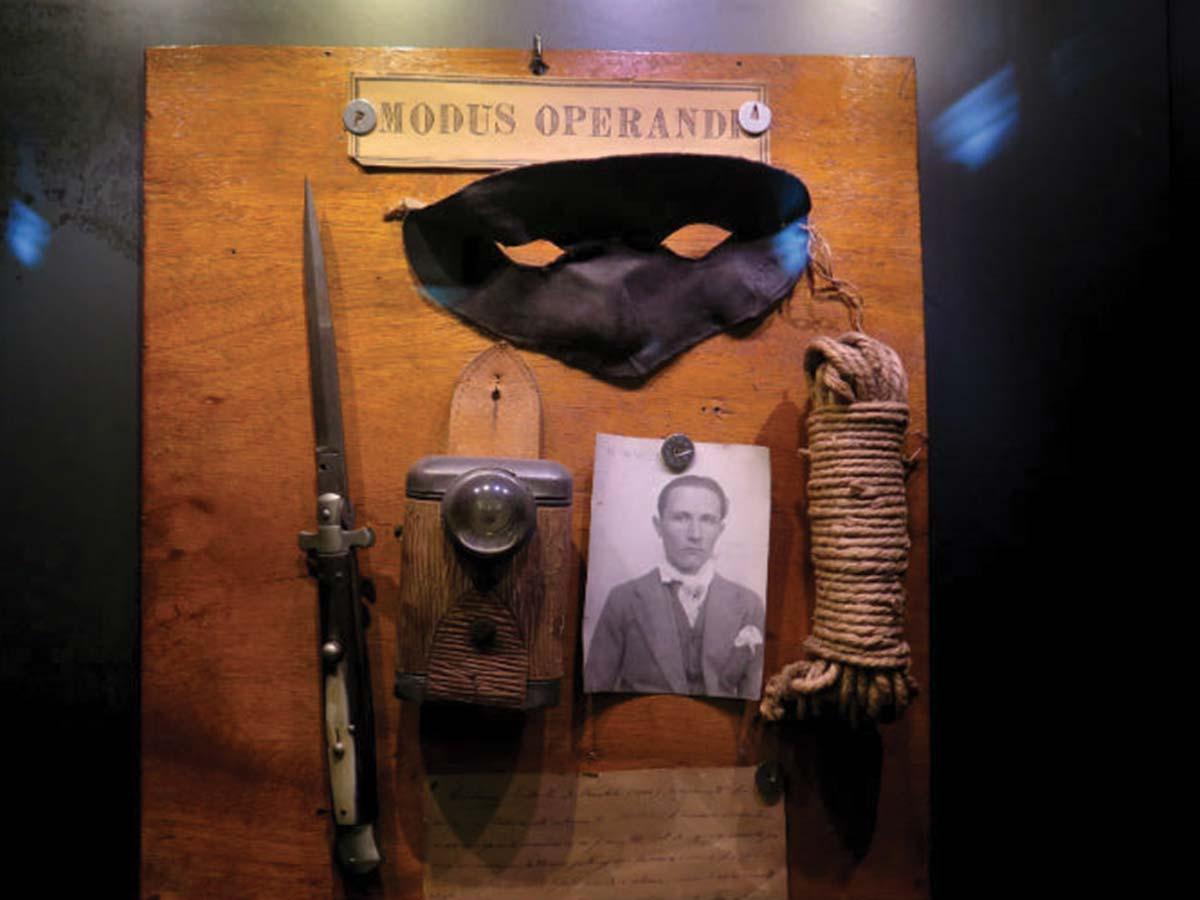 Cesare Lombroso museum
Museo di Antropologia Criminale Cesare Lombroso
Skulls, anatomical specimens, photographs, drawings and objects that also came from prisons and asylums: these are the materials of the Museo di Antropologia Criminale Cesare Lombroso. Many are kept in the historic display cases, next to instruments that help you understand their context.
Read more
Founded in 1876 by the physician and anthropologist Cesare Lombroso, the museum preserves documents and specimens on criminal anthropology, which sought links between physical characteristics and criminal behaviour. Lombroso's theories, which gave great weight to anatomical features, have largely been refuted. Here they are not presented as valid science, but as part of the history of medicine, of criminology and of the relationship between science and society. The visit makes you reflect on the limits of science and on the prejudices that can influence it. Admission is free every Wednesday.
-
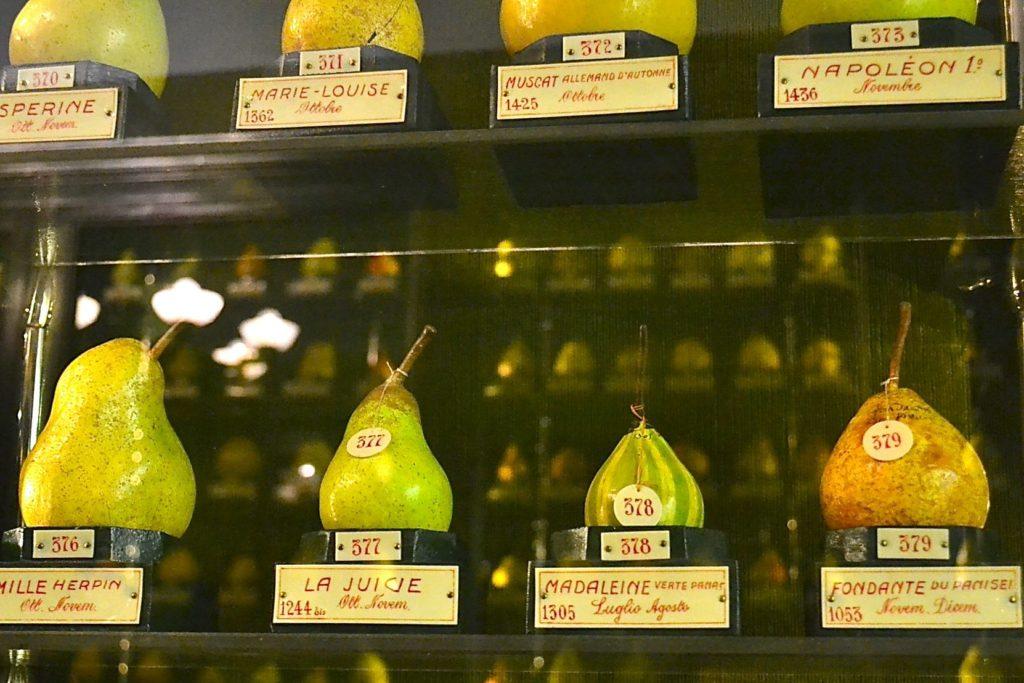 Fruit museum
Museo della Frutta Francesco Garnier Valletti
Apples, pears, peaches and plums look like real fruit, but they are reproductions. At the Museo della Frutta Francesco Garnier Valletti you will find over a thousand artificial models, made in the second half of the nineteenth century by the craftsman who gives the collection its name, who specialised in reproducing botanical varieties.
Read more
The shapes, colours and peculiarities of the different cultivars are rendered with care. They were not merely decorative objects: they made it possible to study and document fruit that, in its natural state, would not have kept for long. The collection thus offers a comparison between the fruit growing of that time and the one we know today, in cultivation as in consumption. Opened in 2007, the museum also preserves materials and instruments from the Regia Stazione di Chimica Agraria, established in Turin in 1871. Admission is free every Wednesday.
-
 OGR
OGR Torino
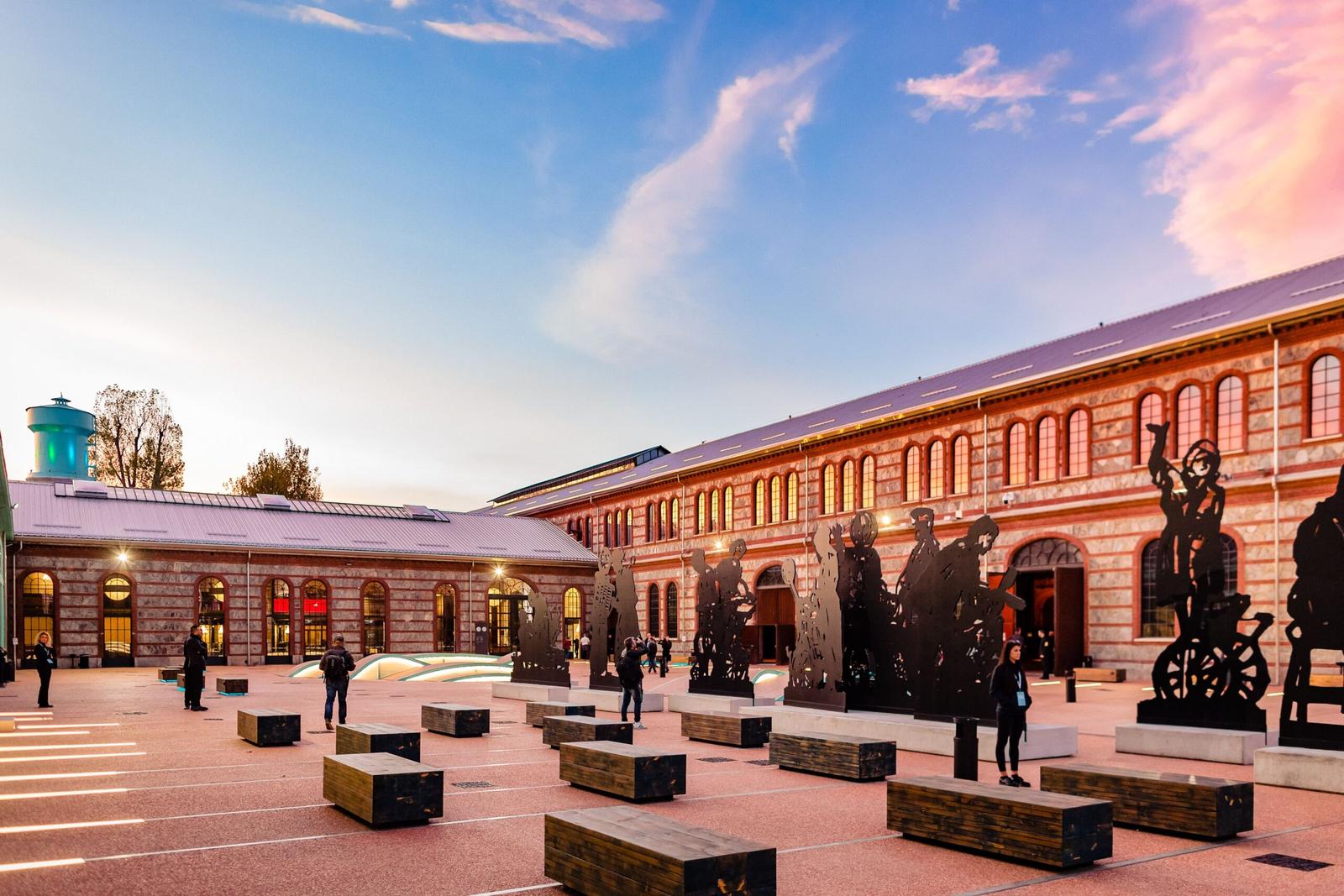
Entering the OGR Torino, the size of the spaces and the brick structures still tell of their first purpose. The complex was built at the end of the 19th century for the maintenance and repair of trains. Once the railway activity ended, it was recovered and reopened in 2017, becoming a venue for contemporary culture and innovation, with exhibitions, installations, concerts and talks.
Read more
What makes this history concrete has stayed on the floor: in some spaces you can still see the original tracks on which the locomotives came in. There is no need to imagine from scratch what that work was like, because a trace has remained there, in the middle of halls that have changed function. It is one of the stops where industrial Turin and contemporary Turin meet most clearly.
Even without a ticket there are permanent works to see. In the Corte Est you will find Procession of Reparationists, the metal figures made by William Kentridge in 2017; at the entrance of OGR Cult there is Track, the large mural painting by Arturo Herrera. These works are free during the opening hours of the spaces; temporary exhibitions and events may instead require a ticket or a booking.
These are the essential stops, but there is much more
When you book your stay with us you receive the complete step-by-step itinerary, a practical box with directions to get there and back, tips on what to see and a final treat to round off the themed day.