Day 2
On foot Walking: 5.8 km, 1 h 28 min
-
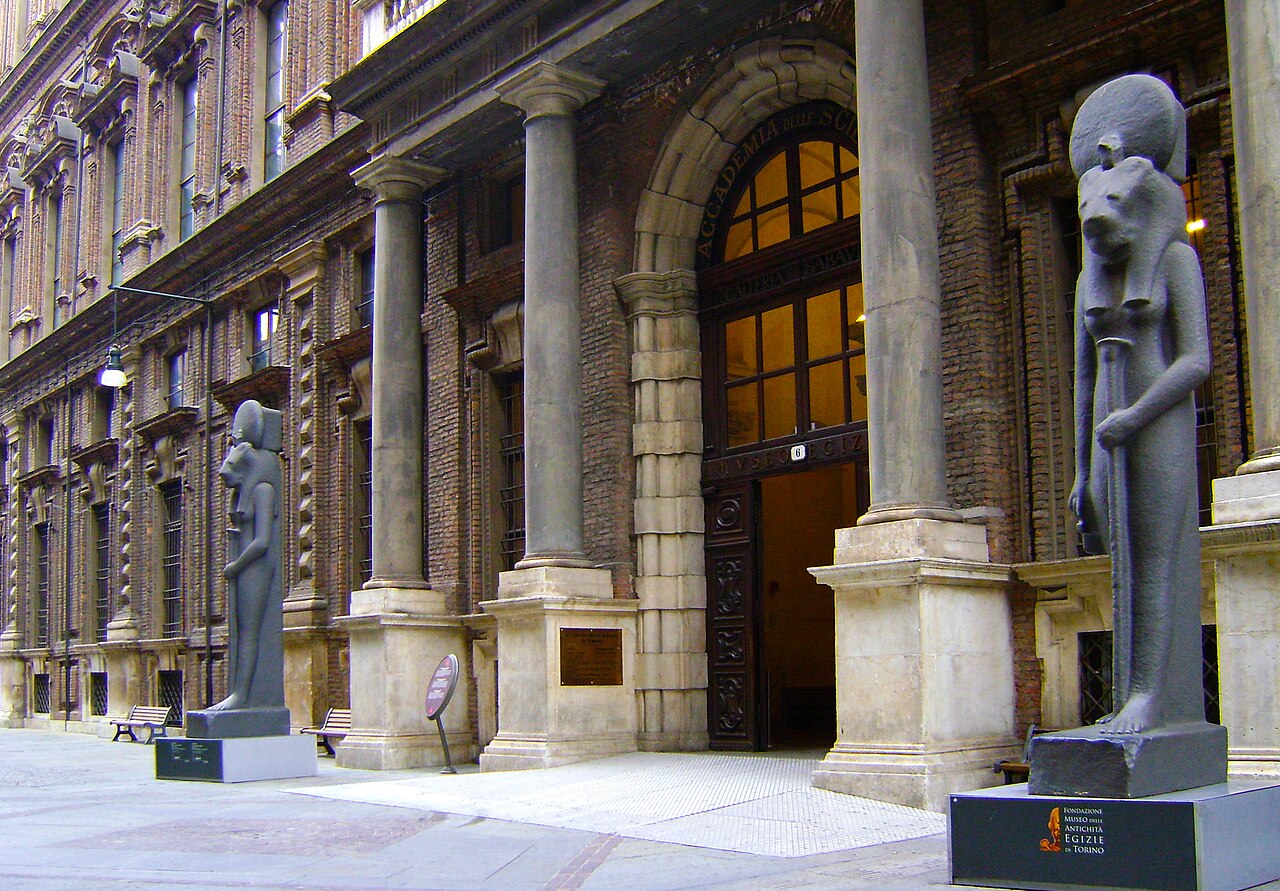 Museo Egizio
The Museo Egizio of Turin is housed in the Palazzo dell’Accademia delle Scienze, the imposing seventeenth-century building whose construction began in 1679 under the architect Michelangelo Garove, based on the original design by Guarino Guarini.
Today around 6,500 archaeological finds are on display in the Museum, but more than 26,000 are kept in storage. The finds cover a period ranging from the Palaeolithic to the Coptic era, that is, the era of the native Egyptian Christians. The Museo delle Antichità Egizie of Turin is considered, for the value of its finds, the most important Egyptian museum in the world after that of Cairo. It is therefore worth visiting to admire the testimonies of one of the greatest civilisations in human history -
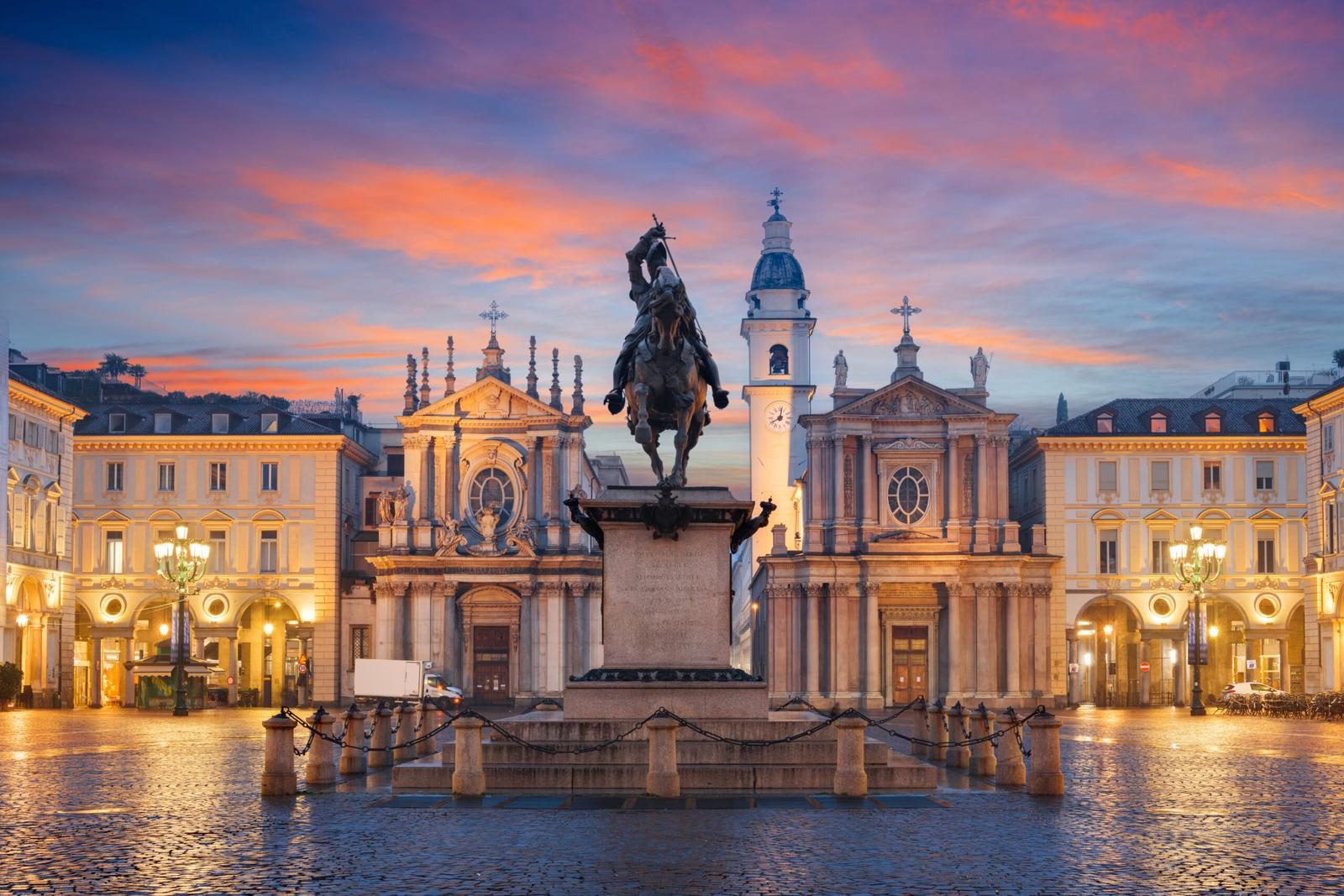 Piazza San Carlo in Turin
Piazza San Carlo
Piazza San Carlo is the «drawing room of Turin», as the Turinese traditionally call it. With its wide porticoes and regular façades, it has that orderly air that invites you to walk through it unhurriedly.
Read more
It was designed by Carlo di Castellamonte and construction began in 1637. On the southern side stand the twin churches of San Carlo Borromeo and Santa Cristina; the façade of the latter was designed by Filippo Juvarra and built between 1715 and 1717.
In the centre of the square, the nineteenth-century equestrian monument by Carlo Marochetti depicts Emmanuel Philibert and commemorates the victory of Saint-Quentin in 1557. For the Turinese it is simply 'l caval 'd brôns, the bronze horse.
-
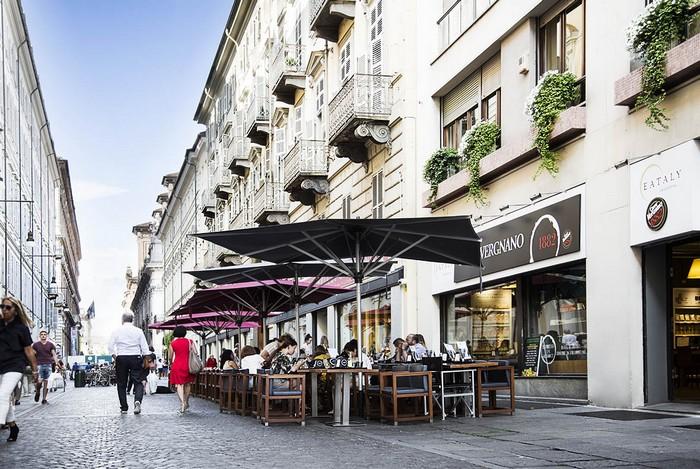 Via Lagrange
Via Lagrange invites you to look at the shop windows at your leisure: about 665 metres free of car traffic, among fashion boutiques, big international brands, multi-brand shops and stores such as la Rinascente and Eataly. Pedestrianisation, begun in 2008, encouraged this transformation; the street was once called Contrada dei Conciatori.
Read more
The present name recalls Giuseppe Luigi Lagrange, the mathematician and astronomer born right here in 1736. At number 1/A you will find the shop of Guido Gobino, for gianduiotti, cremini and other specialities of Turin chocolate. Compared with via Roma, everything feels more intimate: the shop windows alternate with the façades of the buildings, to be admired without having to worry about cars.
-
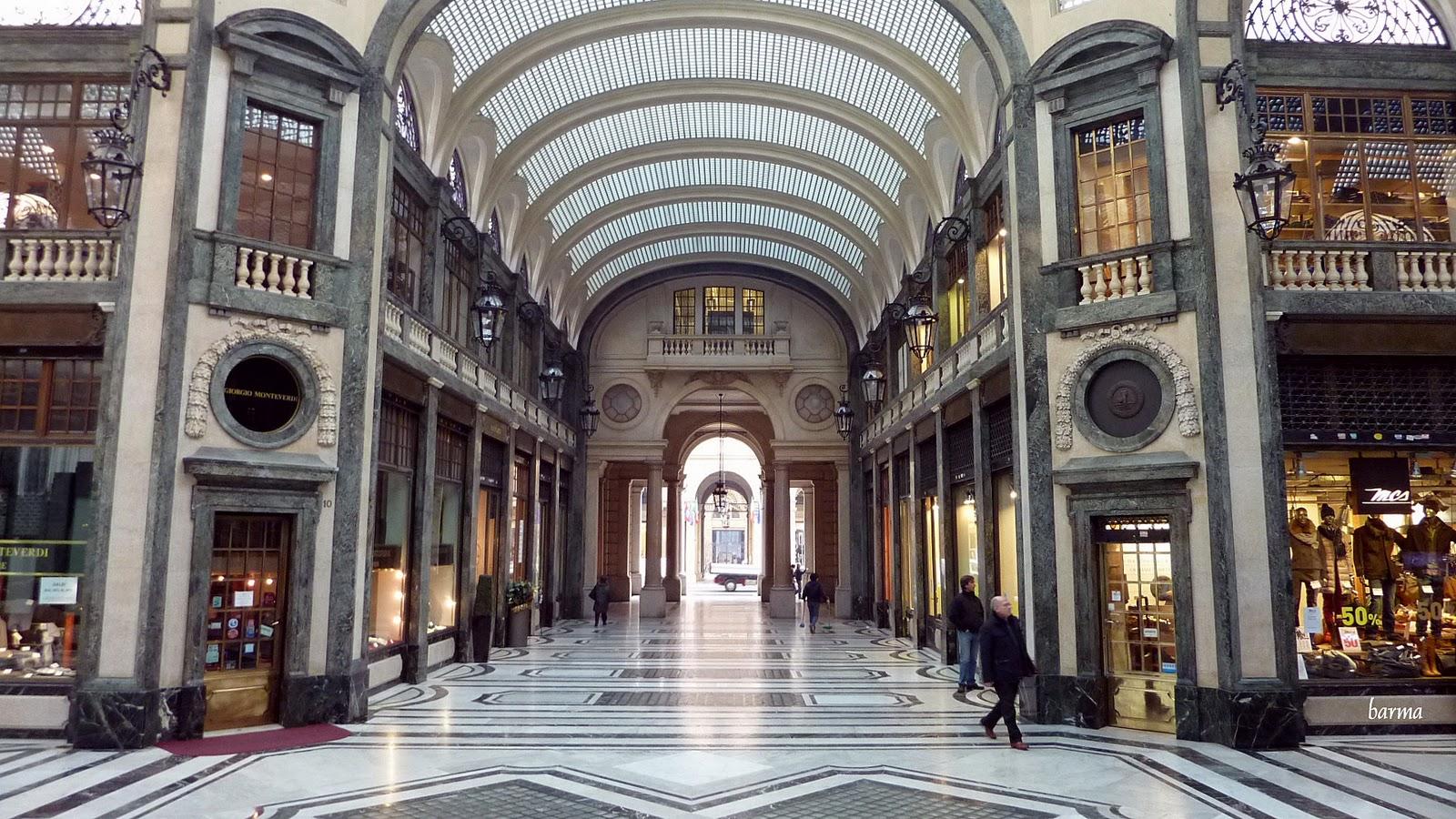 Galleria San Federico
From via Roma you enter a T-shaped space, with shops on the ground floor and offices on the upper levels. The Galleria San Federico links via Roma to via Bertola and via Santa Teresa: it was built in 1933, during the reconstruction of via Roma, to a design by the engineers Giovanni Canova and Vittorio Bonadè Bottino. The name takes up the old name of the block.
Read more
The geometries and decorations reflect the taste of the 1930s; above, glass-block roofing and domes at the entrances. There is also a cinema: the Lux, opened in 1934 as the Rex, then called the Dux and finally the Lux since 1945. The entrance and the decorations deserve a look even if you are only passing through.
-
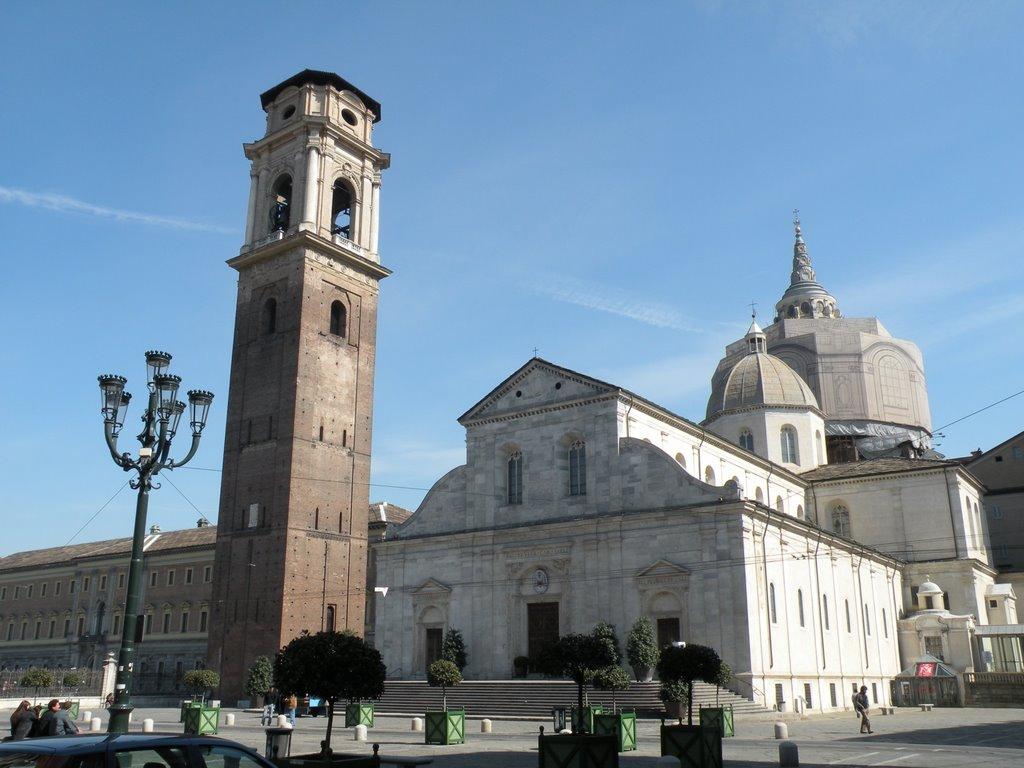 Bell tower of the Duomo
Duomo di San Giovanni Battista
Among the Baroque buildings that surround it, the white marble façade of the Duomo is immediately recognisable: three portals and a look that differs from the rest of the square. The cathedral, dedicated to St John the Baptist, stands next to the Musei Reali and was built between 1491 and 1498 to a design by Meo del Caprina. It is one of the landmarks of Renaissance religious architecture in Turin. In the 17th century the complex was enlarged with the Cappella della Sacra Sindone, designed by Guarino Guarini between the Duomo and Palazzo Reale. Today the cloth is kept in a chapel of the left aisle, beneath the Tribuna Reale, and is normally not on view.
-
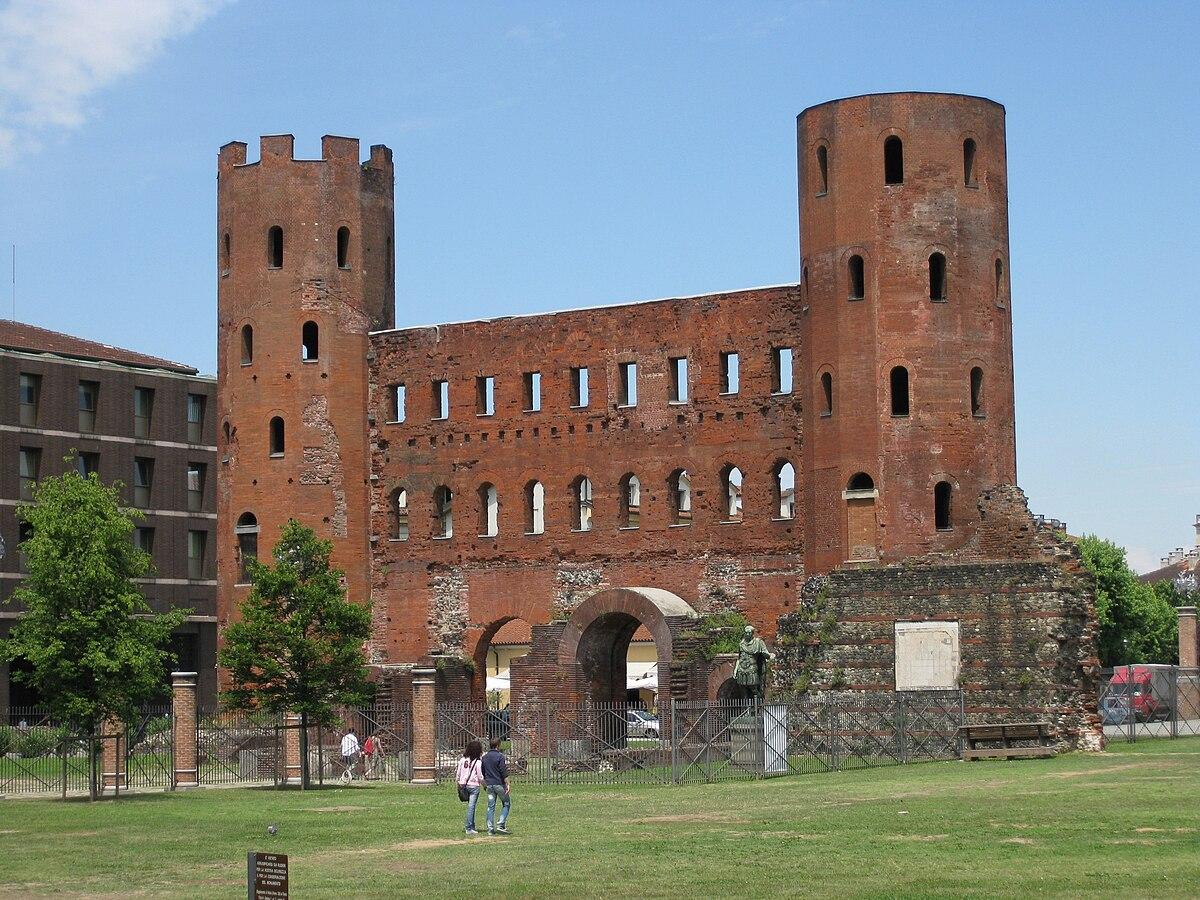 Porta Palatina
The two polygonal towers dominate the Porta Palatina, but it is the four openings that tell of its use: the two larger ones served carts, the two smaller ones pedestrians. They are joined by a central brick body that preserves a good part of the monumental structure.
Read more
Built in the early imperial age, the gate was the northern entrance to Augusta Taurinorum; originally it also included a fortified inner courtyard, where those entering the city were checked. A short distance away you find the remains of the Teatro Romano and the Museo di Antichità, part of the Musei Reali. The museum gathers archaeological finds from Turin and Piedmont and Etruscan, Greek and Roman collections, including the silverware of the Tesoro di Marengo, from the 2nd-3rd century AD, and the materials from the Etruscan tomb of the Matausni family.
-
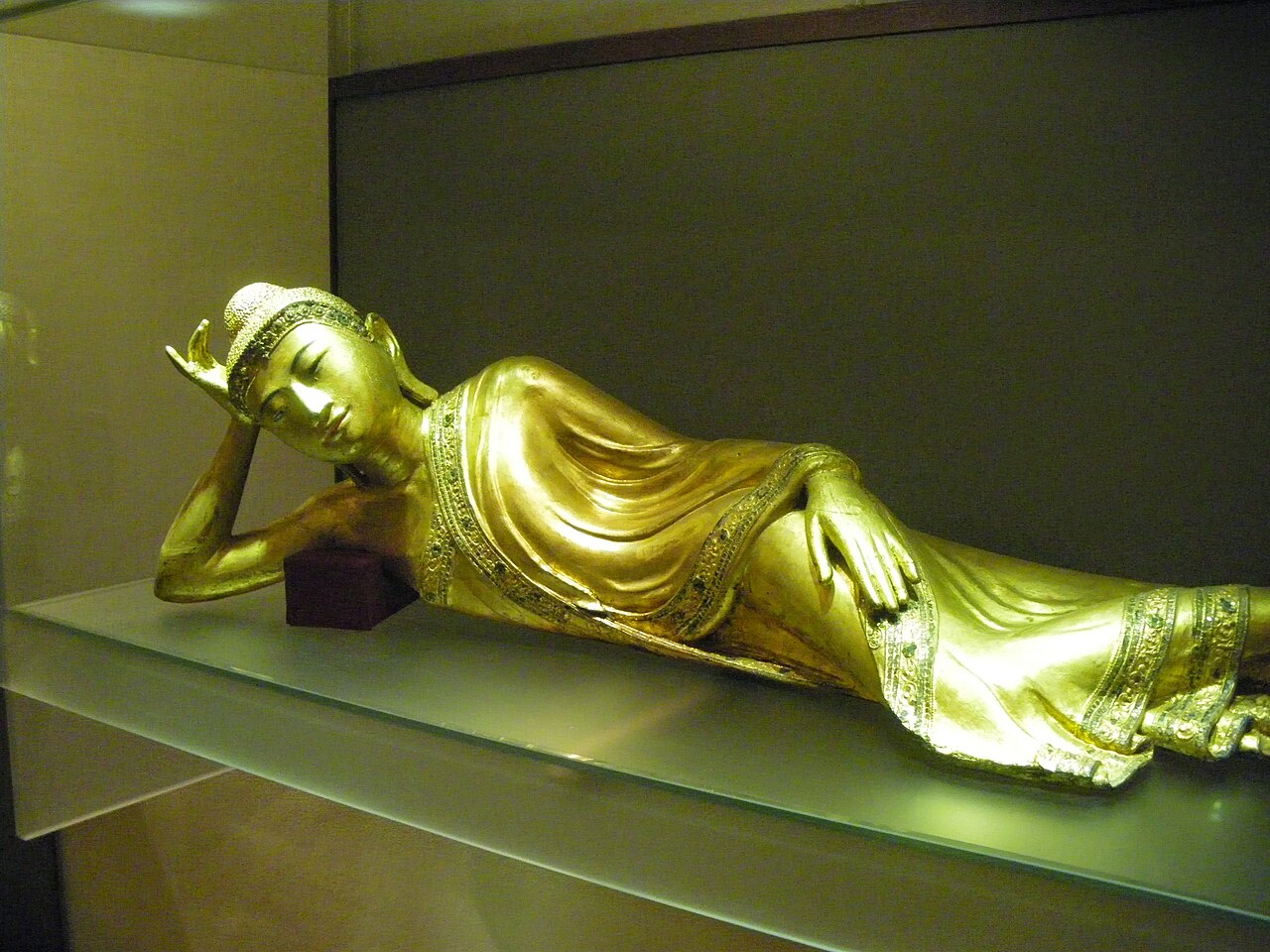 Museo di arti orientali Mao
Turin is famous for its historic palaces, monuments and places of interest. Within its rich cultural landscape stands out one of the most recent museums opened in the city: the MAO, Museo d'Arte Orientale, whose history began only in 2008. Since its opening, the brand-new museum has been a huge success, precisely because of the unique character of its exhibition, which includes exclusively works of art from Asia. The Museo d'Arte Orientale in Turin is the perfect place for anyone interested in the Asian world and its artistic production. Indeed, what made it possible to plan the creation of such an exhibition space was precisely the wish to bring an ever greater number of people closer to an art form so different from ours and, for that reason, often unknown
-
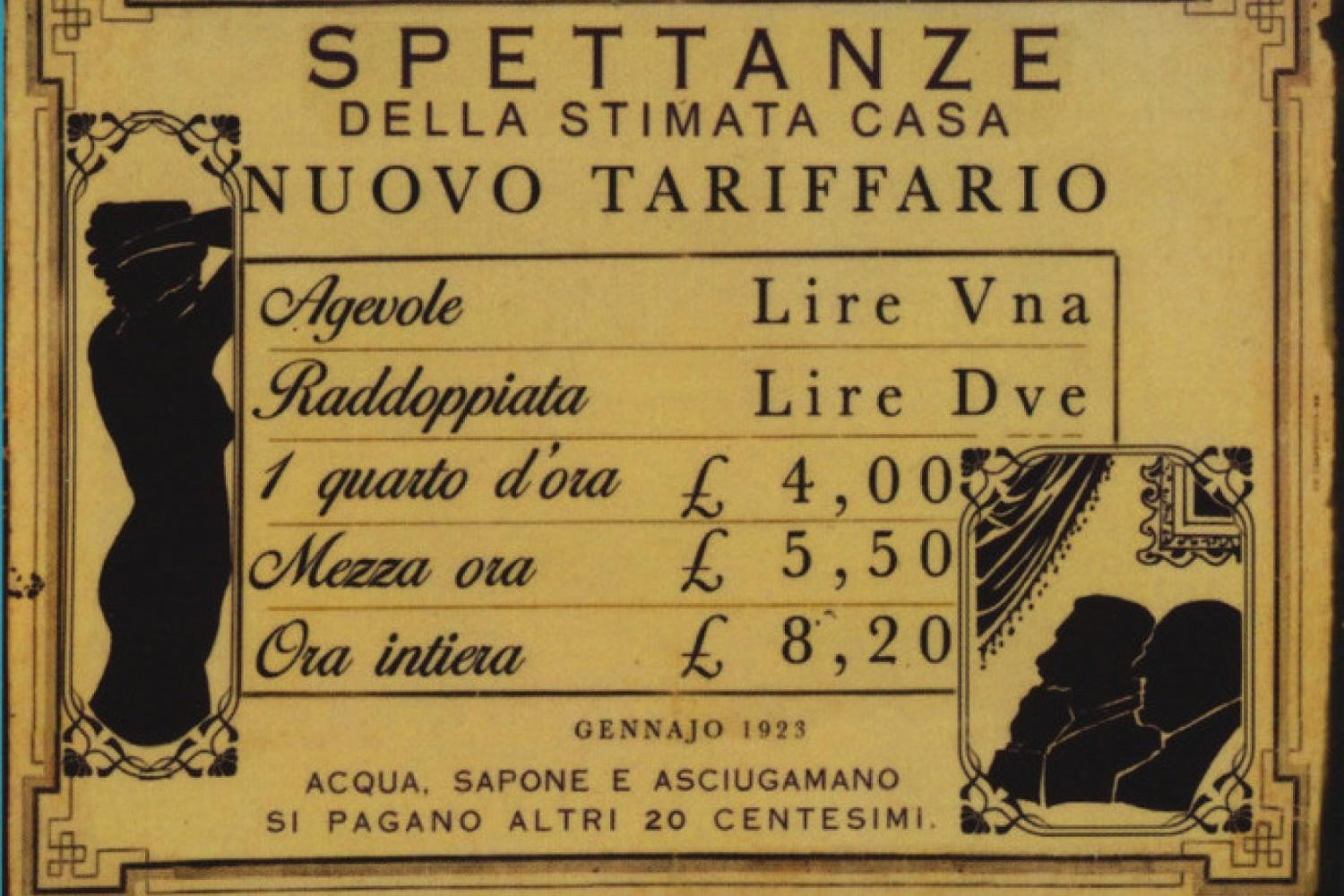 Quadrilatero Romano
On the edge of the Porta Palazzo market, but also of Via Garibaldi. The Quadrilatero of Turin is the hidden centre of the city, made of narrow lanes and small squares. A tangle of narrow, very crowded streets, the Quadrilatero was in ancient times the castrum of Augusta Taurinorum. The slightly Parisian heart of the city, but done our way. It is home to some of the best-known traditional restaurants in Turin, but also to international cuisine. If you want to eat out or have a drink without a precise idea in mind, you just need to wander around a bit to find the place that suits you.
The route
The map loads after consent to third-party content (OpenStreetMap).
These are the essential stops, but there is much more
When you book your stay with us you receive the complete step-by-step itinerary, a practical box with directions to get there and back, tips on what to see and a final treat to round off the themed day.