The 4th day
On foot Walking: 8.3 km, 2 h 4 min
-
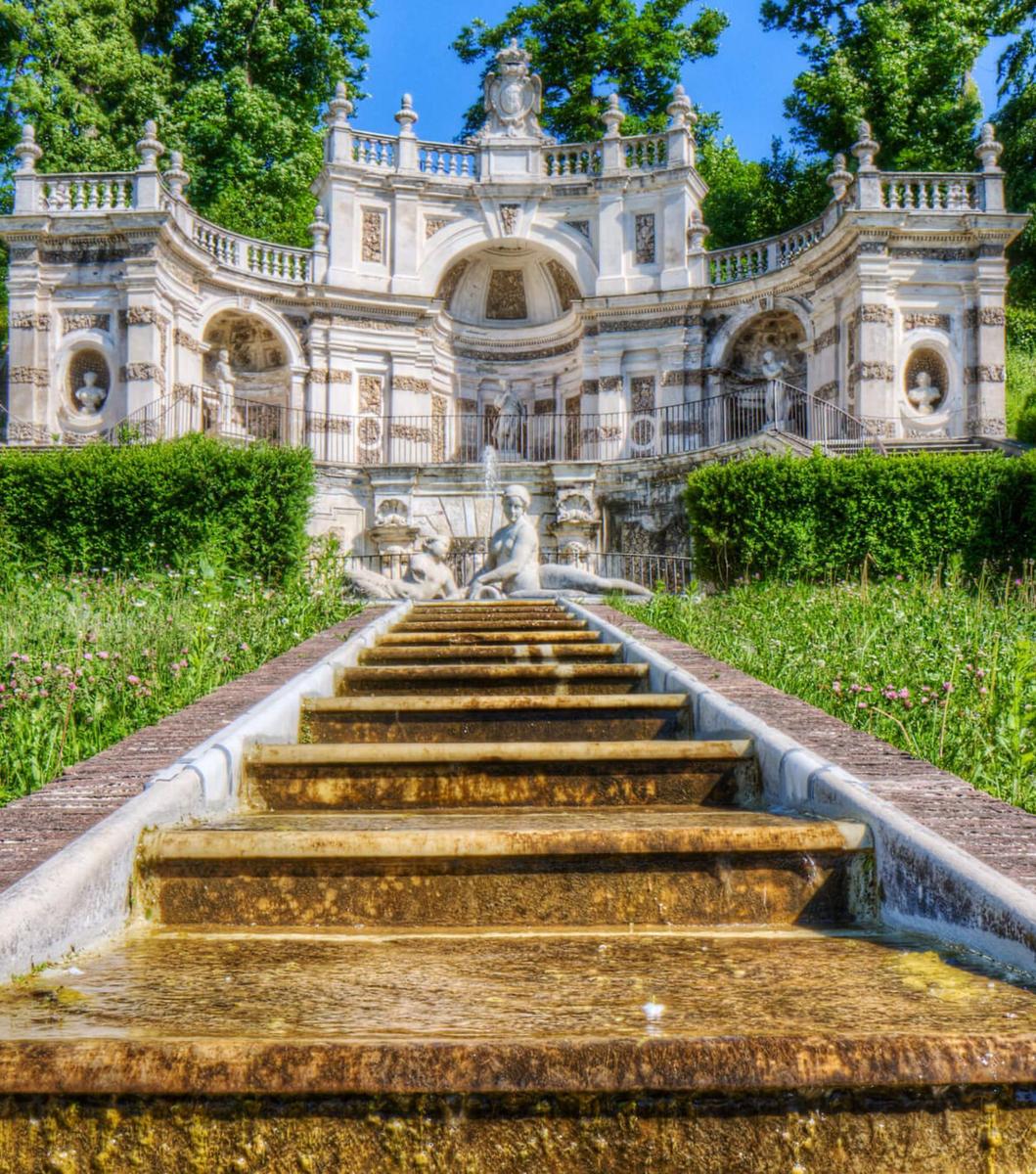 Villa della Regina
The first thing that strikes you on arriving at Villa della Regina is the layout of the gardens: terraces, flights of steps, fountains and pavilions, with a historic vineyard alongside, restored and once again productive. The villa is part of the Corona di Delizie, the group of Savoy residences intended for court life and holidays in the surroundings of Turin.
Read more
Prince Cardinal Maurizio di Savoia commissioned it in 1615; enlarged and transformed over time, it became one of the residences of Savoy princesses, duchesses and queens. In the eighteenth century, partly thanks to the work of Filippo Juvarra, the royal apartments and the great hall were enriched with decorations and furnishings of European taste, with exotic motifs and precious workmanship.
-
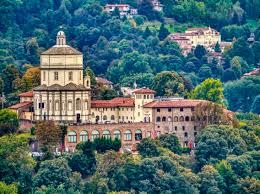 Monte dei Cappuccini
A short climb from the area of the Gran Madre di Dio takes you to the forecourt of the Monte dei Cappuccini, on the right bank of the Po. From here you look down on Turin from above, with no need to go inside anywhere: the forecourt in front of the church is the main public viewpoint.
Read more
On the summit stand the church of Santa Maria al Monte and the convent of the Capuchin friars. The church, recognisable by its dome and central plan, was begun at the end of the sixteenth century to a design by Giacomo Soldati; work continued in the seventeenth century with the contributions of Ascanio Vitozzi and Carlo di Castellamonte. The friars of the convent also carried out relief work during epidemics, including the plague of 1630.
-
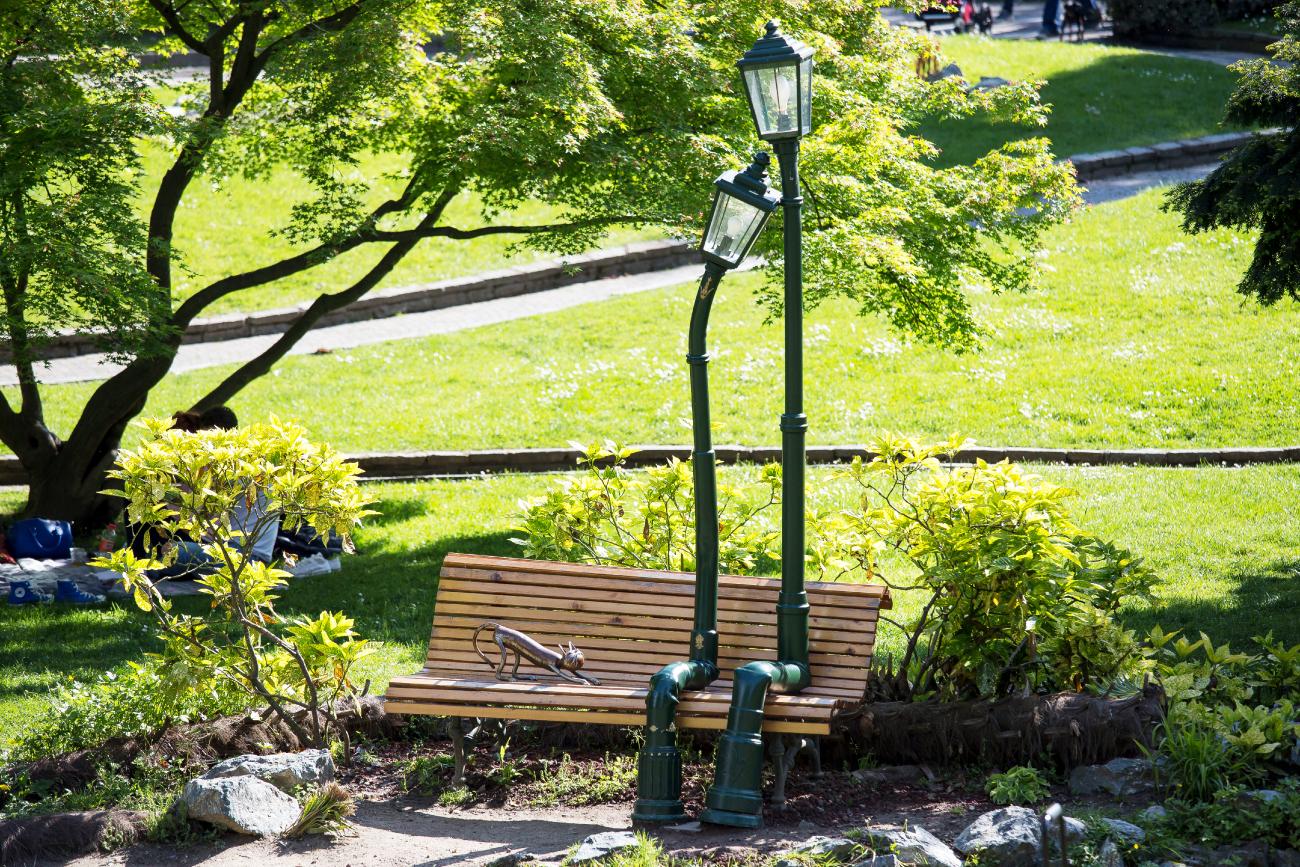 Parco del Valentino
At the Valentino you can walk a good stretch with the Po beside you. The park follows the left bank of the river, in the San Salvario district, among tree-lined avenues, lawns and some of Turin's best-known monuments. The Fontana dei Dodici Mesi has statues and water features; the Borgo Medievale was built for the Esposizione generale italiana of 1884, recreating a fifteenth-century Piedmontese village. Then there is the Castello del Valentino, a former Savoy residence overlooking the Po, today used by the Politecnico di Torino for activities related to architecture. The park can be walked freely, while access to the individual buildings follows their respective opening arrangements. Even without going in, the walk deserves the time you give it.
-
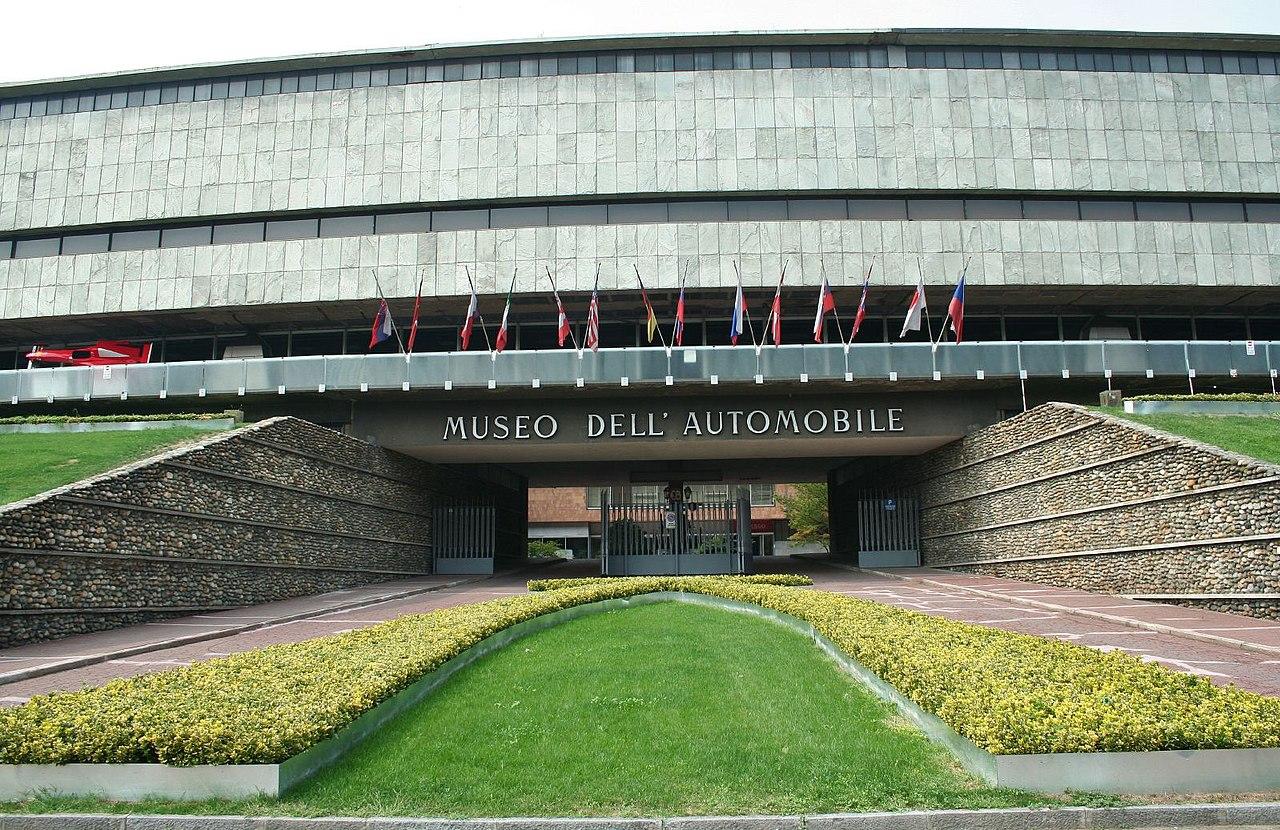 Museo dell'automobile
Today the Mauto offers an incredible collection housed in a beautiful building, along with an interactive route that makes extensive use of multimedia communication. The MAUTO in Turin boasts one of the rarest and most beautiful car collections in the world. Here you find over 200 original cars, from the mid-19th century to the present day, with over 80 different car makes from various countries including Italy, of course, but also France, Great Britain, Germany, Poland, the Netherlands, Spain and the United States. Turin's national automobile museum is today one of the oldest car museums in the world and is the only one of its kind in Italy. For lovers of four wheels it is a must-see stop to observe up close the evolution of such an important invention
-
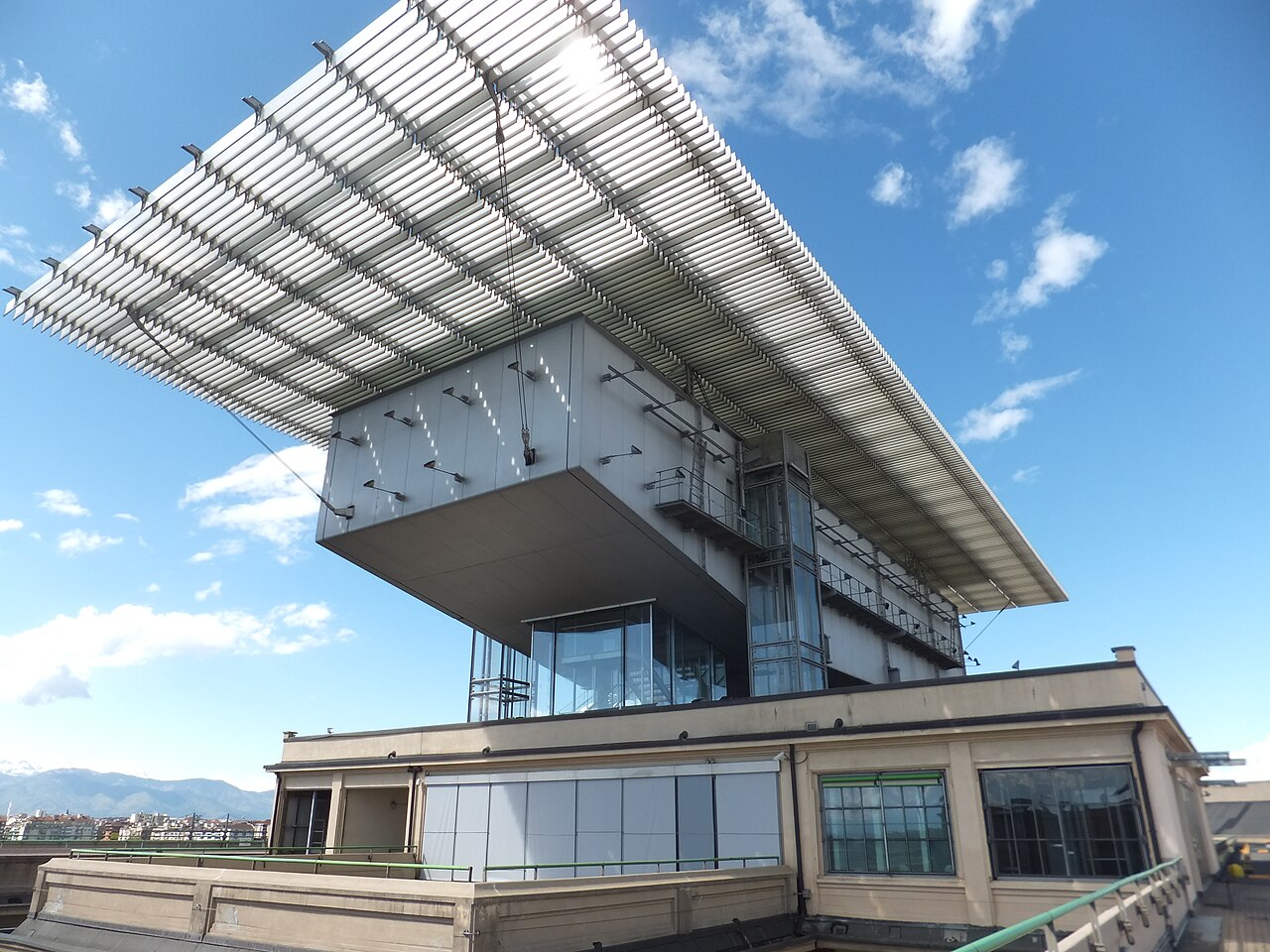 Pinacoteca: the splendid private collection of the Agnelli family displayed in the museum purpose-built on top of the Lingotto
The collection consists of 30 works. The start of the route is devoted to the Venetian view painters of the eighteenth century, among which six works by Canaletto stand out. The nineteenth century is represented by a few sculptures, including the celebrated "dancers" by Antonio Canova, and by two canvases by Edouard Manet and Pierre-Auguste Renoir. The largest part of the collection concerns the early twentieth century.
Read more
The great protagonist is Henri Matisse, with seven canvases from the 1920s and 1940s.
Pablo Picasso is present with "L'Hétaire", a female portrait of 1901, and with a large Cubist composition of 1915-16.Also on display are some masterpieces of Italian art: "Velocità astratta" (1913) by Giacomo Balla, "Lanciers italiens au galop" (1915) by Gino Severini and "Nu couché" (1917) by Amedeo Modigliani.
-
 Eataly
Lots of ideas for those who love quality food and drink!
The route
The map loads after consent to third-party content (OpenStreetMap).
These are the essential stops, but there is much more
When you book your stay with us you receive the complete step-by-step itinerary, a practical box with directions to get there and back, tips on what to see and a final treat to round off the themed day.