There are places where Turin tells its story unhurriedly: through a simple gravestone, a family chapel, a sculpture in front of which you feel like stopping. In its historic cemeteries you pass through two centuries of the city's history, from the events of the Risorgimento to the social changes of the nineteenth century, up to the events that marked the twentieth. They are places of memory, but also of architecture and sculpture.
We suggest two very different stops. The Cimitero di Sassi is small, at the foot of the hill; the Cimitero Monumentale, in the Regio Parco district near the confluence of the Dora Riparia with the Po, is a vast complex, opened in 1828 and later extended, with works by architects and sculptors and the tombs of important figures of Turin's life.
From the B&B we recommend starting from Sassi and continuing towards the Monumentale. The two cemeteries are rather far apart: it is better to use public transport between one and the other and then walk inside. Allow at least a good half day, especially if you love sculptures and historic tombs. They are cemeteries still in use, so visit them with the discretion due to those who go there to remember their loved ones. Before setting off, check the conditions of access and visiting.
On foot
-
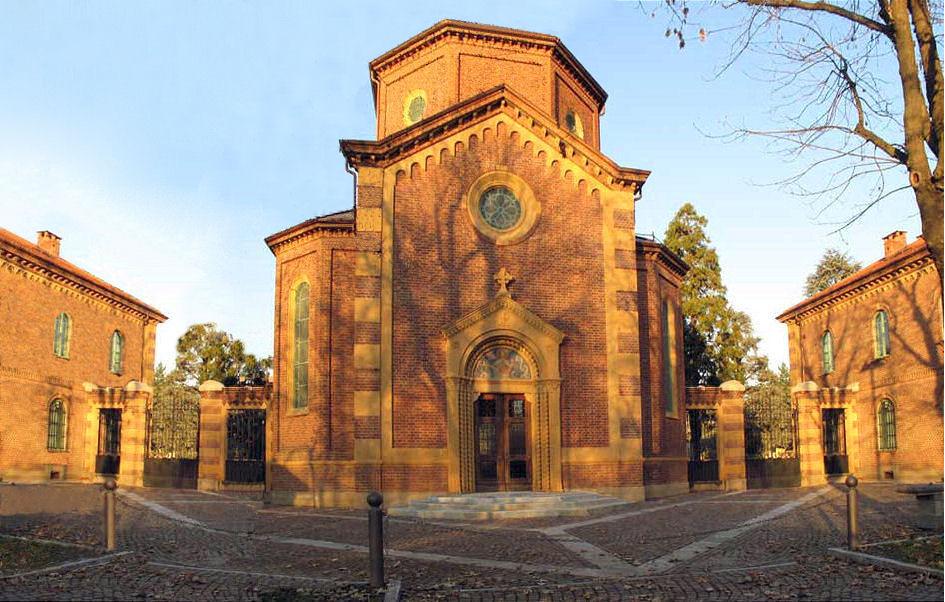 Cimitero di Sassi
At the Cimitero di Sassi, among the first things you see are the chapel and the boundary wall, both neo-medieval in inspiration. Their construction is generally placed between the end of the nineteenth century and the beginning of the twentieth, but there are no documents allowing a precise dating.
Read more
We are in the village of the same name at the foot of the hill, not far from the road that climbs towards Superga. It is one of the small district cemeteries still in use, very different from the large Monumentale. Along the avenues the forms of the graves change and you can sense the link with the landscape of the village. The visit is short, but it is worth doing it without hurry, respecting the peace of the place.
-
 Cimitero Monumentale
 di Torino
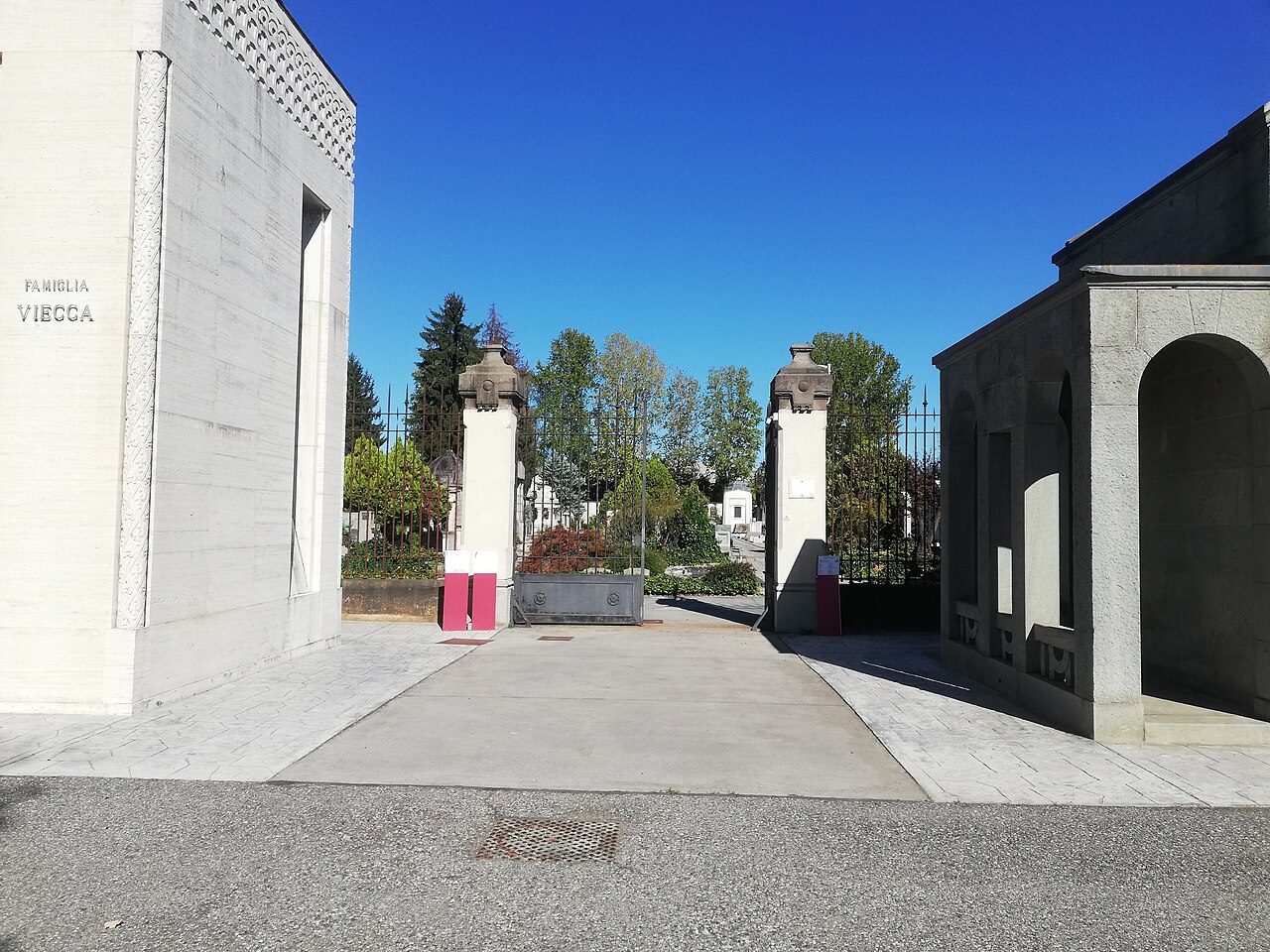
Entering through the main entrance, the neoclassical character of the Cimitero Monumentale can be recognised in the oldest buildings and in the order of the spaces. This is the core of Gaetano Lombardi's project: the cemetery, then called Cimitero Generale, opened in 1828 at Regio Parco, outside the built-up area of the time. It served to replace the old city cemeteries, by then inadequate and too close to the houses.
Read more
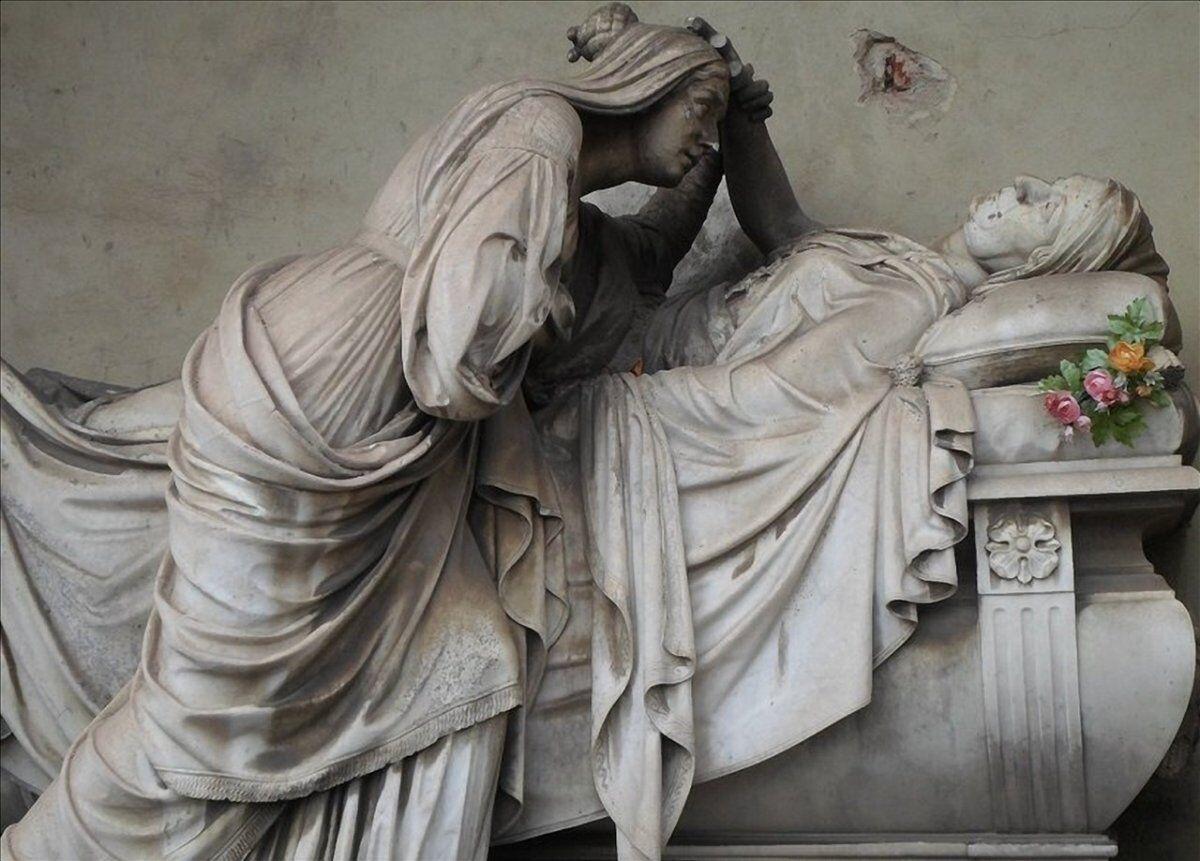
From that first core, through successive enlargements, a very extensive complex developed. In the porticoes, the private chapels and the funerary monuments, classicism, eclectic forms and Art Nouveau coexist. Sculpture and architecture change their language from one avenue to the next, following the taste of the nineteenth and twentieth centuries. If you are looking for a specific work, we recommend the map, also available through the operator's information services.
-
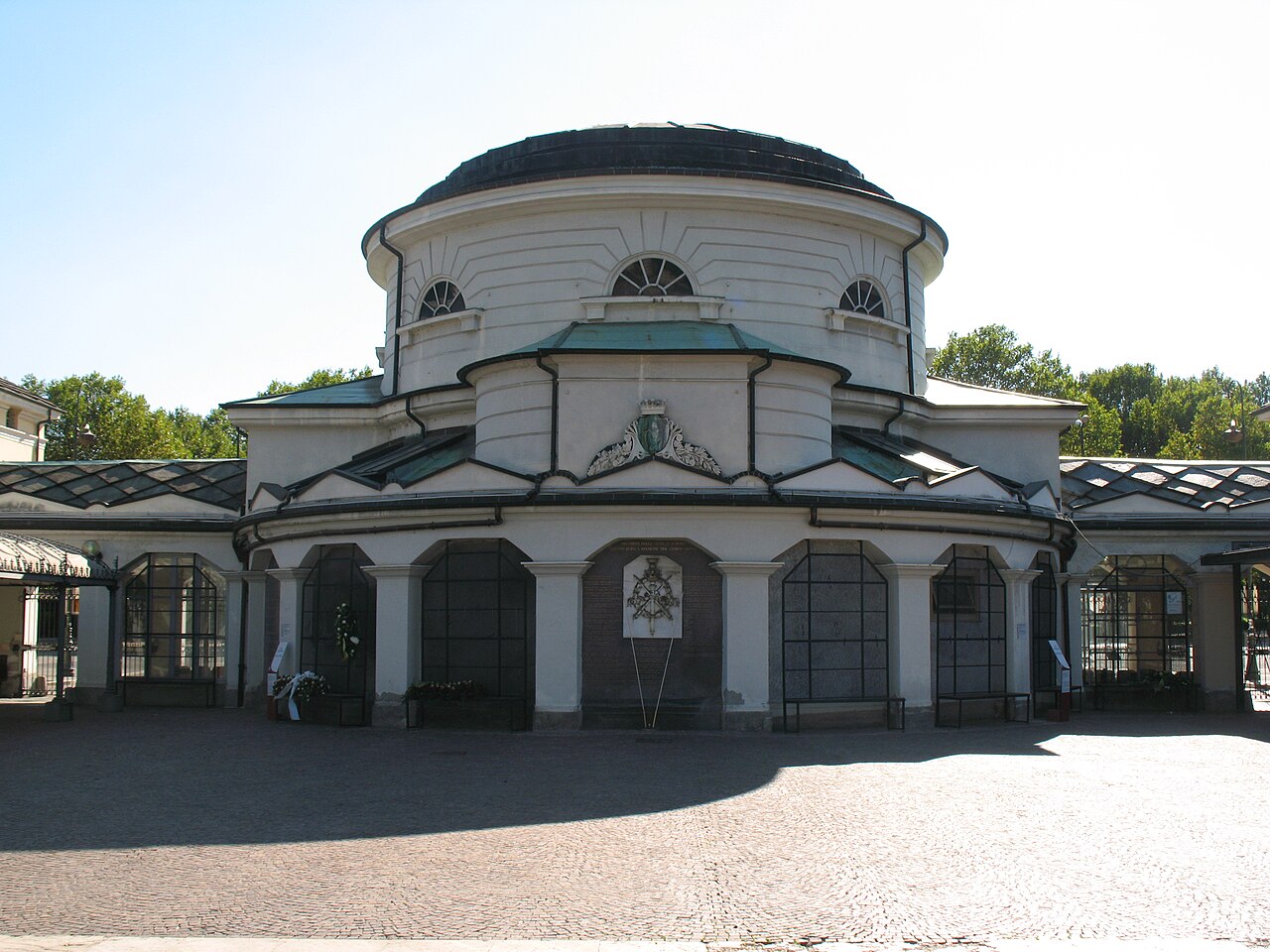 Campo Primitivo of the Cimitero Monumentale
The Campo Primitivo preserves the layout of the first Cimitero Monumentale: a regular plan, with bevelled corners, dating from the first half of the nineteenth century and from Gaetano Lombardi's neoclassical project. As you walk through it, the order of the spaces forms the backdrop to tombs that differ greatly from one another.
Read more
Turin sculptors and architects worked here between the nineteenth and twentieth centuries. MuseoTorino points out, among other works, the tomb of the Durio family, made by Leonardo Bistolfi in 1901, and the Monumento Pratis by Pietro Canonica, from 1920. Traditional compositions alternate with allegorical figures and with monuments that follow the taste of their own time. To find the individual works, the maps of the four sectors published by MuseoTorino are useful.
-
 Jewish sections of the Cimitero Monumentale
In the Jewish sections of the Cimitero Monumentale you pass from very simple graves to elaborate family monuments. There are chapels of neo-Egyptian inspiration and neo-Moorish aedicules: forms that tell of the meeting between Jewish traditions and Turin's architectural taste between the nineteenth and twentieth centuries.
Read more
Today there are six sections. In 1867 the Jewish Community of Turin was assigned an area of the new city cemetery, after centuries in which its burial grounds had been moved several times. Among the tombs is also that of the writer Primo Levi. The visit runs through the history of the Community, including the persecutions suffered in the twentieth century. Bear in mind that the sections are not accessible on Saturdays or during Jewish holidays.
-
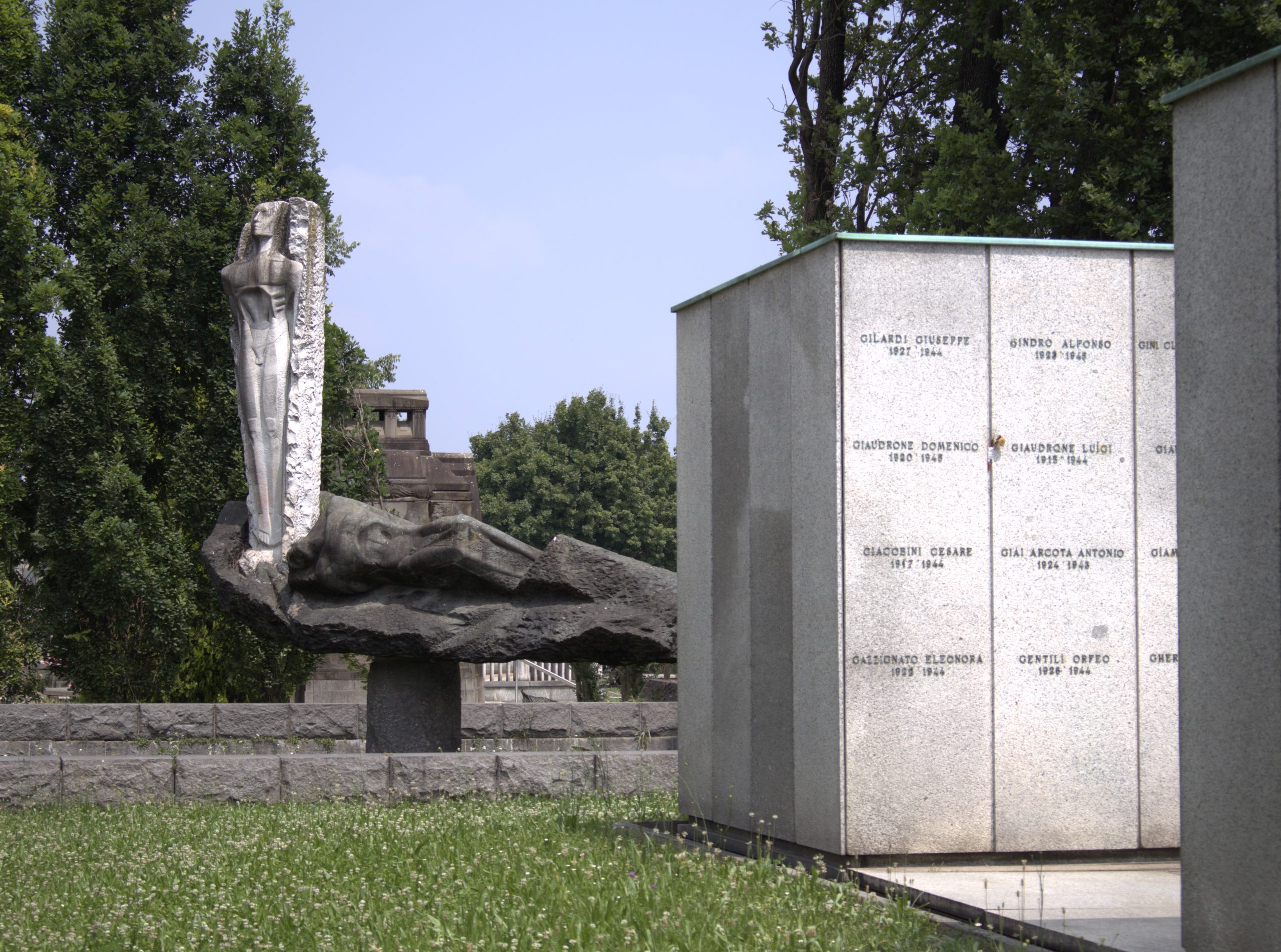 Campo della Gloria
In the Campo della Gloria the stone blocks are arranged in regular rows and hold the remains of those who fell in the Resistance. Here the memory is collective, tied to all those who lost their lives in the struggle against Nazi-Fascism. The Campo was created after the war precisely to give them burial and public recognition.
Read more
Here you will also find the Monumento ai Caduti per la Libertà, built in 1952 to a design by the architect Carlo Mollino, with the collaboration of the sculptor Umberto Mastroianni. Compared with the chapels and monuments of individual families, here twentieth-century funerary architecture changes register. It is a place that speaks of the Resistance and of the Liberation of Turin through the names and the memory of those buried here.
-
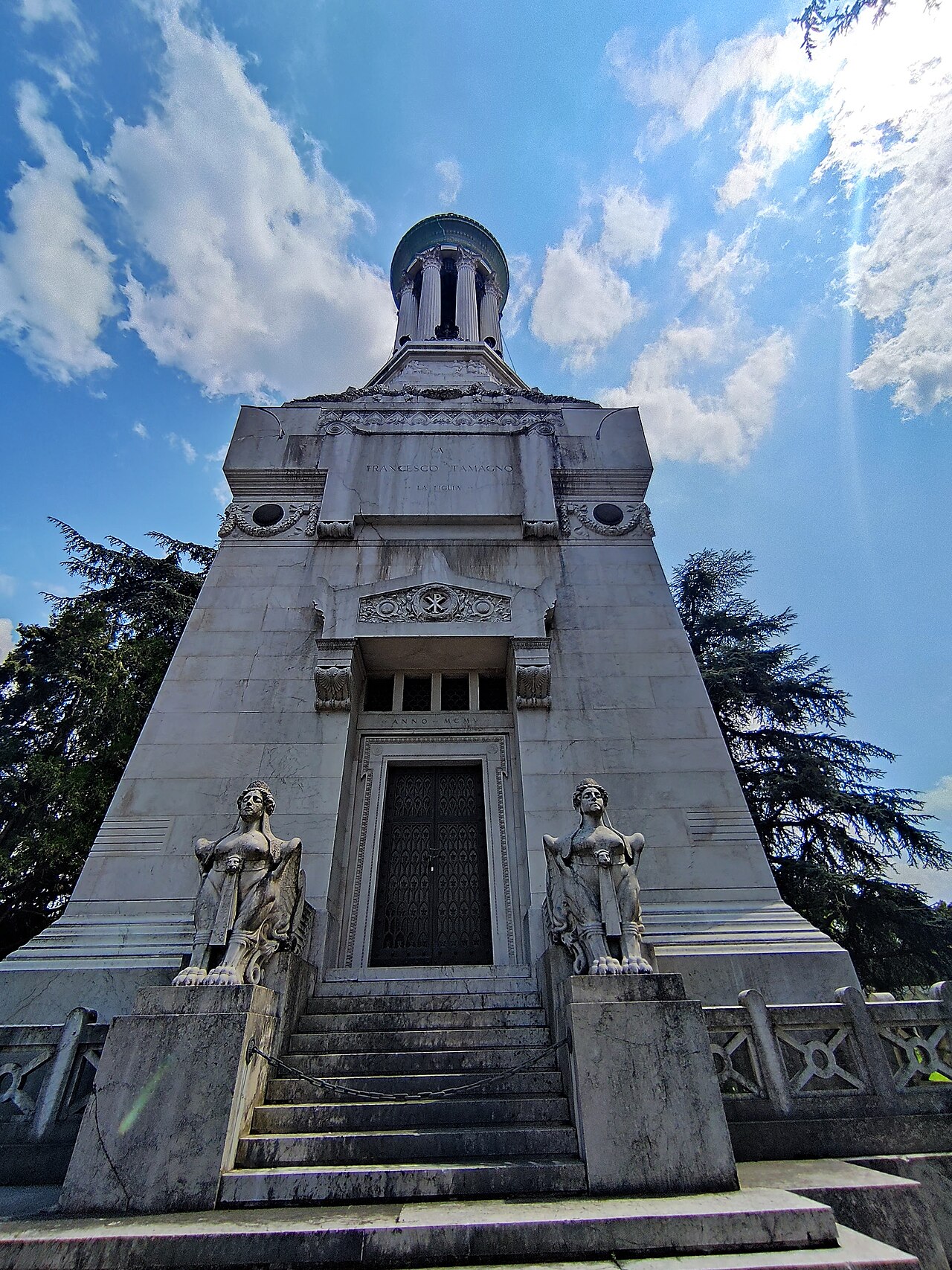 Mausoleum of Francesco Tamagno
At the Mausoleum of Francesco Tamagno the eye is drawn upwards: the monumental body rises to the columns and the architectural crown, while sphinxes appear at the base. They are figures that recall antiquity and that we find again in funerary art between the nineteenth and twentieth centuries.
Read more
Tamagno was a famous Turin tenor, a leading figure on the international opera scene in the second half of the nineteenth century. The mausoleum was built in 1912 to a design by the architect Raineri Arcaini, with contributions by the sculptors Grossoni, Bolgiani and Mauro. The contrast between the classical forms of the architecture and the sculpted figures gives the monument its character. It is one of the most recognisable examples of Turin's funerary monumentality of the early twentieth century, born from the work of an architect and sculptors.
-
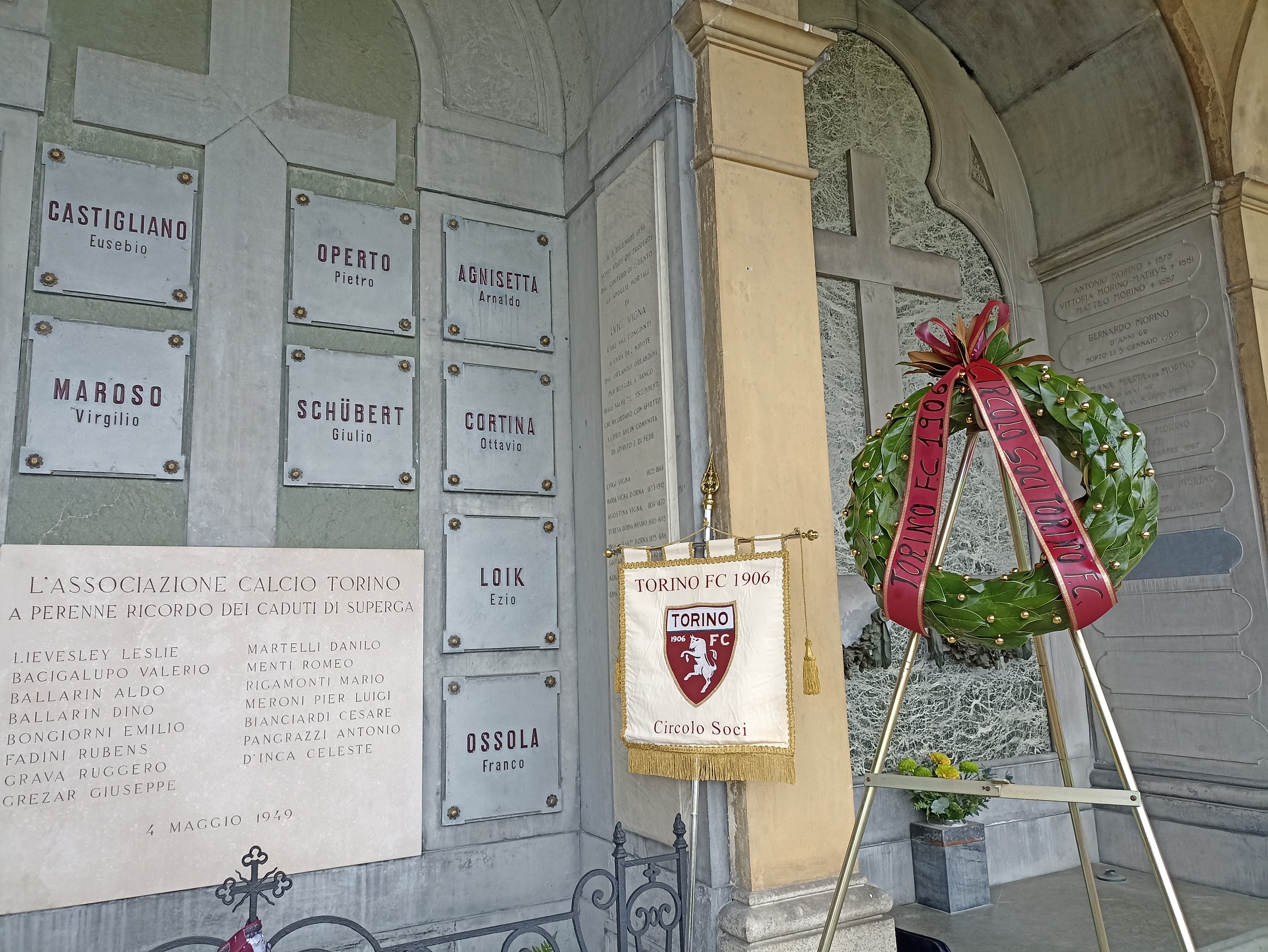 Plaques of the Grande Torino at the Cimitero Monumentale
Memorial plaques of the Grande Torino
Under an arch of the Quinta ampliamento (fifth extension) of the Cimitero Monumentale are gathered the memorial plaques of the Grande Torino. They commemorate the victims of the Superga air disaster of 4 May 1949, in which the football team that had marked the city's sporting history was lost.
Read more
Every year, commemorations are held here to remember the players and all the other people who lost their lives in the accident. It is a memory that in Turin goes well beyond football. In the cemetery there is also another memorial, separate from the plaques and located in the Ottava ampliamento (eighth extension). If you wish to see both places, the map will help you find them.
-
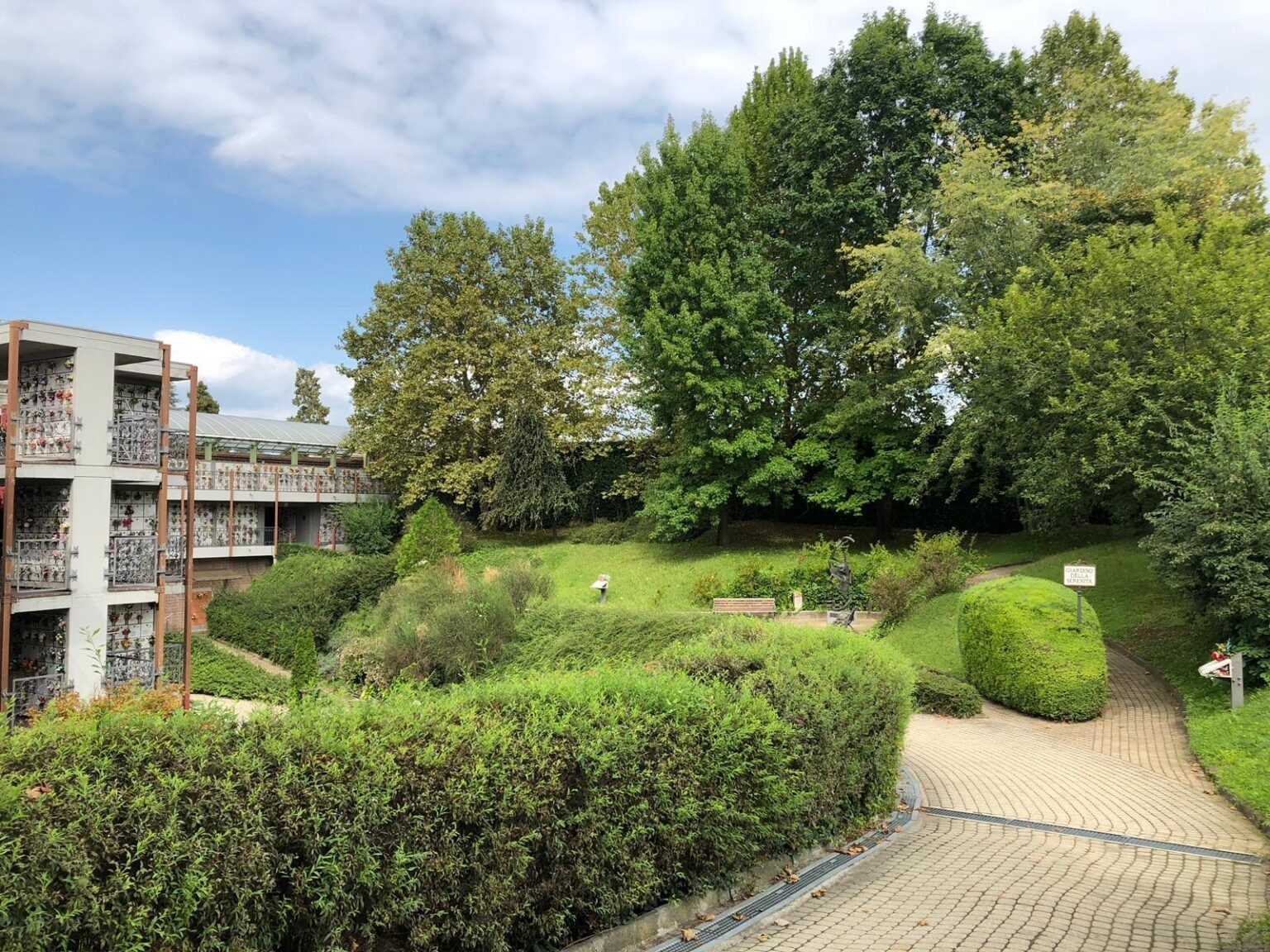 Tempio Crematorio of the SOCREM
The Tempio Crematorio is not only a historic building: it is still used for farewell ceremonies and for the activities of the SOCREM. It comprises a historic part, spaces for ceremonies and rooms intended for the keeping of ashes. For this reason the complex can be observed from the outside, while access to the interiors is not to be taken for granted.
Read more
Designed and built by the engineer Pompeo Marini, the Tempio was inaugurated in 1888. It is linked to the Società per la Cremazione di Torino, founded in 1883 with Ariodante Fabretti as its first president. Its history tells of a change at the end of the nineteenth century, when new conceptions of the funeral rite confronted the relationship between science, religion and society. A change that here still has a concrete function.

These are the essential stops, but there is much more
When you book your stay with us you receive the complete step-by-step itinerary, a practical box with directions to get there and back, tips on what to see and a final treat to round off the themed day.