Turin's literary side is not made only of libraries. Sometimes it is a plaque on a façade, a school still attended by students, a café where writers and intellectuals once met. This is the city we invite you to walk through, following above all two leading figures of twentieth-century Italian literature: Cesare Pavese, born in the Langhe but long resident in Turin, and Primo Levi, a Turinese, chemist and author of If This Is a Man.
For many writers Turin has been a city in which to study, work and meet, as well as a setting for their books. You will see the houses where Pavese and Levi lived and the lyceum attended by both, but also places of Turin's culture and publishing and some historic cafés that were meeting places for writers, artists and intellectuals. It is a less monumental Turin, made of schools, bookshops and everyday addresses.
From our B&B cross the Po, go through piazza Vittorio Veneto and take via Po. The route continues between piazza Castello and piazza San Carlo, then towards Porta Nuova and the Crocetta.
Allow three or four hours on foot for the stops and a few short breaks; at least half a day if you want to go into the Biblioteca Reale or sit in the cafés. The writers' houses and the lyceum are seen from the outside. Before setting off, check access to the places open to visitors and the opening of the cafés.
On foot
-
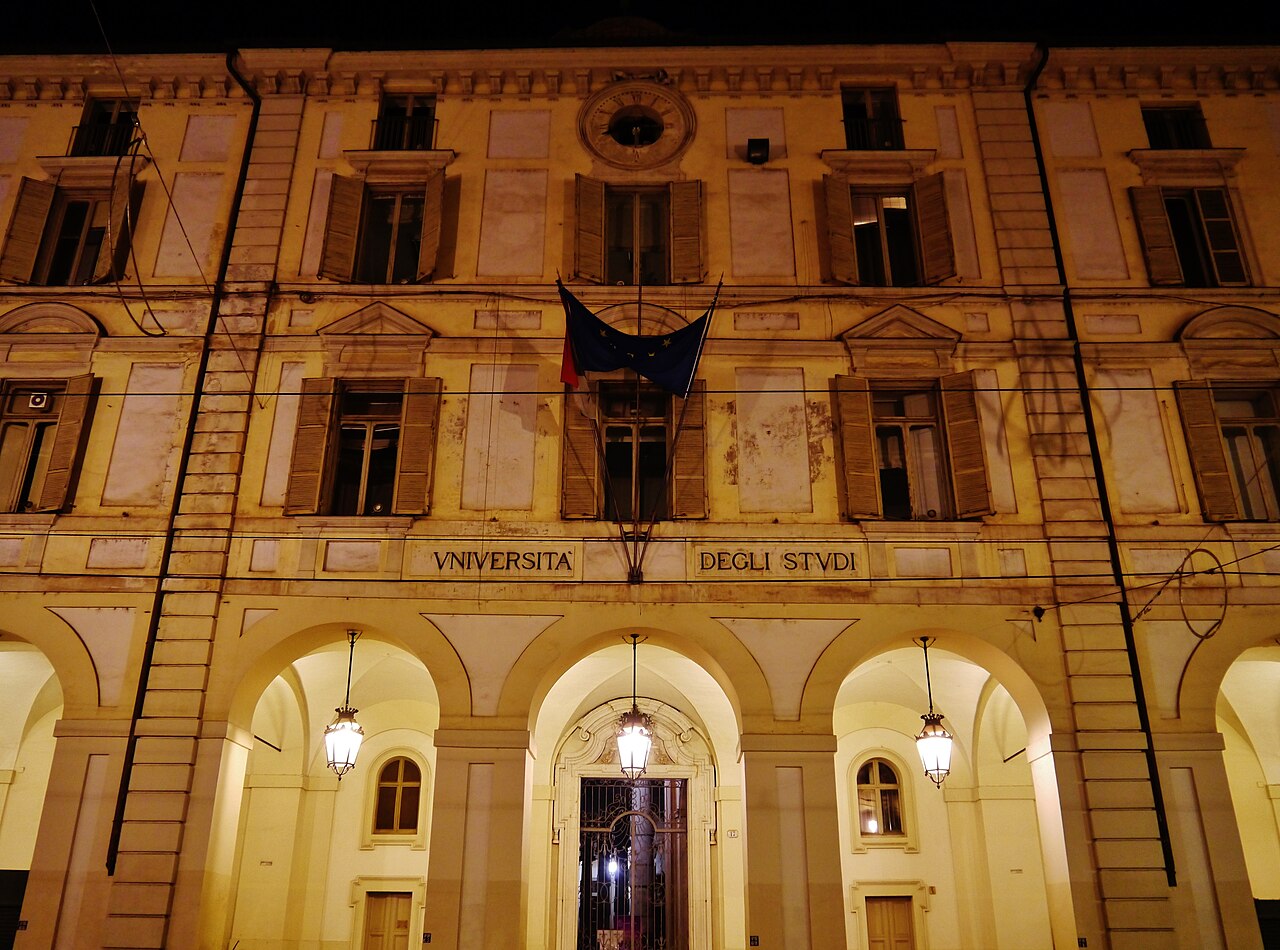 Palazzo dell'Università di Torino
On via Po, an entrance to the university building leads, when it is open, into the courtyard of the Rettorato. This is the part we recommend you see: a portico, a loggia above it and, between the columns, statues, busts and plaques commemorating sovereigns, scholars and figures of Piedmontese culture.
Read more
This is the historic seat of the University of Turin, commissioned by Vittorio Amedeo II and built between 1713 and 1720. Michelangelo Garove drew up the original design, on which Giovanni Antonio Ricca and Filippo Juvarra later intervened. Over the centuries, the University has trained generations of scientists, writers and intellectuals. The interior rooms, on the other hand, house the offices and activities of the University.
-
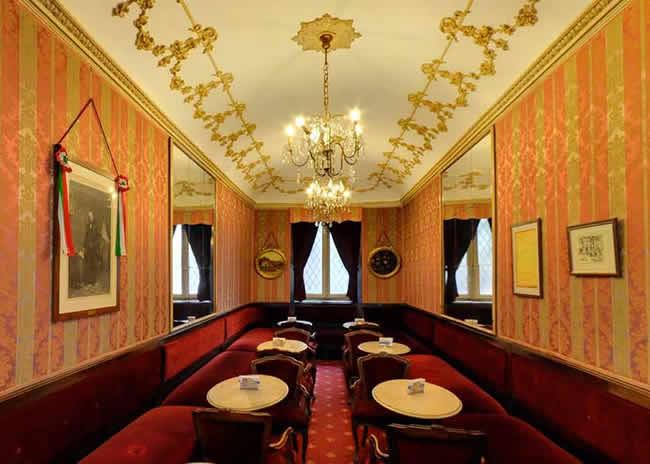 Caffè Fiorio
Under the arcades of via Po, at Fiorio you can stop at the marble counter or settle in among mirrors and velvet armchairs. The furnishings tell the story of the café, opened in 1780 and for a long time a meeting place of the Savoy nobility.
Read more
It was called the «caffè dei codini» (the pigtails café), after the hairstyles and traditional dress of its patrons, but also the «caffè dei Machiavelli», for its political discussions. Initially tied to aristocratic and conservative circles, it later became a meeting place for intellectuals and leading figures of the Risorgimento, among them Cavour, Rattazzi and Massimo d'Azeglio.
There is also a more indulgent reason to go in: the ice-cream parlour, known above all for its gianduia ice cream, a speciality of the Turin tradition.
Primo Levi too left a trace of Fiorio in literature. He recalls it in a page devoted to his ancestors, through a small episode of family life in the Turin of days gone by. We like this reference because, alongside the great names of politics and the Risorgimento, it gives the café back a more everyday dimension: that of a place that enters family memories and ends up, years later, in a book.
-
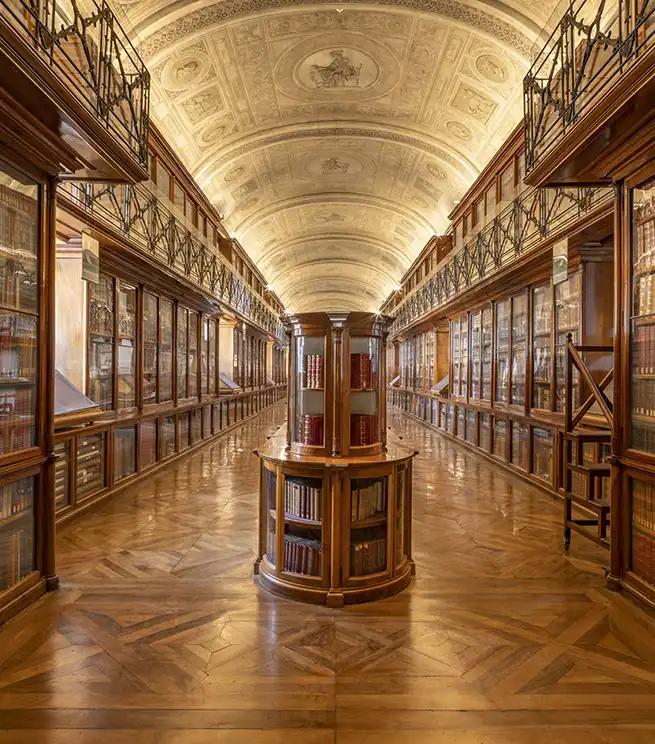 The Biblioteca Reale
Biblioteca Reale
Even without opening a book, the historic hall of the Biblioteca Reale is worth the visit: wooden shelving and nineteenth-century decorations surround the collections, within the Palazzo Reale complex.
Read more
Carlo Alberto wanted the library in order to rebuild and expand the book collections of the House of Savoy; Pelagio Palagi fitted out its premises between 1837 and 1842. It holds ancient books, manuscripts, maps and drawings of great historical and artistic interest. Among them are works by Leonardo da Vinci, such as the Codex on the Flight of Birds and the drawing known as the Self-Portrait. The originals, however, for conservation reasons are displayed only on special occasions.
-
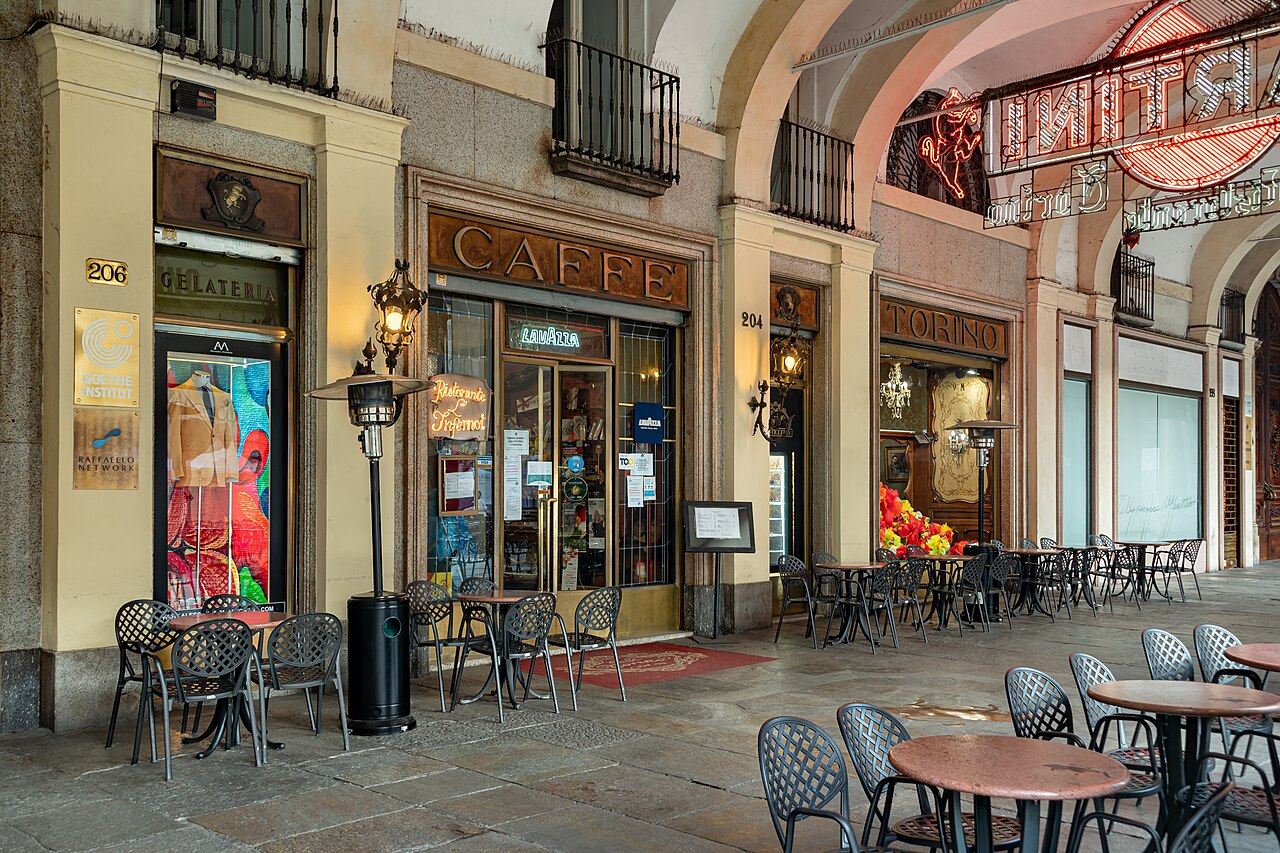 Caffè Torino
Before going into Caffè Torino, look down: in the paving in front of the café there is a small brass bull, linked to a good-luck tradition well known in the city. The shop windows and the outdoor furnishings also contribute to the café's historic character.
Read more
The Torino opened in 1903 near the church of San Carlo. In 1934, during the transformation of via Roma, it moved under these arcades of piazza San Carlo.
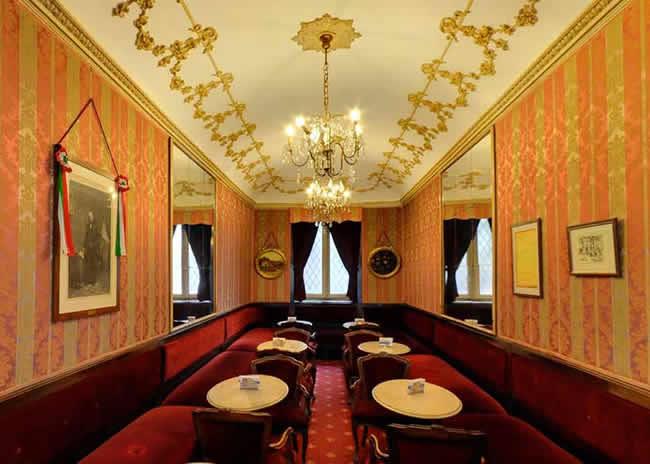
Inside, marbles, mirrors, fireplaces, gilded stuccoes and large chandeliers recall the taste of the Piedmontese Baroque. It is in these rooms that the café became one of the meeting places of twentieth-century Turin society.
Among the regulars of Caffè Torino, Cesare Pavese and Giulio Einaudi are remembered, together with a political figure such as Alcide De Gasperi.
For those following the literary traces of Turin, the date of the current premises, 1934, also matters: it belongs precisely to the years in which Pavese was active as a writer, translator and collaborator of the Einaudi publishing house. The café is one of the public spaces linked to his life in Turin, outside the places more directly associated with his literary work.
-
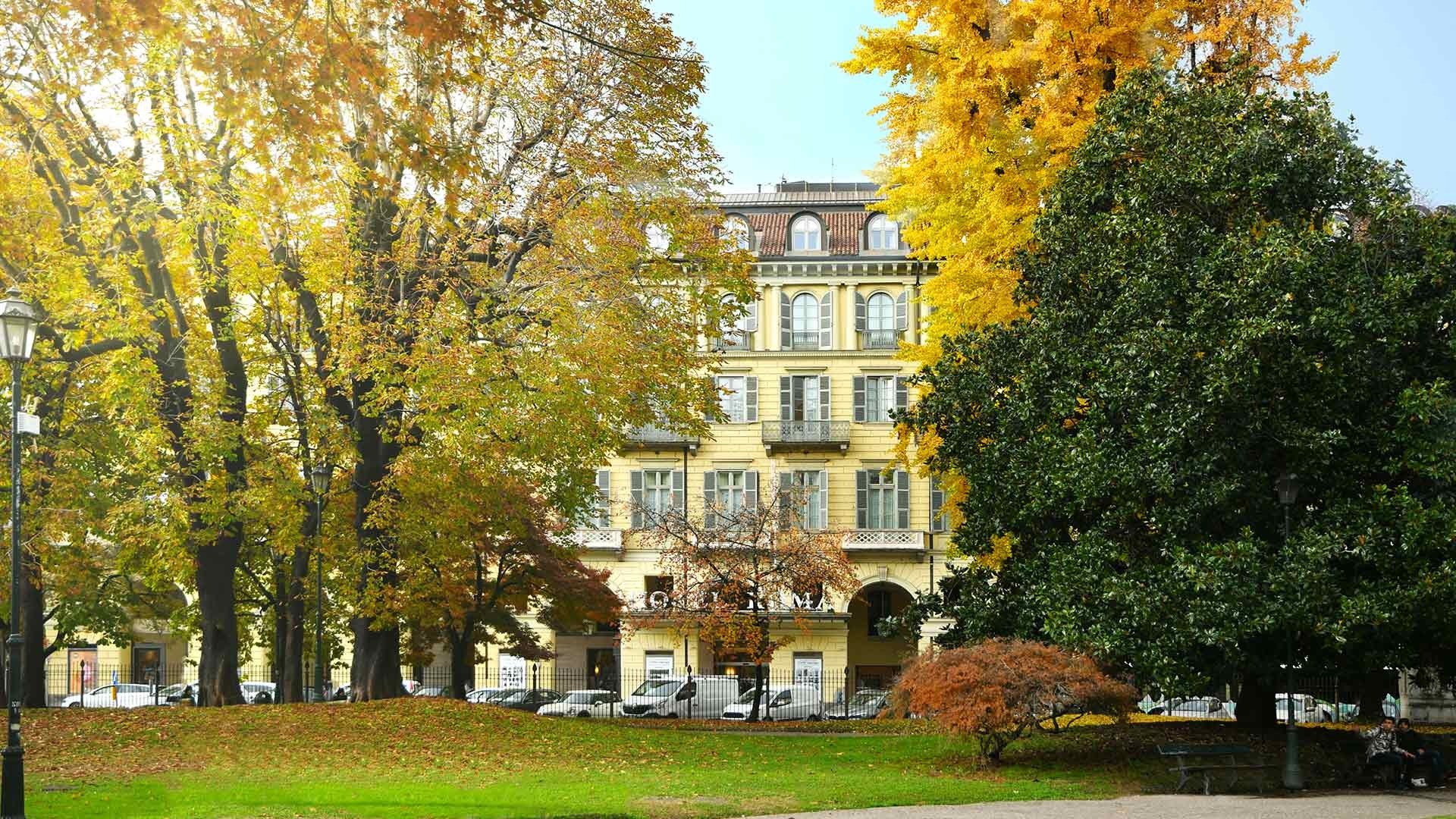 Hotel Roma
In piazza Carlo Felice, opposite Porta Nuova station, there is a hotel linked to the last chapter of Cesare Pavese's life. The writer stayed there in August 1950 and died in one of the rooms on 27 August, a few weeks after receiving the Premio Strega for La bella estate.
Read more
Pavese spent most of his life in Turin, working as a translator, writer and collaborator of the Einaudi publishing house. The city returns in his poems, short stories, novels and in the pages of his diary Il mestiere di vivere. The hotel is still in business, under the name Hotel Roma e Rocca Cavour: this is a stop to see from the square, out of respect for those staying there.
-
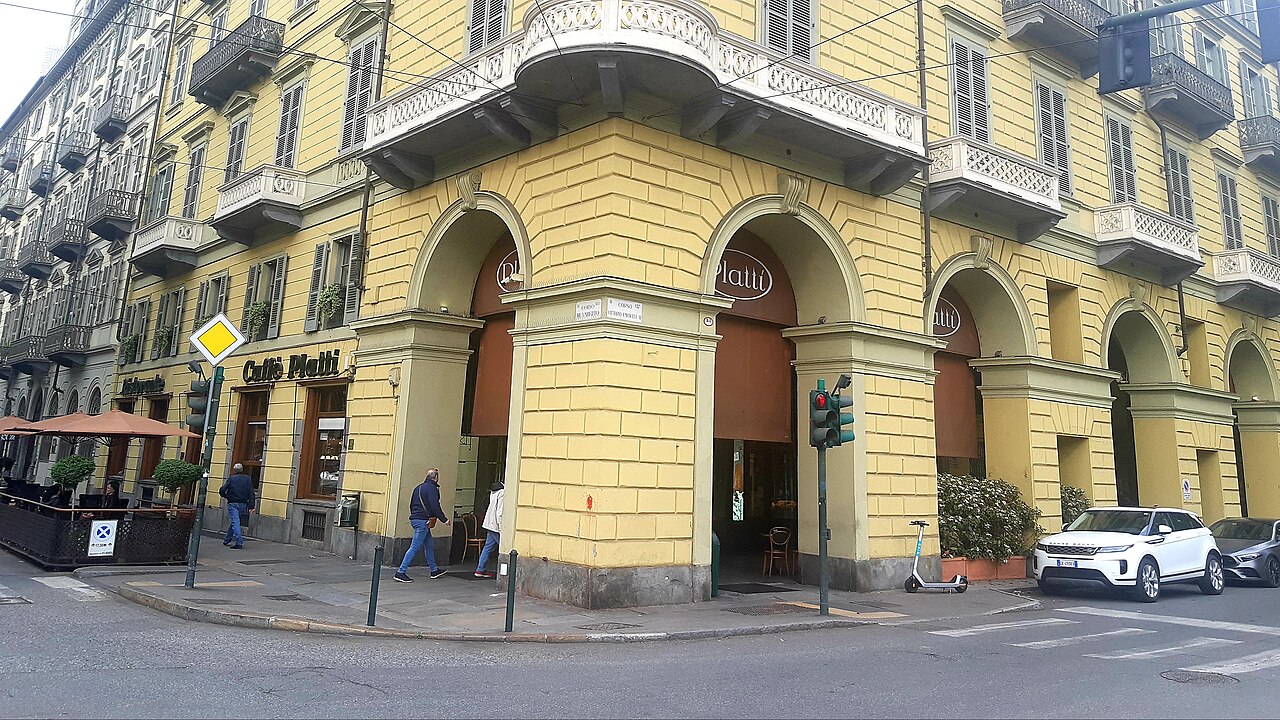 Caffè Platti
Arriving at the corner of corso Vittorio Emanuele II and corso Re Umberto, at Platti you come across different eras. In the confectionery shop, wooden furniture, display cases and decorations of nineteenth-century taste remain; in the other rooms, mirrors, stucco and ornamental details from the first decades of the twentieth century, when they were renovated.
Read more
The story began in 1870 with the Principe Umberto liqueur shop, later taken over by the brothers Ernesto and Pietro Platti. Over time the café became one of the meeting places of Turin's cultural life.
The pastry shop also has a speciality of its own: the Torta Platti chocolate cake, made to a recipe the house keeps secret.
Platti was also an address of literary and publishing Turin. Its regulars included Cesare Pavese and Giulio Einaudi, two names linked to the city's cultural life in the twentieth century.
The sources we consulted record no specific meetings or publishing decisions documented inside the café. What remains is the connection with writers and publishers who also frequented these public spaces, away from the publishing houses and the cultural institutions. One more reason to stop at Platti, with no need to attribute to its tables episodes we know nothing about.
-
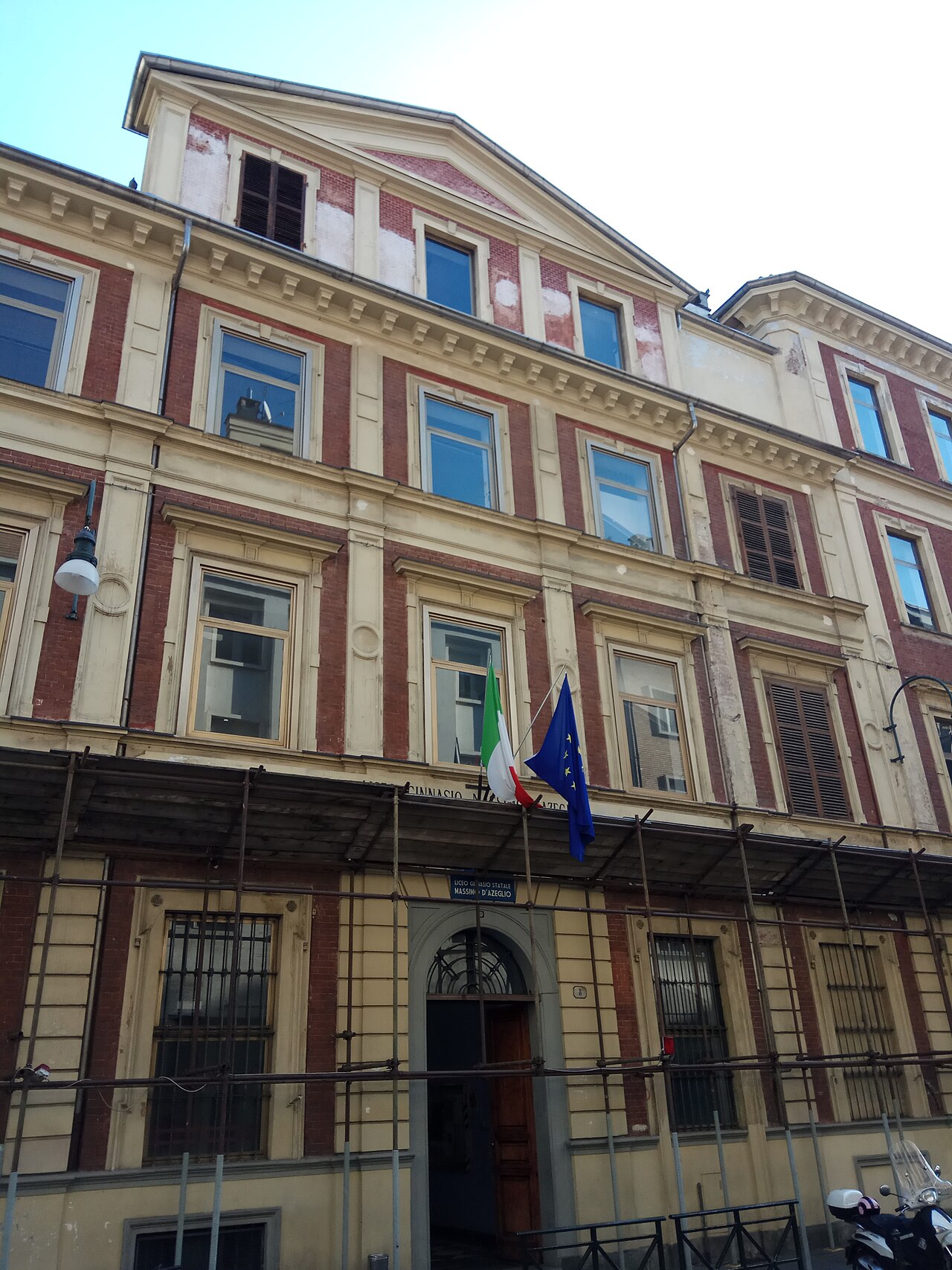 Liceo Classico Massimo D'Azeglio
Standing before the façade of the D'Azeglio, in via Parini, you are in front of a school that brought together some important names of twentieth-century Turin culture. Among its students were Cesare Pavese, Primo Levi, Giulio Einaudi, Leone Ginzburg, Norberto Bobbio and Fernanda Pivano.
Read more
In the 1920s Pavese studied here with Augusto Monti, his Italian and Latin teacher and a point of reference for young people who would go on to play a significant role in Turin's culture and anti-fascism. Primo Levi attended the liceo from the 1930s, before his university studies in chemistry. The building, nineteenth-century in origin, is still a school: the classrooms are not normally accessible, but the façade alone links the stories of the two writers.
-
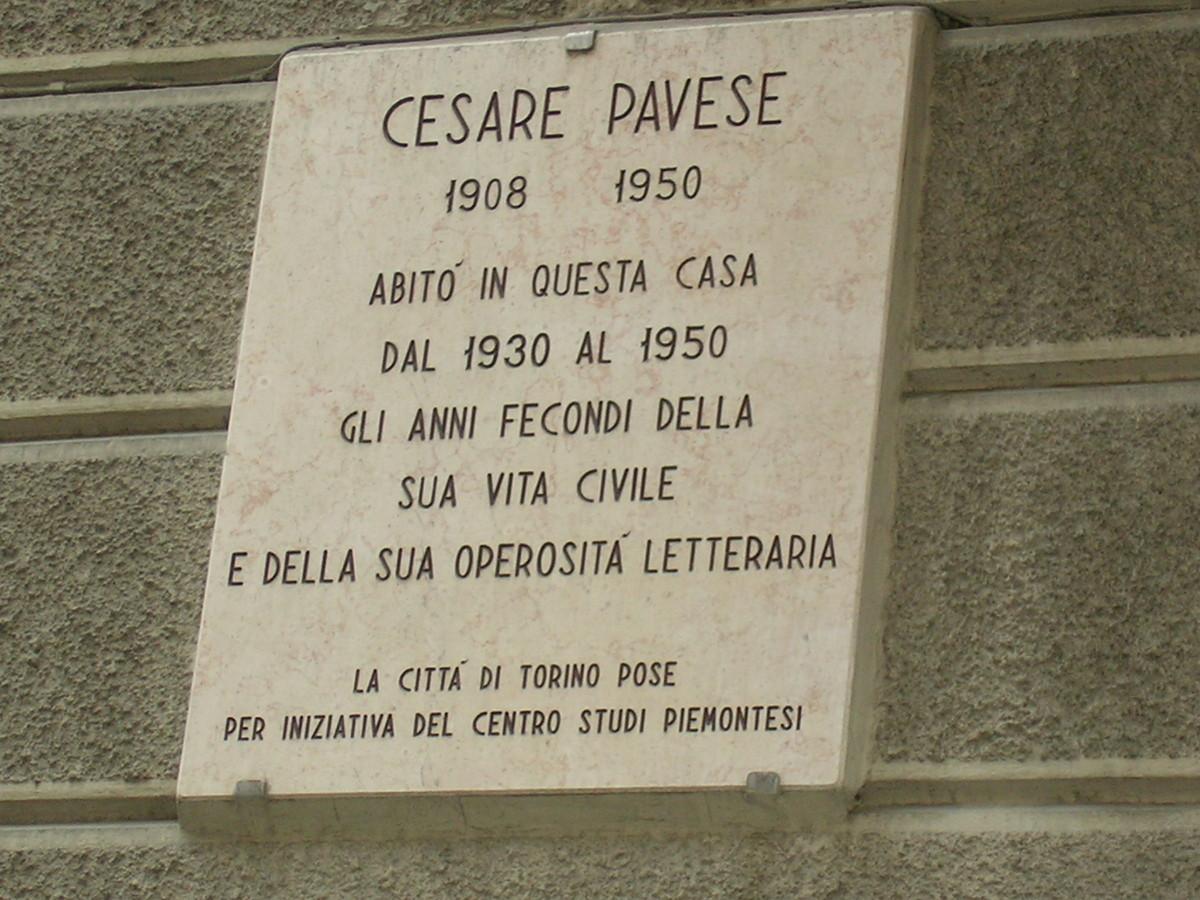 Cesare Pavese's house
Cesare Pavese's House
A plaque on the façade, at via Lamarmora 35, recalls the twenty years in which Cesare Pavese lived here, from 1930 to 1950. It is a house in the Crocetta district, not a museum: you stop in front of the building, without going in.
Read more
Born in Santo Stefano Belbo in 1908, Pavese lived most of his life in Turin, while keeping a deep bond with the Langhe, which often return in his novels and short stories. During his Turin years he worked as a writer, translator and intellectual, collaborated intensively with the Einaudi publishing house and published works such as Paesi tuoi, La casa in collina and La luna e i falò. The plaque gives a concrete address to all those years of work.
-
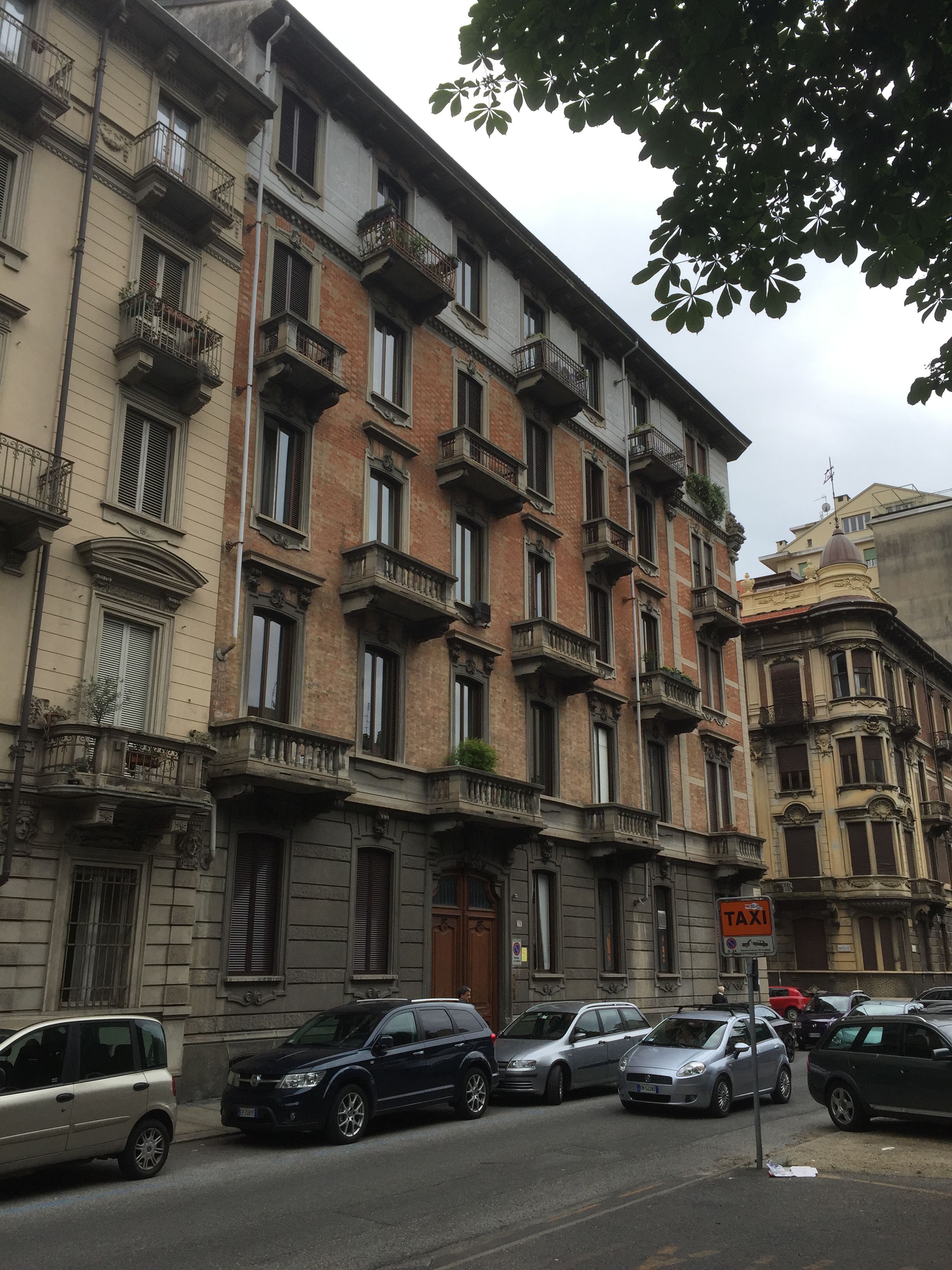 Primo Levi's House
Number 75 corso Re Umberto is an address that returns in the life and books of Primo Levi. He was born here in 1919 and lived here almost all his life, until his death in 1987. He came back here after his deportation to Auschwitz and the long journey home recounted in La tregua.
Read more
A chemist, for many years he combined industrial work with writing: Se questo è un uomo, Il sistema periodico and La chiave a stella are among his works. Turin, with its streets, districts and world of work, appears in his short stories and autobiographical writings. To the house he dedicated the text Corso Re Umberto 75, collected in L'altrui mestiere. The building is private and is viewed from the outside.
The route
The map loads after consent to third-party content (OpenStreetMap).
These are the essential stops, but there is much more
When you book your stay with us you receive the complete step-by-step itinerary, a practical box with directions to get there and back, tips on what to see and a final treat to round off the themed day.