If you like chocolate, in Turin you can make a walking itinerary of it, going from historic cafés to shops that experiment with new recipes. In the eighteenth-century cafés hot chocolate was already being served; the birth of the gianduiotto, made of cocoa and Piedmontese hazelnuts, is traditionally dated to 1865. And alongside the historic confectioners, artisans attentive to methods and ingredients are still at work today.
From the B&B cross the Po and reach the centre. The route goes through corso Vittorio Emanuele II, the Porta Nuova area, via Cavour, piazza San Carlo, piazza Castello and the Quadrilatero Romano, as far as the Consolata. Allow about three or four hours, depending on how many stops you make: between gianduiotti, cremini, more recent interpretations, a hot chocolate or a bicerin, the time passes pleasantly. If you also want to learn about the history and processing of cocoa, you can add the Museo del Cioccolato.
Turin also devotes CioccolaTò to this tradition, bringing together producers, artisans and enthusiasts. There is no need to wait for the event, though: the cafés and shops offer tastings all year round. Before setting off, check the visiting arrangements, especially for the museum.
On foot Walking: 7.2 km, 1 h 37 min
-
 Guido Castagna
Cioccolateria Guido Gobino
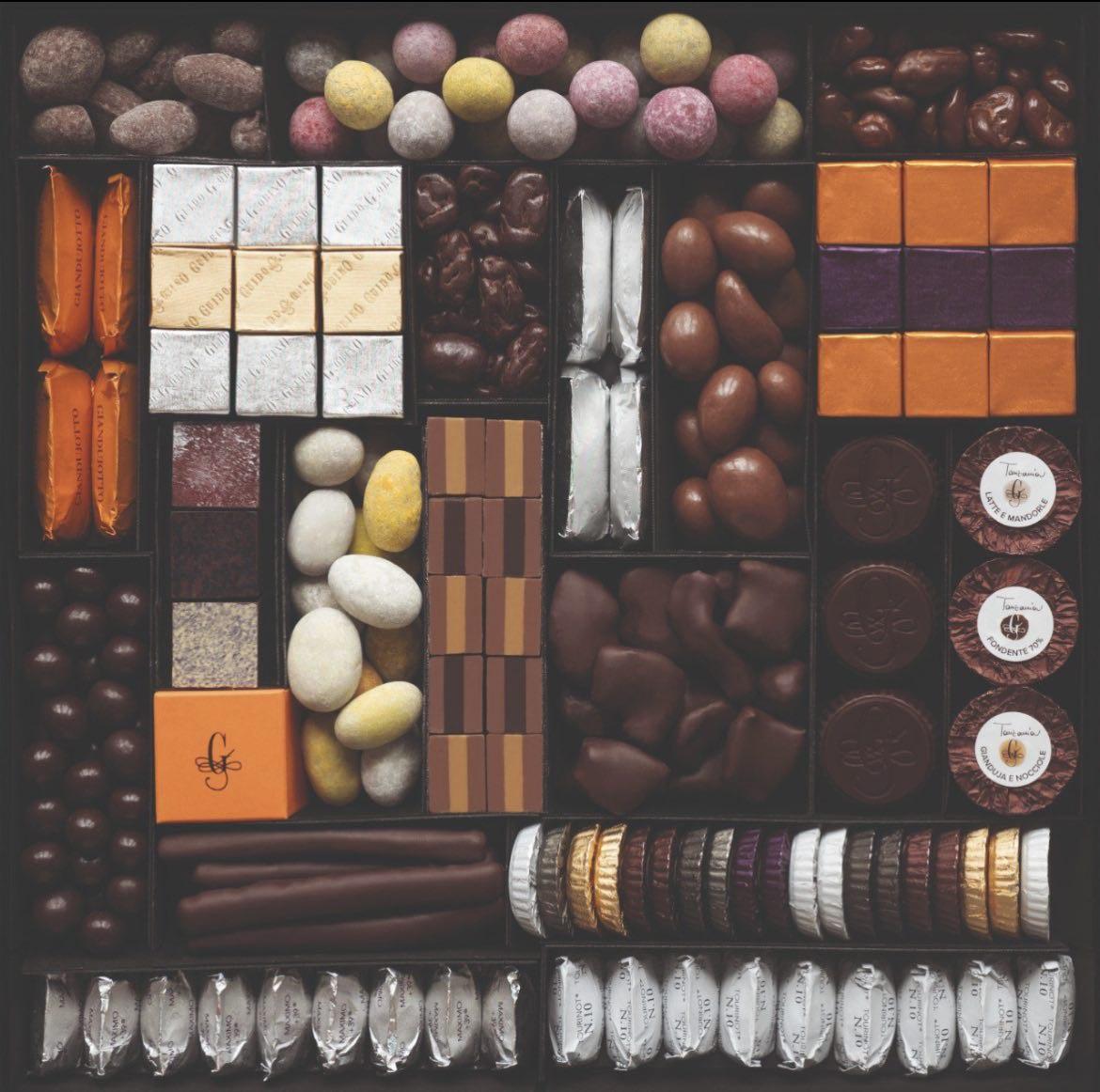
A cremino with Taggiasca extra virgin olive oil and unrefined sea salt: this is Guido Gobino's Cremino al Sale, made with gianduja chocolate. In 2008 it was named best praline in the world by the Academy of Chocolate in London. The Tourinot, which Gobino introduced in 1995, is a smaller gianduiotto, to be compared with the classic one for texture and the balance between cocoa and hazelnuts.
Read more
Gobino reworks Turin's specialities with close attention to the raw materials. In corso Vittorio Emanuele II the shop occupies the premises of the historic Caffè Platti; the one in via Lagrange, almost opposite the Museo Egizio and the church of San Filippo Neri, has old-style furnishings and is more convenient along the itinerary.
-
 Giordano
Cioccolateria Giordano
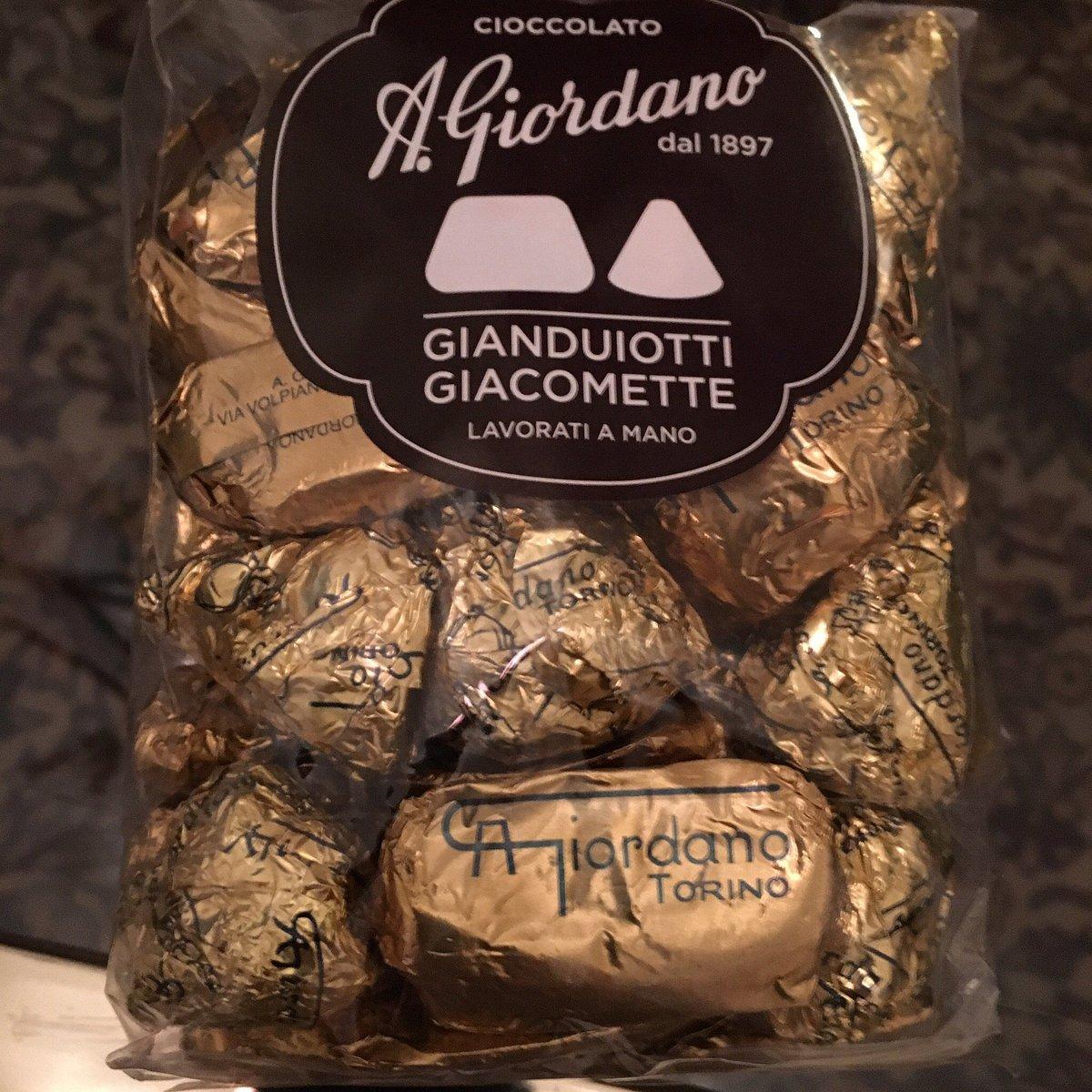
Under the arcades of piazza Carlo Felice, the carved walnut shopfront, the gilded decorations and the original sign take you back to the confectioners' shops of the late nineteenth century. The Giordano chocolate shop was founded in 1897, and inside the atmosphere continues: wood-panelled walls, mirrors and crystal shelves.
Read more
Here the gianduiotti are still made by hand, from preparing the mixture to cutting, spreading with the spatula and wrapping each piece in gold paper. The recipe remains the classic one: sugar, Piedmont hazelnuts, cocoa mass and cocoa butter. Alongside them you will find giacomette, cremini and other Turin chocolates. It is a stop worth making for the shop itself, not just for what you take away.
-
 Choco Story chocolate museum
Choco-Story Torino, Museum of Chocolate and Gianduja
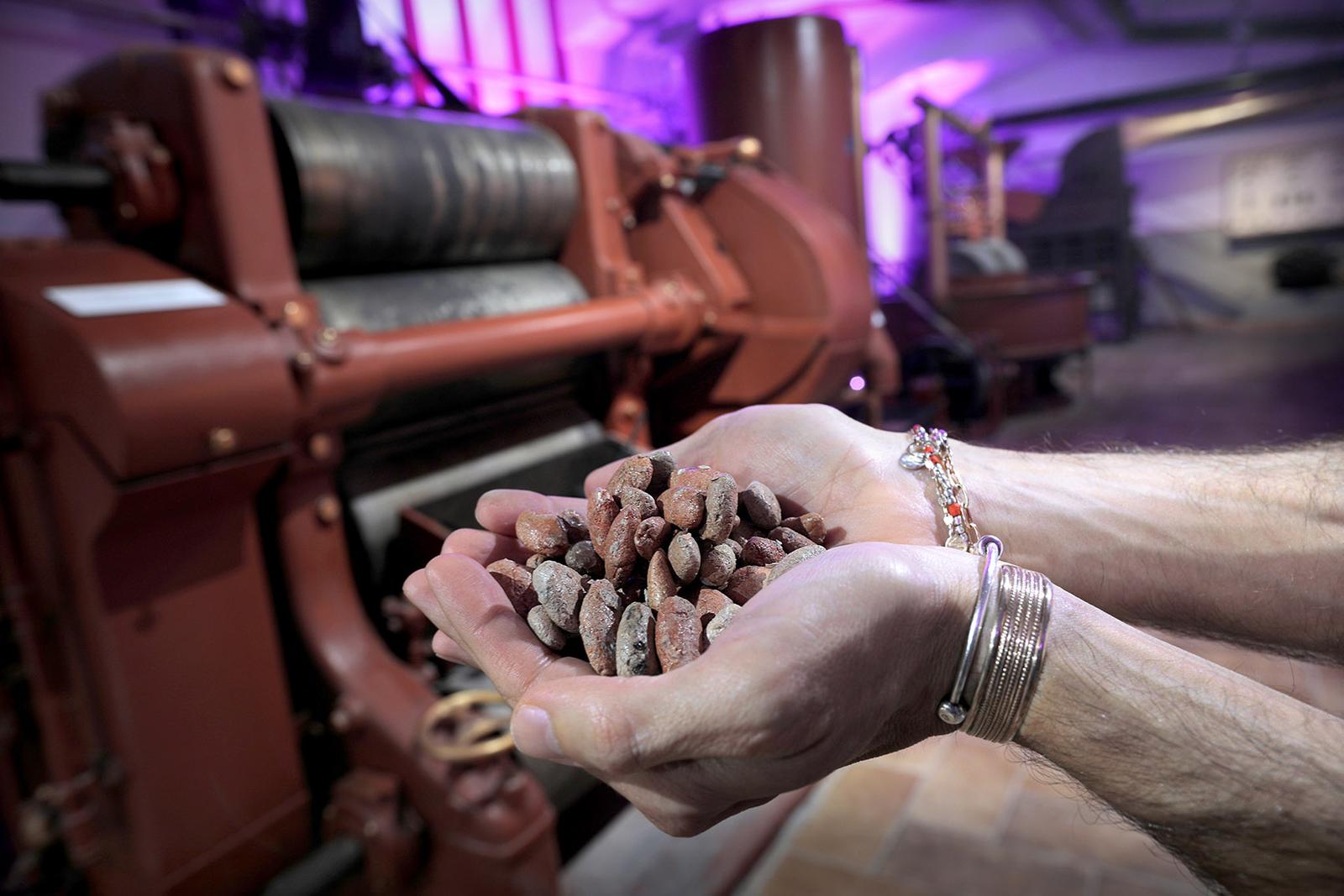
Here the tastings also make room for history. A few steps from Porta Nuova, in the underground spaces of the historic Pfatisch pastry shop, you enter Choco-Story Torino, Museum of Chocolate and Gianduja.
Read more
Over seven hundred objects and interactive installations follow cocoa from the pre-Columbian civilisations to the spread of chocolate in Europe, up to the Turin tradition, showing how processing and production methods have changed. There is also room for the history of gianduja and of Piedmontese specialities, with tasting experiences and chocolate-making workshops by reservation.
Allow more time than for a shop: it is a proper museum itinerary. At the end you can stop at the Pfatisch pastry shop, connected to the museum.
-
 Davide Appendino
Cioccolateria Davide Appendino
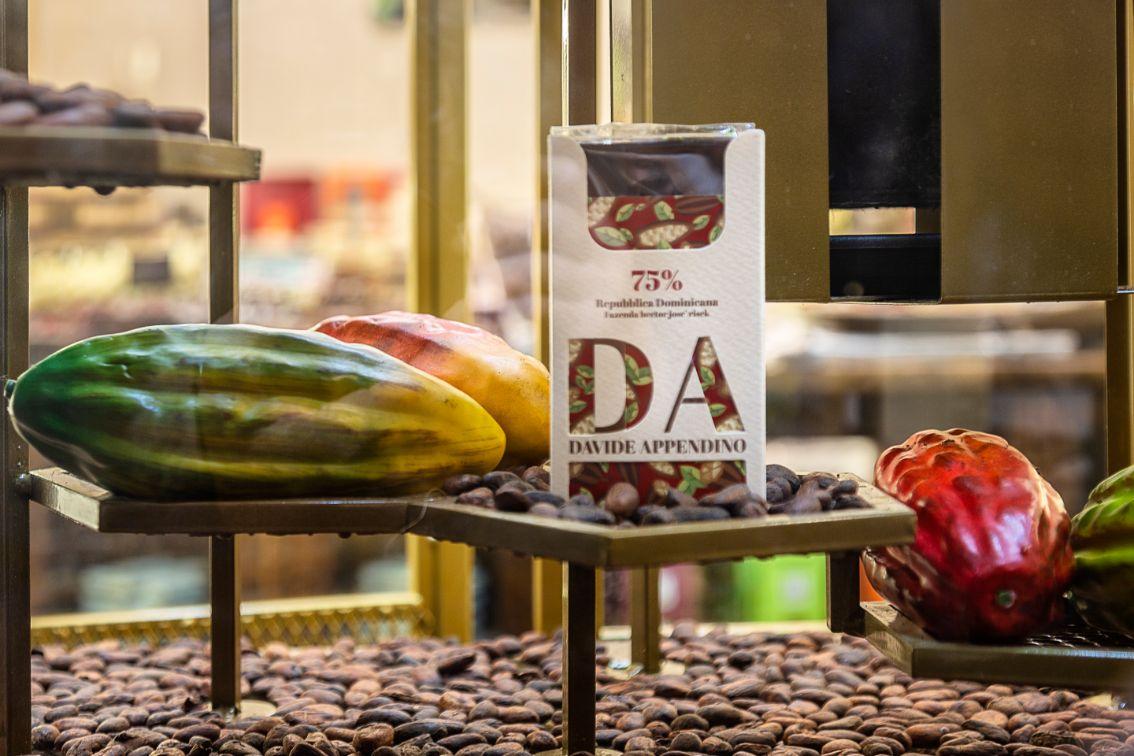
Here the interesting comparison is not only between gianduiotti and cremini, but between chocolates made from beans of different origins. Davide Appendino, who grew up in a family of pastry chefs, chose in 2010 to devote himself to chocolate making, and in his shop in via Cavour he sets the Piedmont tradition alongside research on cocoa.
Read more
Besides pralines, truffles and dark chocolate buttons, you will find single-origin bars made starting from the beans, following the «bean to bar» process. The beans are stone-ground and, in the dark bars of this line, the ingredients are essentially cocoa and raw cane sugar. If the aromas intrigue you, comparing different origins here makes real sense.
-
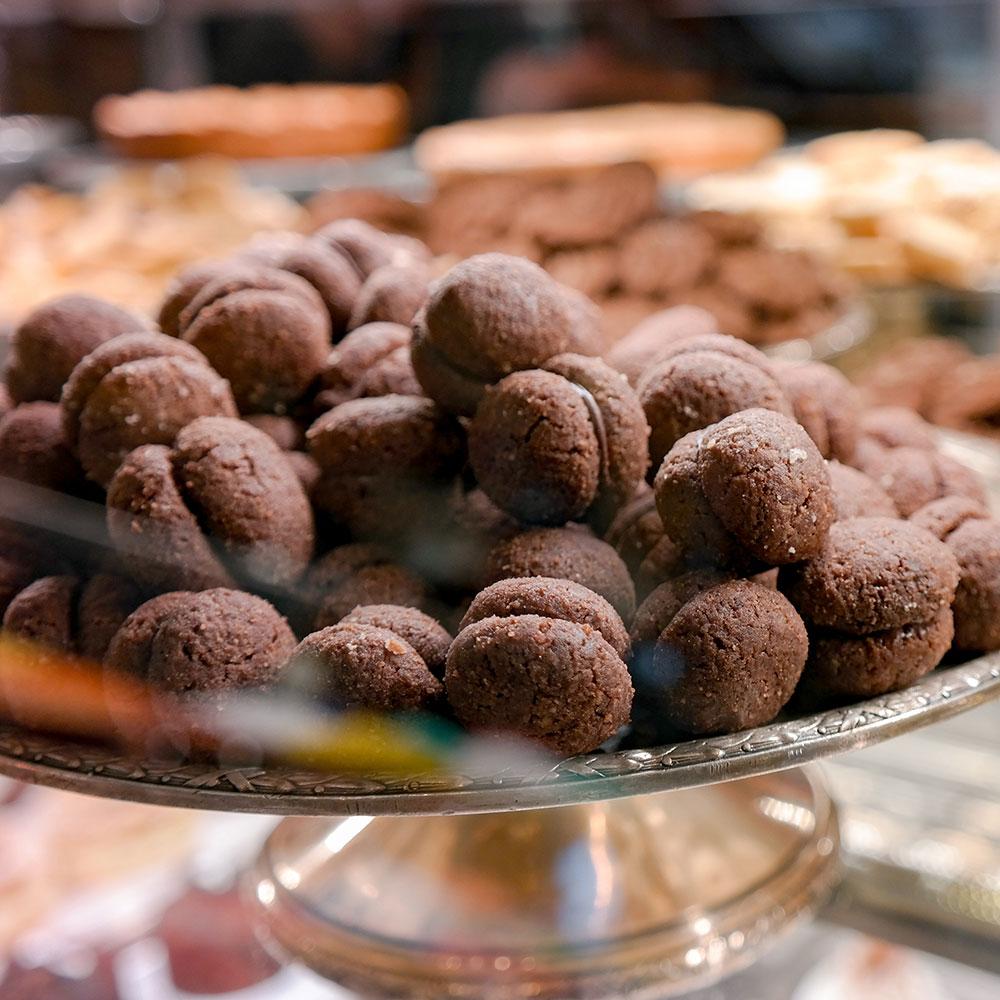 Stratta
Caffè Confetteria Stratta
Even before you step into Stratta, there is the sign with its gilded details. Then come the display windows, the carved wood, the mirrors, the stuccoes and the glass chandeliers: the taste of nineteenth-century confectioners' shops is still there.
Read more
The shop opened in piazza San Carlo in 1836, when the firm Reina e Stratta started its pastry and confectionery business. In 1858 the management passed to the Stratta brothers.
Having become a point of reference for Turin's bourgeoisie and nobility, the shop also obtained recognition as supplier to the Royal Household. Among the products you will find cakes, chocolate, sweets, sugared almonds and other specialities of the city's tradition.
Here the memory of Cavour has also become a chocolate. The «Gioie di Cavour», dedicated to the Piedmontese statesman, in the traditional version have milk or dark chocolate, a heart of gianduja cream and a coating of chopped toasted hazelnuts.
Alongside these you will find other chocolate and confectionery preparations, including marrons glacés. At Stratta, Turin's confectionery tradition is found above all in the display windows, rather than in the cups of the historic cafés.
-
Guido Castagna
Cioccolateria Guido Castagna
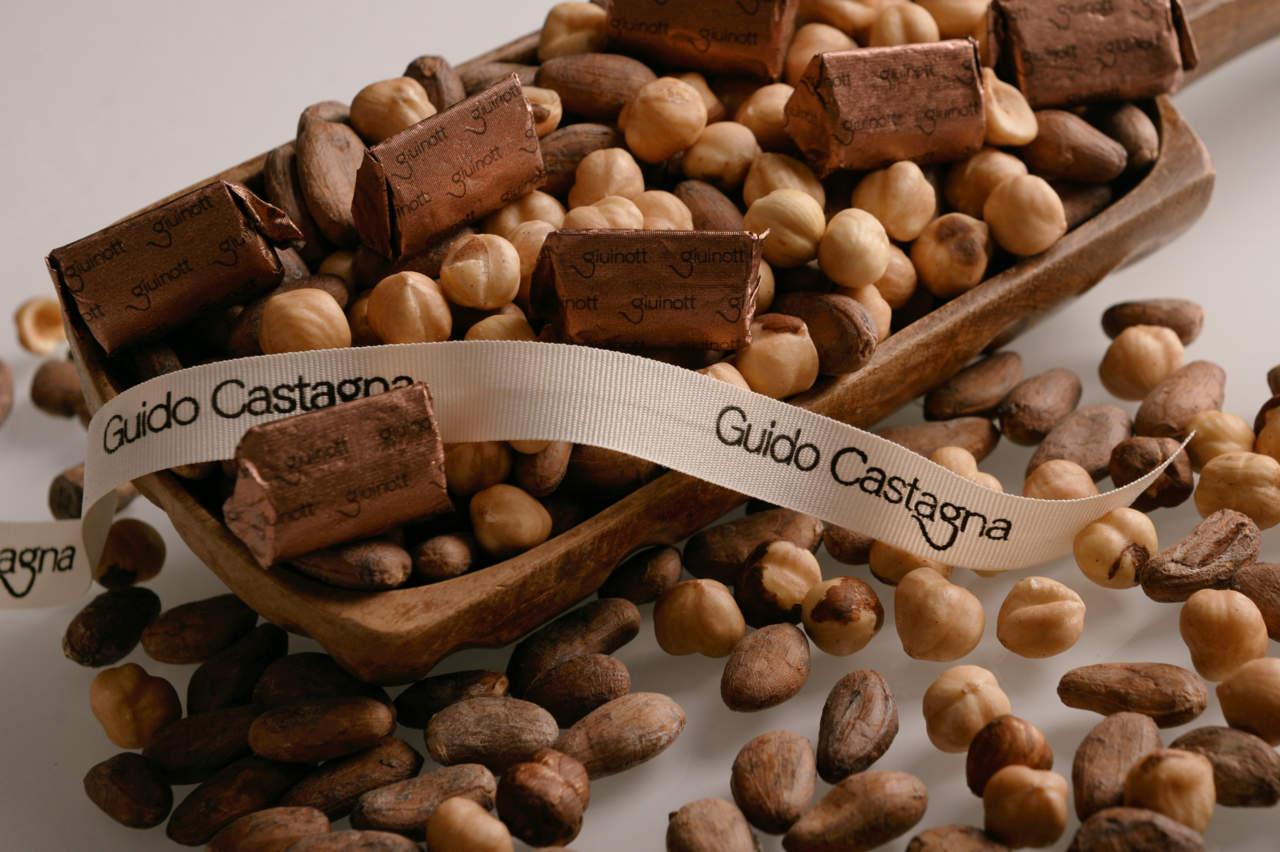
The Giuinott weighs seven grams. It is Guido Castagna's reinterpretation of the gianduiotto, made with Piedmont hazelnuts and selected cocoa, and it has won seven gold awards at the International Chocolate Awards.
Read more
Castagna has developed a production system called «Metodo Naturale», which starts with the selection of the beans and takes into account both the origin of the cocoa and the working conditions of the growers. The cocoa is bought through cooperatives; the beans intended for processing are selected by hand.
The workshop is in Giaveno, but you do not need to go that far to get to know these products: in the shop in via Maria Vittoria you can taste Giuinott, bars and other cocoa-based creations.
-
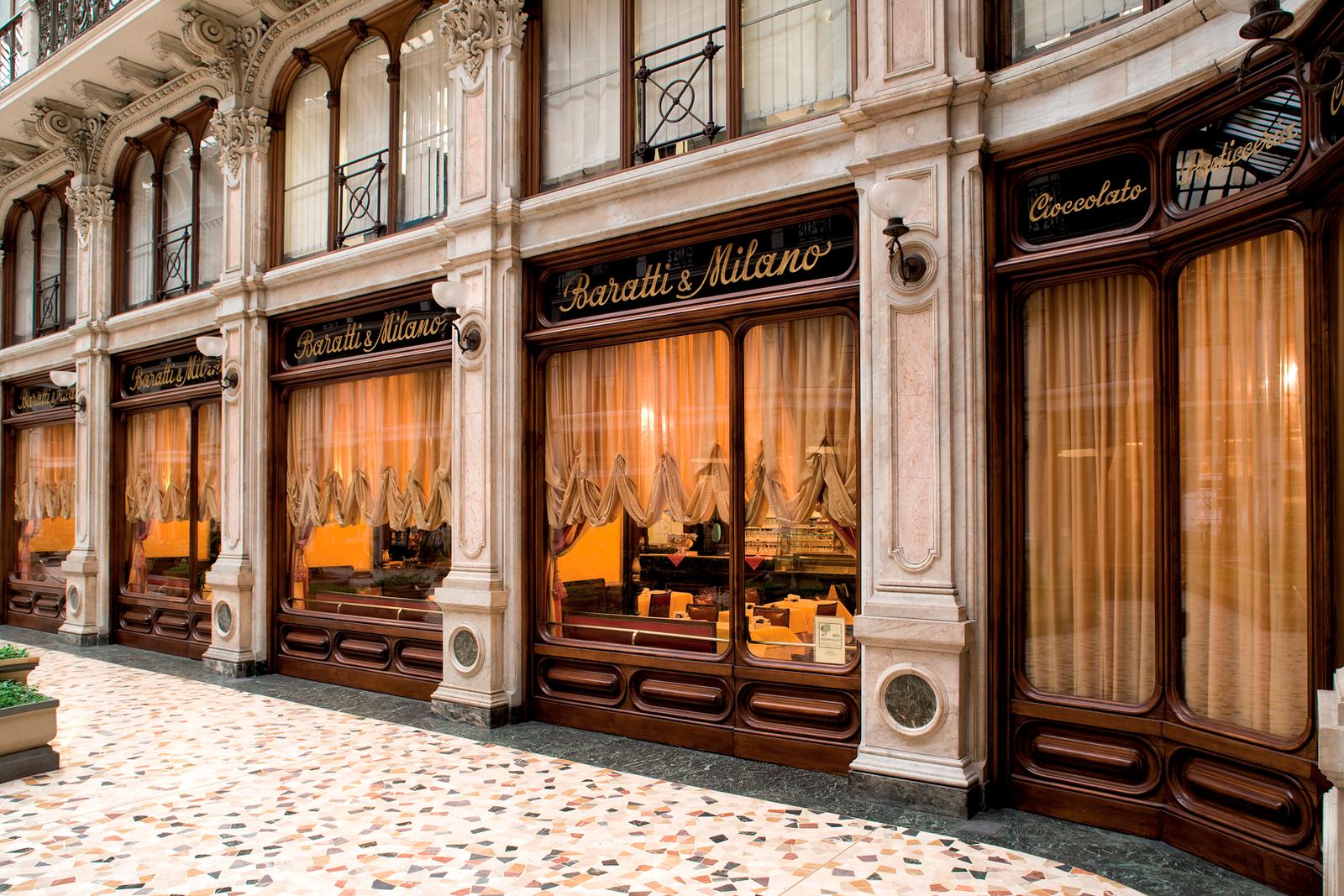 Caffè Baratti & Milano
At the entrance to the Galleria Subalpina, on the corner of piazza Castello, Baratti & Milano invites you to look around even before ordering: marble, mirrors, inlaid woods, bronzes and gilded stucco. On the façade facing the square, too, there are bronze reliefs worth a look.
Read more
Behind that name are Ferdinando Baratti and Edoardo Milano, two confectioners from the Canavese who opened the business in 1858 in via Dora Grossa, today via Garibaldi, and moved here in 1875.
The café became a supplier to the Royal Household and a meeting place for Turin society. Part of the decoration dates from the extension completed in 1911, to a design by Giulio Casanova with the collaboration of the sculptor Edoardo Rubino.
Before the café in the Galleria Subalpina there was the confectionery workshop: the business began there, and only later came the present premises. That tradition continues in the production of chocolate and confectionery.
We would gladly stop for a hot chocolate, but even looking at the range of chocolates, pralines and other specialities tells the story of the passage from sweet shops to the grand cafés and confectioners.
-
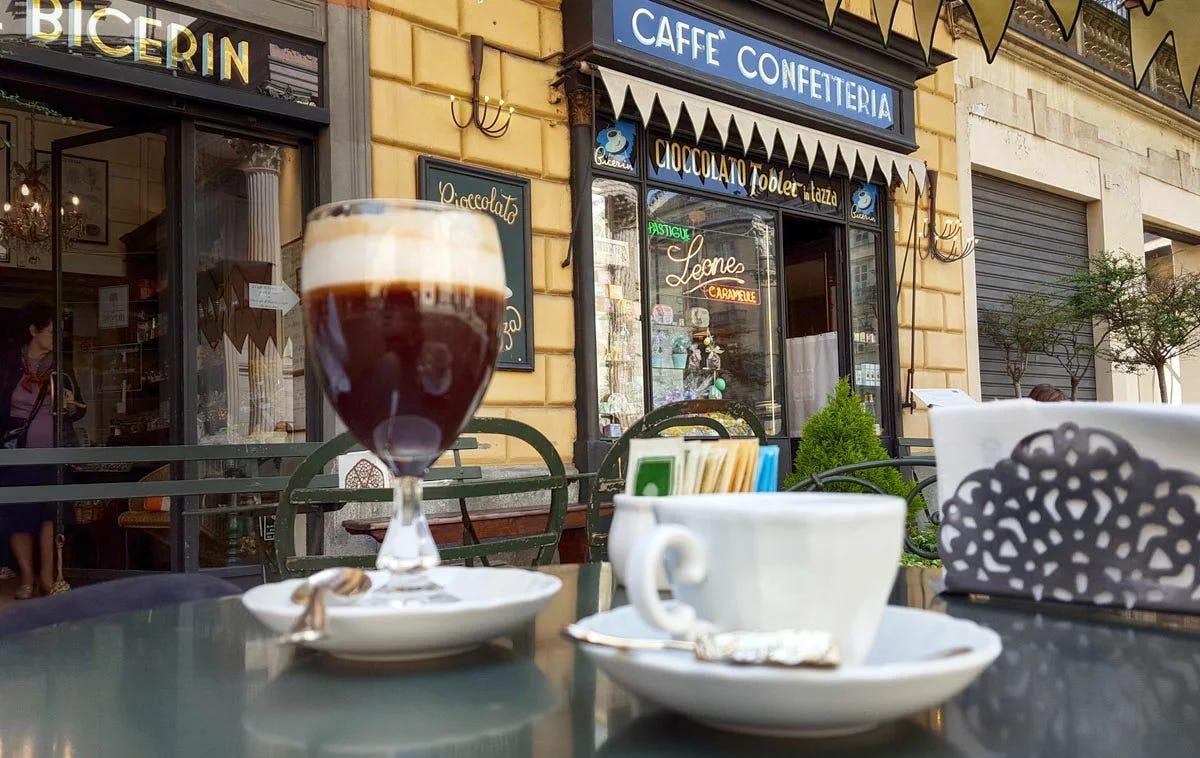 The bicerin
Caffè confetteria Al Bicerin
A small room, white marble tables, mirrors, wood and the counter: stepping into Al Bicerin feels like finding yourself in a nineteenth-century chocolate house. You are in piazza della Consolata, in front of the sanctuary, in the Quadrilatero Romano. Giuseppe Dentis opened the café here in 1763.
Read more
The name comes from «bicerin», «little glass» in Piedmontese: coffee, chocolate and milk cream in a hot, non-alcoholic drink served in transparent glasses.
The premises have kept their intimate size, and the relationship with the square and the sanctuary can be felt even from inside. The historic furnishings still make it possible to understand how the old Turin chocolate houses were organised.
The bicerin has an eighteenth-century ancestor: the bavareisa, prepared with similar ingredients but served in larger glasses. The Turin version, instead, comes in a small transparent glass that lets you distinguish the layers of coffee, chocolate and milk cream.
If you love chocolate drinks, this may be the right stop to taste a speciality that has kept its place in the city's confectionery tradition.
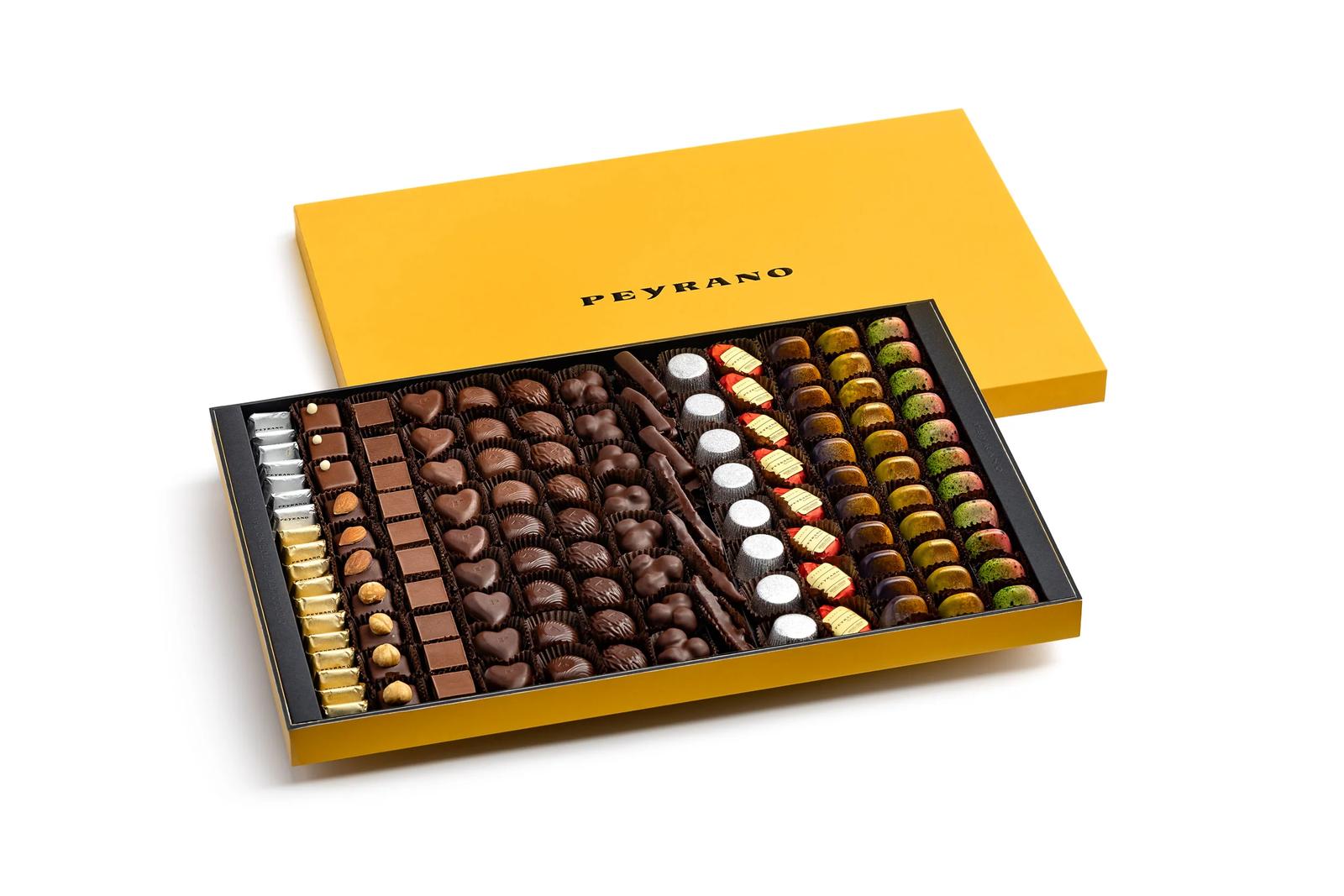
The route
The map loads after consent to third-party content (OpenStreetMap).
These are the essential stops, but there is much more
When you book your stay with us you receive the complete step-by-step itinerary, a practical box with directions to get there and back, tips on what to see and a final treat to round off the themed day.